

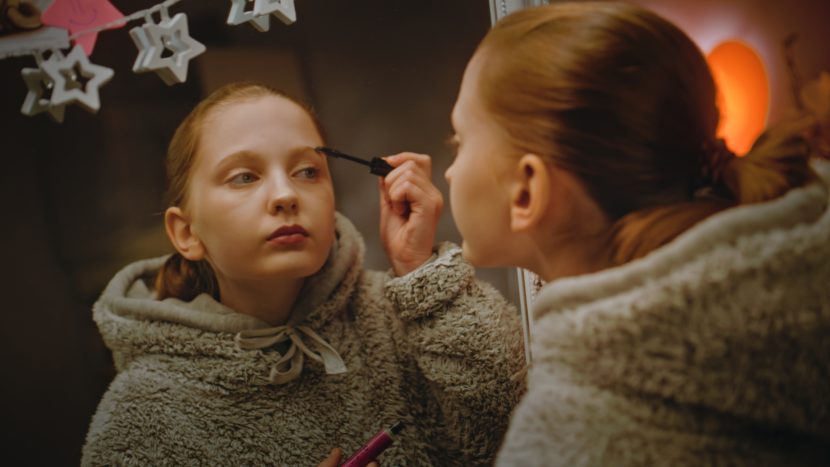
The “Sephora Kids” trend, where children, especially tweens and teens, are increasingly using makeup and skincare products marketed by beauty retailers, presents several risks, not only for the physical health of children but also for their mental health. While these products may support self-expression and routines of self-care, their safety and efficacy for young users are largely unverified. More efforts need to be made by businesses and parents to ensure the promotion of their health and well-being.
Understanding the “Sephora kids” phenomenon
They are known as the “Sephora kids”, and it’s the latest trend taking over both online and offline spaces among teenagers around the world, with some children starting as young as eight years old. The trend is driven by skincare content produced by beauty influencers, many of whom are tweens and teens themselves.
These same social media posts, many of which have gone viral, point out that Gen Alpha (those born from around 2010 into the mid-2020s) are busy buying products containing ingredients such as retinol, harsh exfoliating acids or pricey moisturisers, toners and serums designed to minimise the effects of ageing (Taylor, 2024).
This new phenomenon takes advantage of the vulnerabilities of preteens as they struggle to build their identities during a time of major physical and mental change. Through social media as well, it shapes their behaviours and habits, leaving visible marks on their skin and more subtle, lasting effects on how they perceive themselves.
The hidden risks of cosmetics for skin health
Skincare experts welcome the fact that kids as young as eight years old appear increasingly interested in taking care of their skin. At the same time, they are concerned that these young consumers may be doing so in risky ways, overlooking the potential negative effects of cosmetic products.
The misuse of these products is due to the fact that teenagers usually don’t consult a dermatologist but instead rely on social media for guidance. As a result, they end up using cosmetics intended for adult skin, which are causing them unnecessary damage such as rashes, skin redness, irritation, allergic reactions, dermatitis, heightened sun sensitivity and even skin burns (Bolen, 2025).
“It’s surprising how many adolescents have introduced numerous products into their daily routines… They come in with irritative dermatitis caused by high concentrations of active ingredients—such as retinol or alpha hydroxy acids, which they don’t know how to use—or from excess comedogenic products and makeup. This makes their acne worse.”
— Elia Roó, Dermatologist, Spanish Academy of Dermatology and Venereology (Bisbal Delgado, 2024)
According to the first peer-reviewed study on the phenomenon, published by Northwestern University, skincare routines posted by teens and tweens on TikTok contained an average of 11 potentially irritating active ingredients per routine, which risked causing acute reactions and triggering lifelong allergies (Marriott, 2025).
However, it should be noted that many of the common ingredients in cosmeceutical products have had very limited studies conducted in paediatric populations, and much of the data regarding the efficacy claims and risks of these products must be inferred from studies in adult patients (Goff & Stein, 2025).
How digital culture shapes children’s beauty habits
Brands are marketing to tweens in multiple ways. In particular, there’s a proliferation of social media marketing aimed at young consumers. That includes witnessing a growing number of tweens, often “skinfluencers“, demonstrating how to use such products for their followers. This is happening at a time when tweens have been spending increased amounts of time on social media since being cooped up during the pandemic (Taylor, 2024).
Tweens are among the biggest consumers of some social media platforms. All that social media time is, in turn, exposing these young users to influencers paid by brands to use and promote beauty and skincare products. Increasingly sophisticated algorithms also feed this exposure, serving users recommendations about beauty tips and influencers after just a few searches on the topic (Taylor, 2024).
The inundation of paid influencers who talk about “my back-to-school lip balm” and post “get ready with me” videos encourages children to mimic their behaviour as a “developmentally appropriate way to fit in”. According to Dr Meghan Owenz, a clinical associate professor at Florida International University and therapist specialising in parenting and anxiety, the model promoted through social media is that it is unreachable for the kids, financially, physically or otherwise (Marriott, 2025).
Cosmeticorexia and its impact on young girls’ mental health
Adolescence is a time of deep change and challenge, during which the body and the mind undergo significant transformation. This period will determine how a person will view and interact with the world as an adult. For teenagers, it is important to have the resources, guidance, and knowledge to make the right choices.
In a digital world, tweens and teens can also be influenced by what they see other adolescents doing online. This is one of the reasons why teenagers recommend cosmetics, creams and makeup to an audience of girls as young as 10, especially on TikTok. This situation has created a new mental health disorder in pubescent girls: “cosmeticorexia”. It is defined as the excessive interest in the use of cosmetics and facial care products, which are often harmful to young skin (Bisbal Delgado, 2024).
Children are experiencing a tremendous amount of pressure without having the tools or protections needed to cope with it in a healthy way. This situation becomes even more concerning when teens themselves turn into influencers, particularly when they accumulate large numbers of followers on their networks. They find themselves trapped in a virtual world, where they lose not only their childhood but also control over themselves.
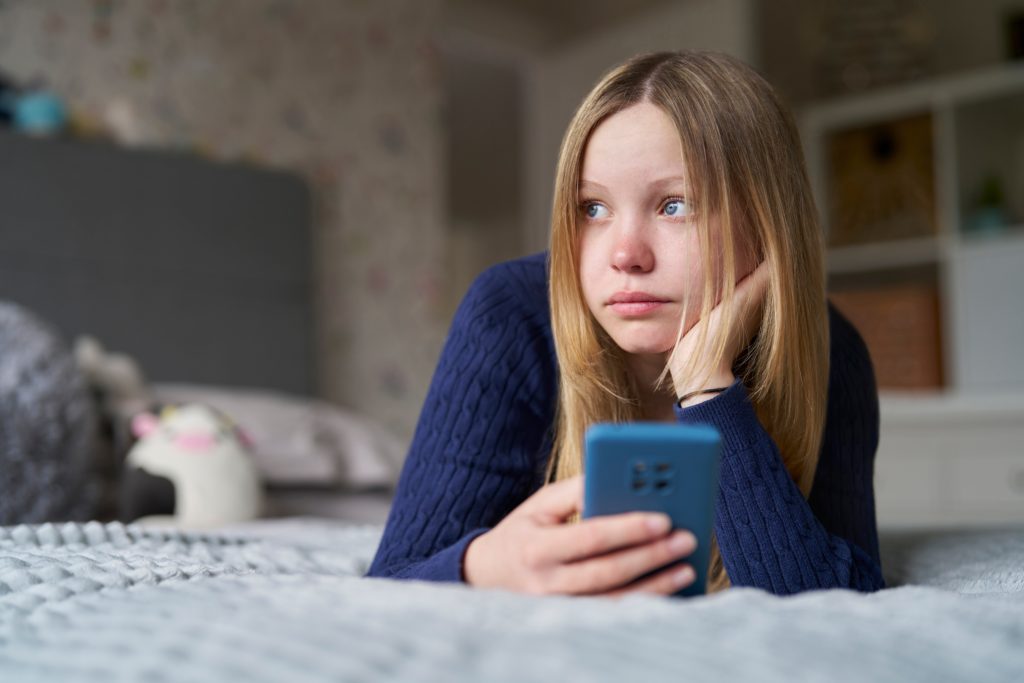
These situations are the beginnings of anxiety problems, which could lead to other additional problems, such as possible eating disorders, or even school abstention, since the girls and teens prioritise making their videos before any other academic or family activity (Bisbal Delgado, 2024).
How companies are targeting younger consumers
Companies are adapting to a new market segment also by developing products aimed not only at tweens but also at even younger children. For instance, some brands have launched make-up and skincare products for customers who are aged 3+, others have positioned themselves as the “new school skincare” offering acne and skin-texture products, while still others have introduced lines designed for tweens and teens, but which can be used by children as young as 8 (Taylor, 2024).
And it is not just the cosmetics-specific stores that are adjusting. Major US retailers have redesigned their spaces in recent years to place beauty products at the centre of children’s lives. These include cosmetics actively marketed to children through cross-branding with beloved books or television shows. Often, these general pharmacy stores are where kids have their first shopping experiences with their parents, long before they are old enough to visit Sephora on their own (Taylor, 2024).
Companies are also adapting their communication. Some brands have also created an online FAQ section addressing younger customers asking, “Can the product be used by children?”. The response begins, “Yes, however, not every product in our line should be used by younger fans, 12 and under. In general, we do not recommend using products containing high concentrations of active ingredients, which address concerns that aren’t present at such an age”, and goes on to urge parental supervision (Kavilanz, 2024).
When financial gain comes at the expense of young consumers
Many companies in the beauty and skincare industry are targeting ever younger customers and raking in massive sales as a result. Data from Statista shows that the baby and child skincare market is expected to experience an annual growth rate of about 7.71% until 2028, reaching $380m (£299m) in market volume worldwide. Meanwhile, the number of product users is expected to reach 160.7 million worldwide by the same year (Taylor, 2024).
Companies are also making money from online purchases. For instance, one California-based cosmetics brand’s stock price has surged 203% over 2023, and those soaring stock prices are a direct result of its enormous sales growth, thanks to its positioning as a provider of “affordable cosmetics”. Their marketing efforts are all targeted toward that tween demographic (Taylor, 2024).
Receipt-based checkout data revealed that spending on higher-priced beauty products (including skincare) among higher-income households (above $100,000) grew by 16% with children under 18 years of age, significantly higher than the 6% increase in households without children (Kavilanz, 2024).
Companies are therefore not only profiting from children but are also taking advantage of their vulnerabilities, generating wealth without taking adequate measures to protect them and providing clear information on the risks of the use of products which are not aimed at tweens and teens. While it is normal for companies to seek growth by opening to new market segments, including younger consumers, these new opportunities for companies should not come at the expense of young consumers’ physical and mental health.
Solutions and recommendations for protecting young consumers
To address the “Sephora Kids” trend and ensure that tweens and teens are supported and protected as consumers, it is essential to adopt a comprehensive approach that recognises the role of each part of society in safeguarding children.
Beauty companies
In many countries, cosmetic labels typically provide long ingredient lists and only minimal safety warnings, and there is generally no requirement for age-specific warnings or clear guidance for young users. Even when warnings are present, they are usually written for adults and do not clearly flag the specific risks of strong active ingredients for children and adolescents. One potential solution could be the introduction of legislation prohibiting the sale of products containing ingredients such as retinol or glycolic acid to children under 18. Such measures would ensure that companies take responsibility for the safety of young consumers.
Parents
Limiting technology use, encouraging a healthy self-image, discouraging children from seeking to belong prematurely to the adult world, educating them about media literacy, and promoting leisure activities beyond screen time are all strategies parents can employ to prevent “cosmeticorexia”. Parents might also consider consulting psychological professionals to help their children learn to appreciate themselves as they are, reduce dependence on social media validation, and cultivate humour, intelligence, and strong familial and social relationships.
Society at large
Standards of beauty evolve over time and vary according to cultural and geographic context. Developing a critical understanding of emerging trends and promoting a positive perception of one’s body, without excessive reliance on cosmetic products, contributes to a healthier societal narrative around beauty. This critical perspective can be encouraged through careful selection and discussion of social media content, as well as through conversations with peers and family.

In this sense, Humanium is on the frontline in promoting a reflective approach aimed at looking at the opportunities and the challenges which affect children around the world and contributing to gathering best practices to better respond to this evolving context. If you want to contribute to our cause, consider making a donation, volunteering or becoming a member.
Written by Arianna Braga
References:
Bisbal Delgado, C. (2024). How to prevent cosmetic addiction in minors: limit the use of technology and build up their self-esteem. Retrieved from El País at https://english.elpais.com/lifestyle/2024-09-08/how-to-prevent-cosmetic-addiction-in-minors-limit-the-use-of-technology-and-build-up-their-self-esteem.html, accessed on 9 November 2025.
Bolen, R. et al. (2025). Dermatological Safety of Cosmetic Products Marketed to Children: Insights on the Sephora Kids Phenomenon. Journal of drugs in dermatology: JDD, 24(9), 949–951. Retrieved from the National Library of Medicine at https://doi.org/10.36849/jdd.8800, accessed on 9 November 2025.
Goff, G. K., & Stein, S. L. (2025). Cosmeceuticals in the Pediatric Population Part I: A Review of Risks and Available Evidence. Pediatric Dermatology, 42(2), 221-227. Retrieved from Wiley Online Library at https://onlinelibrary.wiley.com/doi/10.1111/pde.15866, accessed on 9 November 2025.
Kavilanz, P. (2024). The ‘Sephora Kid’ trend shows tweens are psyched about skincare — but their overzealous approach is raising concerns. Retrieved from CNN Business at https://edition.cnn.com/2024/03/12/business/sephora-kid-tweens-skincare-obsession, accessed on 9 November 2025.
Marriott, H. (2025). Sephora workers on the rise of chaotic child shoppers: ‘She looked 10 years old and her skin was burning’. Retrieved The Guardian at https://www.theguardian.com/society/2025/sep/17/sephora-workers-child-skin-care, accessed on 9 November 2025.
Taylor, M. (2024). ‘Sephora kids’ and the booming business of beauty products for children. Retrieved from the BBC at https://www.bbc.com/worklife/article/20240119-sephora-kids-and-the-booming-business-of-beauty-products-for-children, accessed on 9 November 2025.