
Realizing Children’s Rights in Liechtenstein


Liechtenstein is one of Europe’s wealthiest countries, and most children grow up with access to education, healthcare, and social support. Children benefit from compulsory education, public healthcare and legal protection under national law. However, some children are exposed to violence, mental distress, or legal uncertainty linked to asylum and migration, highlighting areas where child protection can be strengthened.
Population: 40,245
Population aged 0-14: 14%
Life expectancy: 84.7 years
Under-5 mortality rate: 5.4‰
Liechtenstein at a glance
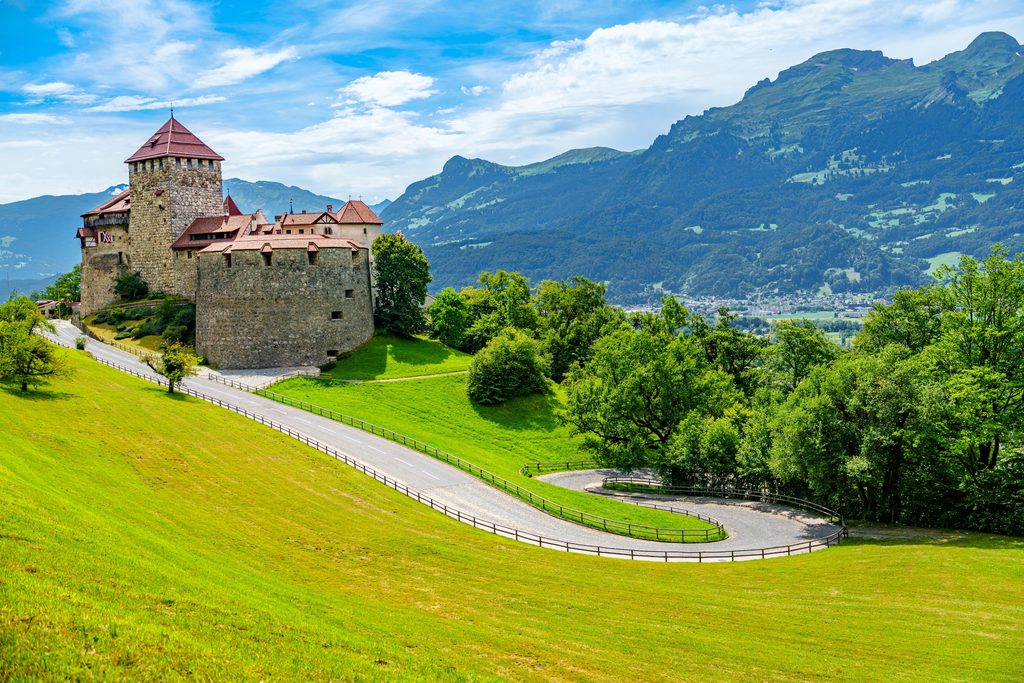
Liechtenstein (Fuerstentum Liechtenstein) is a small country in Western Europe, situated between Switzerland and Austria. It has a population of just over 40,000 people and its political and administrative center is Vaduz. The country is governed as a constitutional monarchy, with a hereditary prince as head of state and an elected parliament that represents the population (Britannica, 2025).
The country has limited natural resources and depends on imports for most raw materials. Its economy is supported by small-scale manufacturing, financial services and tourism, with close economic ties to Switzerland. The Swiss franc is used as the national currency, and the country maintains a customs union with Switzerland (Britannica, 2025).
Religion plays an important role in public life in Liechtenstein. The constitution guarantees freedom of belief while designating Roman Catholicism as the state religion. Most of the population identifies as Roman Catholic, followed by smaller Protestant and Muslim communities, as well as people with no religious affiliation (U.S. Department of State, 2022).
Status of children’s rights[1]
Children in Liechtenstein are entitled to the same human rights as adults, while also benefiting from specific protections linked to their age and vulnerability. These include the right to grow up in a safe and healthy environment, to develop properly, and to be listened to in matters that concern them. These principles are set out in the Convention on the Rights of the Child (CRC), which Liechtenstein ratified in 1995 (Association for Human Rights in Liechtenstein (VMR), n.d.).
In addition to the CRC, the country ratified the Optional Protocol on the involvement of children in armed conflict in 2005 and the Optional Protocol on the sale of children, child prostitution and child pornography in 2013. Liechtenstein further accepted the Optional Protocol to the CRC on a communications procedure in 2017, allowing individual complaints to be submitted at the international level (OHCHR, n.d.).
Children’s rights are also set out in national law. The CRC is explicitly referenced in the Children and Youth Act, which defines how children are to be protected, supported and involved in society. The Office of Social Services is responsible for putting these rights into practice and oversees areas such as child and youth welfare, child protection and family support (Liechtenstein National Administration, n.d.).
At the national level, the Children and Youth Advisory Board represents the interests of children and young people and has the right to be consulted on political decisions that affect them. In addition, the Ombuds Office for Children and Young People acts as an independent monitoring body and a confidential contact and complaints office for children. (Liechtenstein National Administration, n.d.).
Addressing the needs of children
Right to education
Education in Liechtenstein is strongly influenced by the school systems of German-speaking countries, particularly Switzerland. Schooling is free and compulsory for children between the ages of 6 and 15, and German is the language of instruction. Most children attend kindergarten from the age of four before moving on to five years of primary education (Liechtenstein National Administration, n.d.).
Lower secondary education lasts four years and is divided into three school tracks:
- The lower secondary school (Oberschule)
- The intermediate secondary school (Realschule)
- The upper secondary school (Gymnasium).
General education is provided through the Gymnasium, which leads to the Matura and grants access to higher education. Vocational education follows a dual system that combines practical training in companies with classroom-based instruction. While apprenticeships take place in Liechtenstein, vocational schooling is generally completed in Switzerland (AACRAO EDGE, n.d.).
Liechtenstein supports equal access to education through early language support, special education services, and targeted assistance for children whose first language is not German (Liechtenstein National Administration, n.d.).
Right to health
Children in Liechtenstein have access to healthcare through the country’s public health insurance system. Medical care is overseen by the Office of Public Health, which is responsible for health services and coverage. Children can consult doctors who work under the public health scheme, and these consultations are covered by insurance, meaning families do not pay costs directly for basic medical care (European Commission, n.d.).
Hospital care is provided through the country’s single hospital, with admission generally approved by the Office of Public Health, except in emergency situations. Emergency medical services are available nationwide, and ambulance transport to approved healthcare facilities is covered. Medicines that are included in the public healthcare system are provided free of charge (European Commission, n.d.).
Liechtenstein also cooperates closely with neighboring countries to ensure access to healthcare services. Through participation in the European Health Insurance Card system, insured individuals, including children, can receive necessary medical treatment when staying temporarily in other European countries under the same conditions as residents of those countries (European Commission, n.d.).
Right to identity
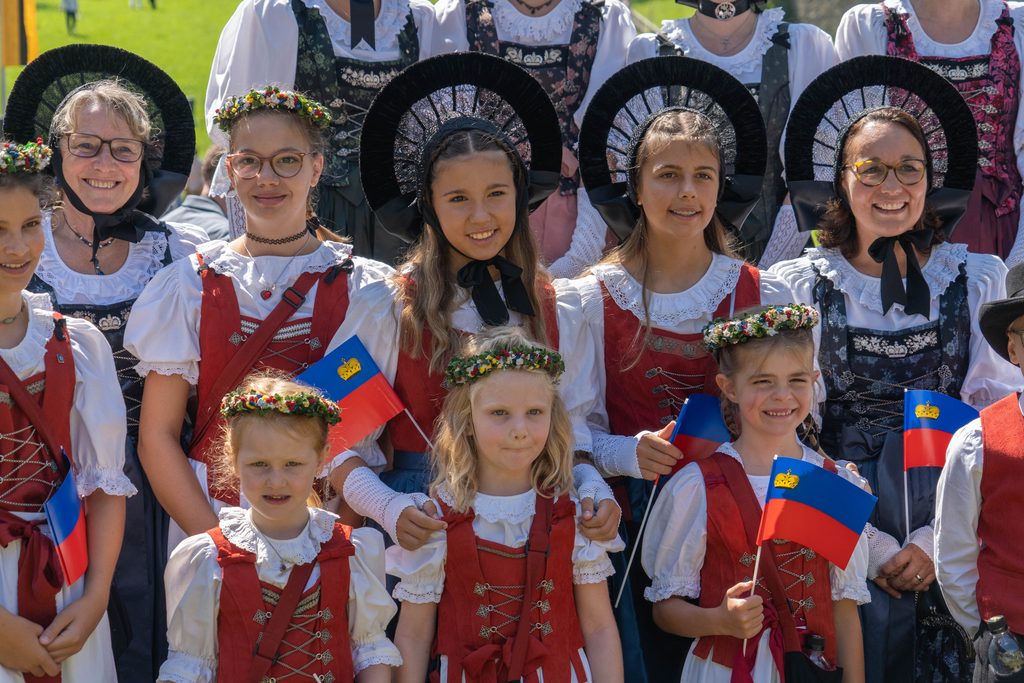
Every child in Liechtenstein has the right to a legal identity, including nationality and official recognition under the law. Children born to a Liechtenstein mother or father automatically acquire Liechtenstein citizenship at birth. Adopted children also acquire Liechtenstein citizenship immediately at the time of adoption if the child is under the age of 10 (Liechtenstein National Administration, n.d; Consortium for Street Children, n.d.).
The country has laws to prevent statelessness. Children found in the country whose parents cannot be identified are presumed to be citizens (UNHCR Liechtenstein, n.d.). For stateless children born in the country, the law provides a path to citizenship: they can apply after living there for at least five years, as long as they are younger than 21 years old and have been stateless since birth (UNHCR Liechtenstein, n.d.)
Other children who have lived in Liechtenstein for an extended period may also apply for citizenship after 30 years of residence. However, years lived before age 20 count as double toward this requirement. This means a child who has lived in Liechtenstein since birth could apply for citizenship at age 15 (SovSpot, 2022).
These provisions are important because without citizenship, children cannot access education, healthcare, and legal protection in the same way as citizens. They may be unable to obtain identity documents like birth certificates or passports, which can leave them at risk of exploitation and unable to travel or prove who they are.
Risk factors → Country-specific challenges
Child abuse
In 2024, the police received 195 reports related to domestic violence or serious family conflicts. Based on the current definition, 51 cases of domestic violence were officially recorded (Association for Human Rights in Liechtenstein (VMR), 2024b).
In 2024, the Liechtenstein Women’s Shelter provided accommodation to 19 women and 23 children, an increase from 17 women and 15 children in the previous year. The total number of occupancy days also rose sharply, indicating a higher demand for shelter services (Association for Human Rights in Liechtenstein (VMR), 2024b).
Victim support services reported 56 new counseling cases in 2024. These included cases of domestic violence and sexual violence against minors. Although the numbers appear low, experts assume that many cases are never reported because victims feel fear, shame or dependence on the person causing harm (Association for Human Rights in Liechtenstein (VMR), 2024b).
Liechtenstein strengthened legal protection for children against sexual abuse with amendments to the Criminal Code that entered into force on 1 March 2023. The reforms increased mandatory minimum sentences: the minimum penalty for sexual abuse of minors was raised from six months to one year, and for serious sexual abuse from one to two years.
In cases of serious sexual abuse, courts may no longer grant conditional remission (suspended sentences), requiring offenders to serve custodial sentences. The amendments also tightened penalties for child sexual abuse material: possession is punishable by up to three years’ imprisonment, while production or distribution involving serious violence can carry sentences of up to fifteen years (Association for Human Rights in Liechtenstein (VMR), 2024c).
Displaced children
Liechtenstein receives a very small number of asylum applications each year, including claims involving children. According to the most recent available data, 50 asylum applications were registered in 2024. The main countries of origin in recent years include Iraq, Albania, and Somalia (World Data, 2025).
Asylum seekers, including children, are initially accommodated in reception facilities commissioned by the State and operated by the Liechtenstein Refugee Council. Free legal advice is provided to all asylum seekers following the first-instance decision, in accordance with national asylum legislation (UNHCR, 2018).
While administrative detention of juveniles aged between 15 and 18 is permitted under immigration law for a maximum period of three months, the authorities report that no persons under the age of 18 have ever been placed in administrative detention in practice (UNHCR, 2018).
Some asylum-seeking families in Liechtenstein are granted provisional admission, a temporary status given when deportation is not possible, but refugee status is not recognized. Children whose parents live under provisional admission often grow up in a situation of legal uncertainty. According to UNHCR, provisional admission must be renewed annually and provides fewer rights than those granted to recognized refugees, notably concerning family reunification and social allowances (UNHCR, 2018).
Suicide of children
Suicide among young people is a serious concern in Liechtenstein. A 2021 study by Unisanté, commissioned by UNICEF Switzerland and Liechtenstein, surveyed 1,097 young people aged 14 to 19. The findings were alarming: 37% reported mental health problems, nearly half of those had experienced suicidal thoughts, and one in eleven had attempted suicide (UNICEF Switzerland and Liechtenstein, 2021).
Across Europe, suicide is the second leading cause of death among young people aged 15 to 19, after road injuries (Eurostat, 2025). The Unisanté study identified several risk factors linked to suicidal ideation and attempts, including negative childhood experiences, family hardship, and limited social support.
Seven out of ten respondents had experienced at least one adverse childhood experience, with school bullying being the most common. Almost a third of young people said they do not talk to anyone about their problems, and fewer than half seek professional help (UNICEF Switzerland and Liechtenstein, 2021).
More recent research by Heiniger et al. (2025) confirms that these mental health difficulties remain present beyond the pandemic period. The study found high levels of depression and anxiety linked to negative childhood experiences, poor physical health, and limited social support (Heiniger et al., 2025).
In response, the Liechtenstein government published a comprehensive psychiatry concept in 2024, which includes measures for children and adolescents such as expanding outpatient mental health services, improving cooperation with foreign providers, and strengthening prevention and early detection programs (VMR, 2023).
Juvenile justice

In Liechtenstein, juvenile crime levels remain relatively low, and custodial measures involving children are rare. In 2024, the national police investigated 45 juvenile suspects, mainly in cases of bodily harm, threats, and property damage, with a notable proportion of suspects below the age of criminal responsibility (Association for Human Rights in Liechtenstein (VMR), 2024a).
According to the prison administration, Liechtenstein is currently unable to guarantee detention conditions that comply with children’s rights, including in cases of pre-trial detention, which has led to the use of detention abroad, primarily on the basis of an agreement with Austria (Association for Human Rights in Liechtenstein (VMR), 2024a).
For children, being held abroad makes it harder to stay in contact with their families and social networks. The situation is made worse by the lack of appropriate facilities for juveniles and limited access to therapeutic support (Association for Human Rights in Liechtenstein (VMR), 2024a; OMCT, 2024).
While the detention of juveniles aged 15 and over under immigration law is legally possible, no such detention was imposed in 2024. Nevertheless, this provision has been identified as incompatible with the Convention on the Rights of the Child, and no legislative amendments have yet been adopted to address this issue (Association for Human Rights in Liechtenstein (VMR), 2024a).
Written by Lidija Misic
Last updated on December 24, 2025
References:
AACRAO EDGE (n.d.), Liechtenstein. Retrieved from AACRAO EDGE at https://www.aacrao.org/edge/country/liechtenstein, accessed on December 17, 2025.
Association for Human Rights in Liechtenstein (VMR), (2023), Mental health. Retrieved from VMR at https://www.menschenrechte.li/en/monitoring-report-2024/children-s-rights/mental-health, accessed on December 21, 2025.
Association for Human Rights in Liechtenstein (VMR) (2024a), Juvenile crime and juvenile detention. Retrieved from VMR at https://www.menschenrechte.li/en/monitoring-report-2024/children-s-rights/juvenile-delinquency-and-juvenile-detention on December 19, 2025.
Association for Human Rights in Liechtenstein (VMR) (2024b), Domestic and gender-based violence. Retrieved from VMR at https://www.menschenrechte.li/en/monitoring-report-2024/equality-between-women-and-men/domestic-and-gender-based-violence, accessed on December 21, 2025.
Association for Human Rights in Liechtenstein (VMR), (2024c), Protection from sexual abuse and violence. Retrieved from VMR at https://www.menschenrechte.li/en/monitoring-report-2024/children-s-rights/protection-from-sexual-abuse-and-violence, accessed on December 21, 2025.
Association for Human Rights in Liechtenstein (VMR), (n.d.), Children and Youth. Retrieved from VMR at https://www.menschenrechte.li/en/human-rights/children-and-youth, accessed on December 17, 2025.
Britannica (2025), Liechtenstein. Retrieved from Britannica Encyclopedia at https://www.britannica.com/place/Liechtenstein, accessed on December 17, 2025.
Consortium for Street Children (2022), Liechtenstein. Retrieved from Consortium for Street Children at https://www.streetchildren.org/legal-atlas/map/liechtenstein/legal-identity/can-a-child-apply-for-citizenship/, accessed on December 17, 2025.
Heiniger C. et al. (2025), Prevalence and factors associated with depression and anxiety in young people in Switzerland and Liechtenstein in the post pandemic context. Retrieved from Springer Nature at https://link.springer.com/article/10.1007/s44202-025-00416-6, accessed on December 21, 2025.
European Commission (n.d.), Liechtenstein – European Health Insurance Card. Retrieved from European Commission at https://employment-social-affairs.ec.europa.eu/policies-and-activities/moving-working-europe/eu-social-security-coordination/european-health-insurance-card/how-use-card/liechtenstein-european-health-insurance-card_en, accessed on December 17, 2025.
Eurostat (2025), 1 in 6 deaths of young people due to suicide in 2022. Retrieved from Eurostat at https://ec.europa.eu/eurostat/web/products-eurostat-news/w/edn-20250910-1, accessed on December 23, 2025.
Liechtenstein National Administration (2025), Children’s rights. Retrieved from the Liechtenstein National Administration at https://www.llv.li/en/national-administration/office-of-social-services/children-and-adolescents/children-s-rights, accessed on December 17, 2025.
Liechtenstein National Administration (n.d.), Education / School types. Retrieved from the Liechtenstein National Administration at https://www.llv.li/en/national-administration/office-of-education/educational-areas/education-schools, accessed on December 17, 2025.
Liechtenstein National Administration (n.d.), Naturalization. Retrieved from the Liechtenstein National Administration at https://www.llv.li/en/individuals/migration-and-integration/naturalization, accessed on December 17, 2025.
OHCHR (2010), Committee on the Rights of the Child examines report of Liechtenstein on children in armed conflict. Retrieved from OHCHR at https://www.ohchr.org/en/press-releases/2010/01/committee-rights-child-examines-report-liechtenstein-children-armed-conflict, accessed on December 19, 2025.
OHCHR (n.d.), Ratification Status for Liechtenstein. Retrieved from UN Human Rights Treaty Bodies at https://tbinternet.ohchr.org/_layouts/15/TreatyBodyExternal/Treaty.aspx?CountryID=100&Lang=en, accessed on December 17, 2025.
OMCT (2024), Liechtenstein: Concerns raised about the lack of appropriate detention facilities. Retrieved from OMCT at https://www.omct.org/en/resources/news/liechtenstein-concerns-raised-about-the-lack-of-appropriate-detention-facilities, accessed on December 19, 2025.
SovSpot (2022), Liechtenstein citizenship by descent. Retrieved from SovSpot at https://www.sovspot.com/blog/liechtenstein-citizenship-by-descent/, accessed on December 24, 2025.
UN (2025), 11. b Optional Protocol to the Convention on the Rights of the Child on the involvement of children in armed conflict. Retrieved from UN at https://treaties.un.org/Pages/ViewDetails.aspx?src=TREATY&mtdsg_no=IV-11-b&chapter=4&clang=_en, accessed on December 19, 2025.
UNHCR (2018), UNHCR Submission for the Universal Periodic Review – Liechtenstein – UPR 29th Session (2018). Retrieved from UNHCR at https://www.refworld.org/policy/upr/unhcr/2018/en/120802, accessed on December 19, 2025.
UNHCR Liechtenstein (n.d.), Liechtenstein: Statelessness. Retrieved from UNHCR Liechtenstein at https://help.unhcr.org/liechtenstein/statelessness/, accessed on December 24, 2025.
UNICEF Switzerland and Liechtenstein (2021), Youth Mental Health: Study on the situation in Switzerland and Liechtenstein. Retrieved from UNICEF at https://www.unicef.ch/en/our-work/switzerland-liechtenstein/mental-health, accessed on December 21, 2025.
U.S. Department of State (2022), 2022 Report on International Religious Freedom: Liechtenstein. Retrieved from the U.S. Department of State at https://www.state.gov/reports/2022-report-on-international-religious-freedom/liechtenstein, accessed on December 17, 2025.
World Data (2025), Asylum applications and refugees in Liechtenstein. Retrieved from World Data at https://www.worlddata.info/europe/liechtenstein/asylum.php, accessed on December 23, 2025.
[1] This article by no means purports to give a full or representative account of children’s rights in Liechtenstein; indeed, one of the many challenges is the scant updated information on children in Liechtenstein, much of which is unreliable, not representative, outdated, or simply non-existent.