
Realizing Children’s Rights in Azerbaijan
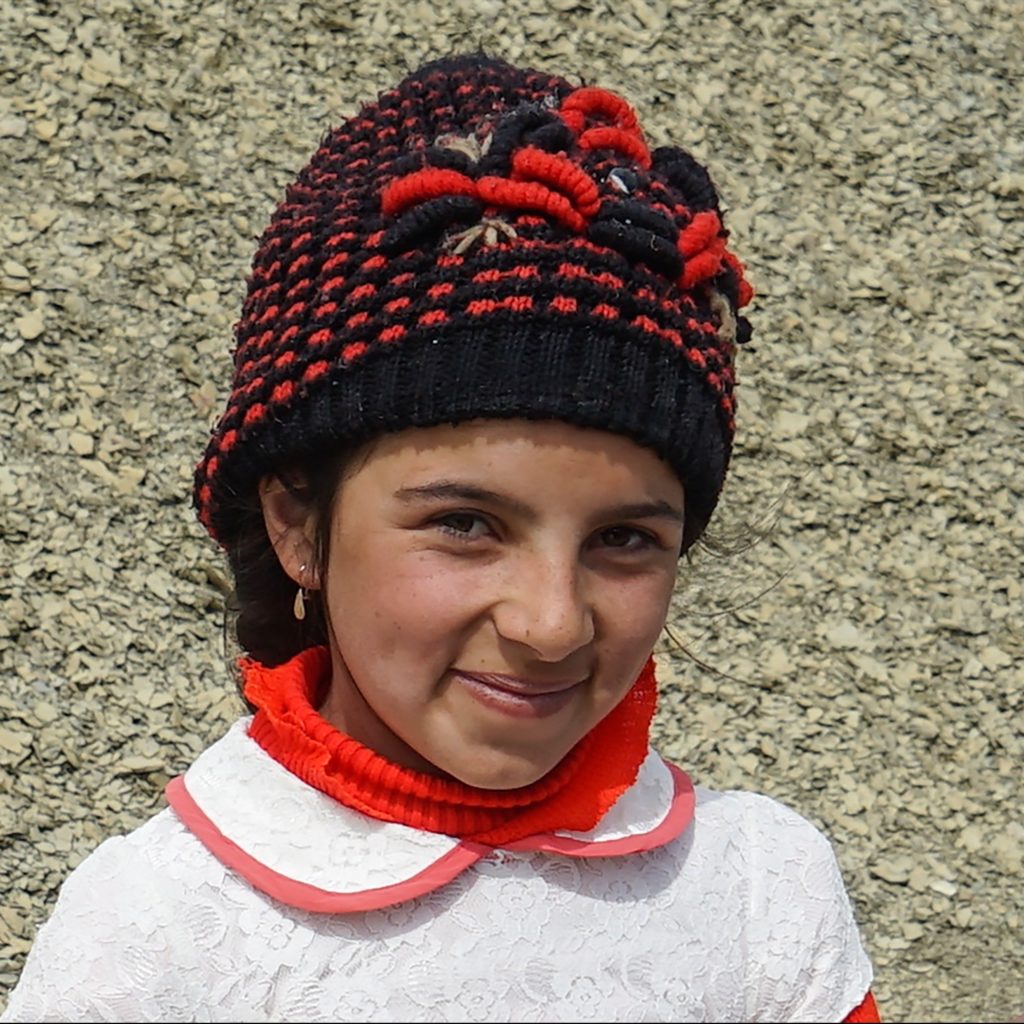
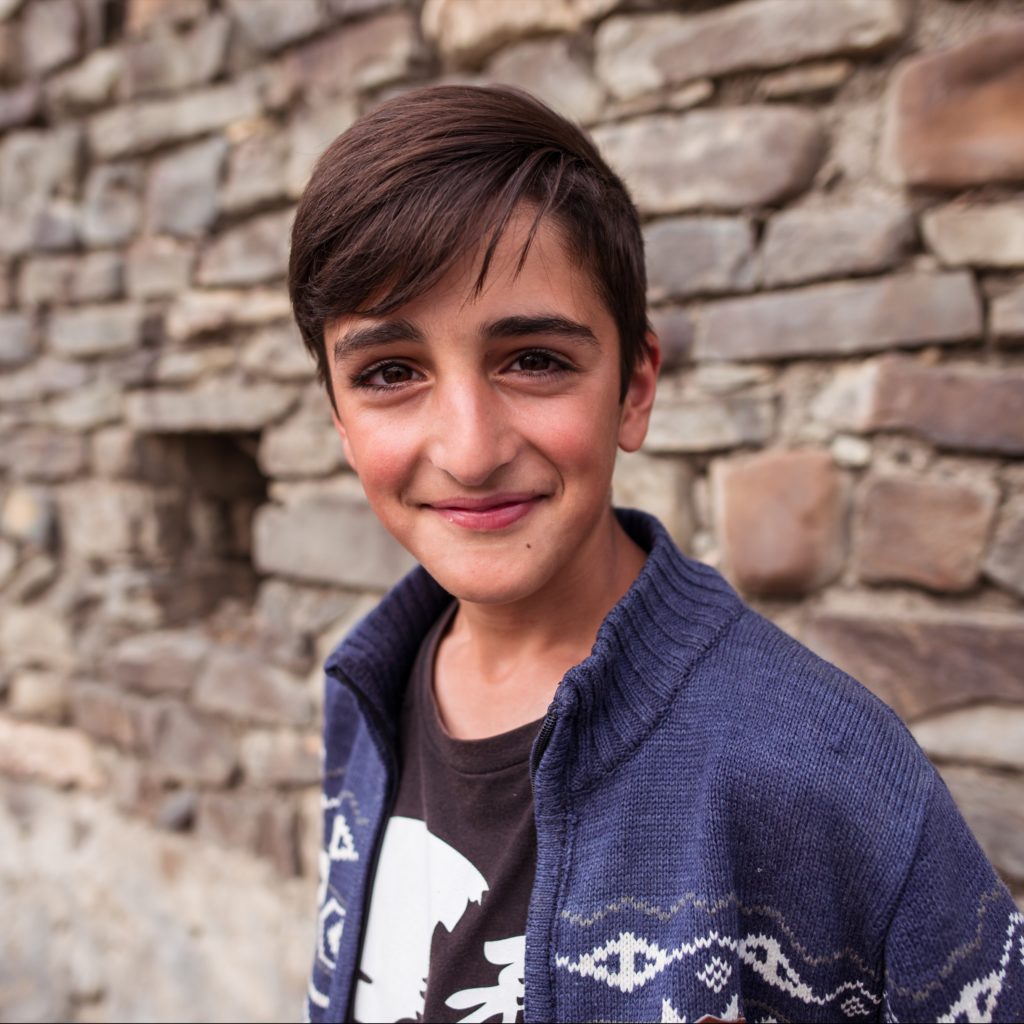
Despite ongoing efforts to improve children’s welfare and the State’s willingness to realise children’s rights, children in Azerbaijan still face significant challenges. These challenges pertain to fundamental rights such as education, health and food, which should be guaranteed equitably for all children in Azerbaijan.
Population: 10.40 million
Population aged 0-14: 22%
Life expectancy: 73.49 years
Under-5 mortality rate: 18.1‰
Azerbaijan at glance
Azerbaijan is a transcontinental country in the Caucasus region, situated between Eastern Europe and Western Asia (SOS Children’s Villages, 2025). It occupies an area on the southern flanks of the Caucasus Mountains, bordered by Russia in its north, the Caspian Sea to the east, Iran to the south, Armenia to the west and Georgia to the northwest. To the southwest of Azerbaijan, bordered by Armenia, Iran and Turkey, is the exclave of Naxçıvan (Nakhichevan) (Britannica, 2025).
Azerbaijan has a young, growing population. The country’s fertility and mortality rates are both slightly below the global average, and life expectancy is at around 73 years. More than a fifth of the population is under the age of fifteen, while nearly half is under thirty. As such, any child policy should primarily focus on providing quality education, healthcare, and comprehensive care, aiming to ensure the health and development of children, paired with a strong emphasis on social protection for vulnerable children.
Azerbaijan is predominantly Muslim; over three-fifths of the population is Shiite and around one-third Sunni. Azerbaijan gained independence between 1918 and 1920, but was later integrated into the Soviet Union. It declared sovereignty on September 23, 1989 and independence on August 30, 1991 (Britannica, 2025).
Status of children’s rights [1]
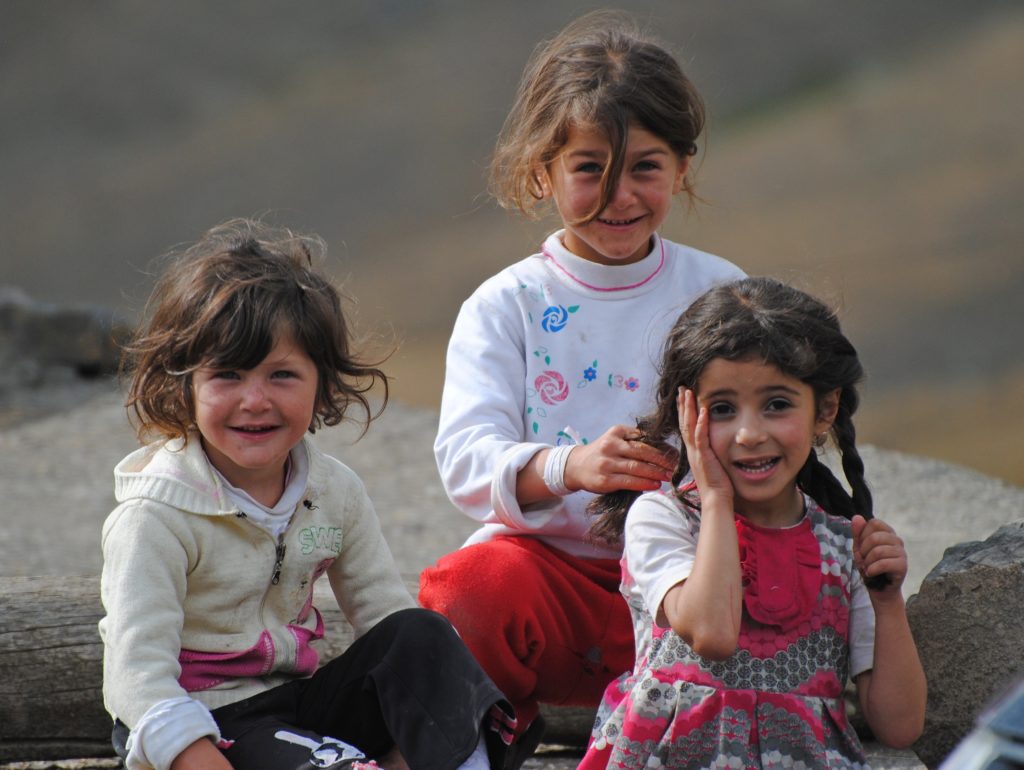
Following its independence, Azerbaijan joined the United Nations, in 1992 precisely (Britannica, 2025). Consequently, Azerbaijan ratified the Convention on the Rights of the Child on the 13th of August 1992, the Optional Protocol to the Convention on the Rights of the Child on the Involvement of Children in Armed Conflict and the Optional Protocol to the Convention on the Rights of the Child on the sale of children, child prostitution and child pornography on the 3rd of July 2002 (United Nations Human Rights Treaty Bodies, n.d.).
Azerbaijan also ratified other international human rights instruments, namely, the International Covenant on Civil and Political Rights and the International Covenant on Economic, Social and Cultural Rights in 1992, and the Convention on the Elimination of All Forms of Discrimination against Women in 1995 (United Nations Human Rights Treaty Bodies, n.d.).
Addressing the needs of children in Azerbaijan
Right to education
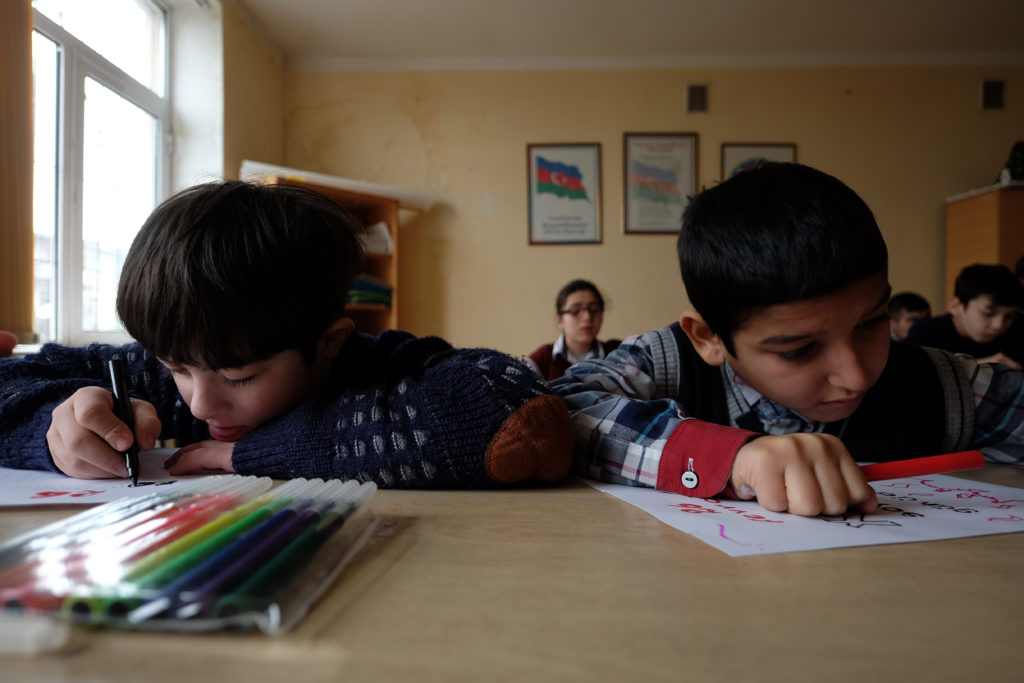
Education is a constitutional right in Azerbaijan. Article 42 of the Constitution states: “Every citizen has the right to education” and mandates free and compulsory secondary education (National Coordination Council for Sustainable Development of the Republic of Azerbaijan, 2025). Indeed, the introduction of free pre-primary education in Azerbaijan has had a positive impact on school enrolment rates so far with “participation rates shot up from 25 percent to 83 percent in four years” (Human Rights Watch, 2025).
Upon completion of secondary education at the age of fifteen, students may choose to continue their secondary education (equivalent to US high school) or enroll in vocational training. All Azerbaijani students take a centralised exam at the end of secondary school. This exam determines their eligibility for and admission to university by comparing the scores of all graduates at the national level (James Madison University, 2020). In addition, the Ministry of Science and Education of Azerbaijan offers international education grants (Ministry of Education, Technological & Vocational Training, 2024).
More recently, UNICEF, in cooperation with the Institute of Education and the Ministry of Science and Education, has launched a project entitled “Expansion of the Network of General Educational Institutions with Inclusive Classes”. The training is aimed at reinforcing the network of inclusive schools, improving the quality of inclusive teaching and increasing the capacity of teachers. The aim of the training is to provide the participants with practical tools and new practices of inclusive education to better support the learning of disabled children (UNICEF, 2024).
Regarding the 2024-2025 school year specifically, 29 general education schools will be added to the initiative, bringing the total number of participating schools to 67 across the country (UNICEF, 2024). However, only 7.1% of all children under the age of 6 attend preschool. An estimated 12.6% of teenagers are not attending secondary school.
Many of these children have never attended school or have dropped out for a variety of reasons. Given the very low availability of preschool or other school readiness programmes, this extremely low enrolment rate is not unexpected (UNICEF, 2016).
Furthermore, the high costs of schooling, covering books and uniforms, coupled with the inadequate infrastructure and insufficient quality of schooling, prevent a significant number of families from enrolling their children in school. As such, children are forced to stay away from school so that they can earn an income and contribute to the family finances. As a result, over 7% of children aged between 5 and 14 are directly involved in child labour (SOS Children’s Villages, 2025).
National child protection systems should be able to provide for the strengthening of essential institutions relating to social welfare, education and health care organisations. Moreover, it should ensure that law enforcement agencies and organisations deal with children at risk. A strong child protection system can help address the many intersectional issues that children and their families commonly and continuously encounter (UNICEF, n.d.).
Right to health

Article 41 of the Constitution of Azerbaijan guarantees healthcare access, stating “everyone has the right to protection of his/her health and to medical assistance” and that “the State takes all necessary measures for development of all forms of health services based on various forms of property, guarantees sanitary-epidemiological safety, facilitates various forms of medical insurance” (President of the Republic of Azerbaijan, 2025).
Furthermore, medical and nursing training institutions in Azerbaijan have adopted a new immunisation curriculum. Developed through under the guidance of the World Health Organization (‘WHO’ hereunder), the curriculum was adopted by medical and nursing training institutions in Azerbaijan as part of a wider collaboration between WHO and the Ministry of Health, with funding from the European Union, resulting in sustainable improvements in the quality of immunisation services in Azerbaijan (World Health Organization, 2025).
While significant progress has been achieved in terms of children’s health and nutrition, anaemia levels among women and children remain a great cause for concern, with 24% of children affected (UNICEF, 2016). The prevalence of anaemia among pregnant women is notably “a key contributor to the nearly 1 in 10 children with low birth weight rates and an estimated 4.9 per cent of children aged under the age of five who are underweight” (Humanitarian Exchange Language, 2025).
Right to food
The Constitution of Azerbaijan does not explicitly guarantee the right to adequate food. While the Country has become a State party to the International Covenant on Economic, Social and Cultural Rights (ICESCR) and has signed its Optional Protocol (OP-ICESCR) in 2009, it has yet to ratify it, for its implementation in the country to be complete (Food and Agriculture Organization of the United Nations, 2025).
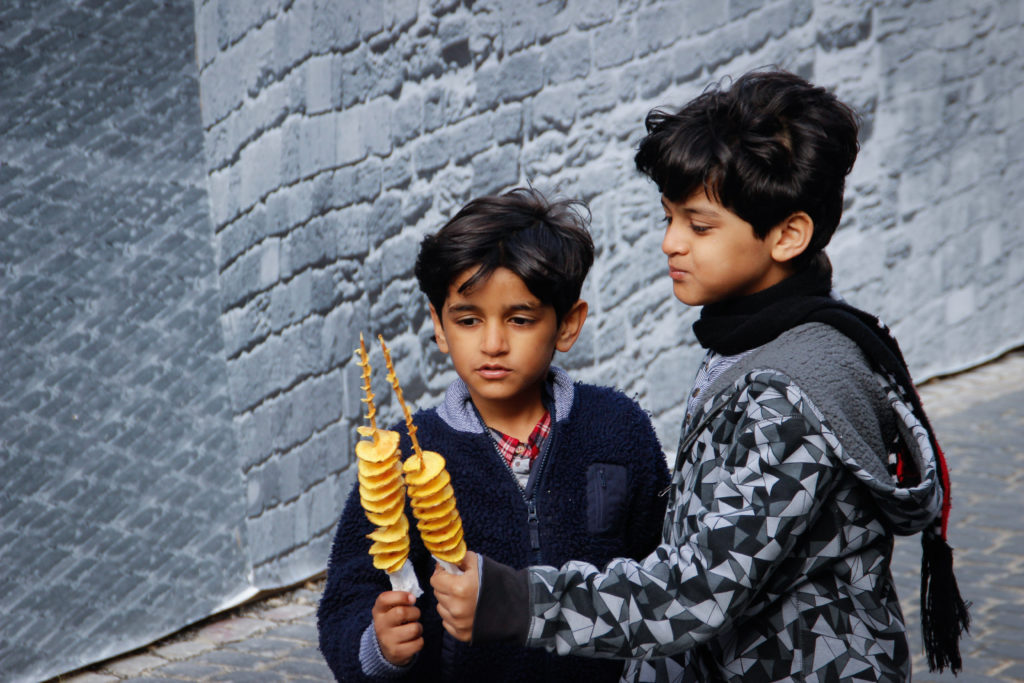
Regarding the Government’s efforts in the realization of the right to food, the UN expert on the right to food has stated that Azerbaijan has focused its efforts on productivity in order to guarantee economic stability. However, it has also been found that the challenge is now “to ensure that the right to food is provided for all and the related goals are implemented through the allocation of adequate budgets and securing growth that benefits all levels of society” (United Nations Human Rights Office of the High Commissioner, 2020).
Furthermore, Azerbaijan has voluntarily joined the Global Alliance against Hunger and Poverty and has stated that it recognizes the need to end poverty and hunger in all their forms and dimensions and will effectively be implementing the 2030 Agenda in order to achieve such goals (Global Alliance against Hunger and Poverty, 2025).
Risk factor – Country-specific challenges
Poverty
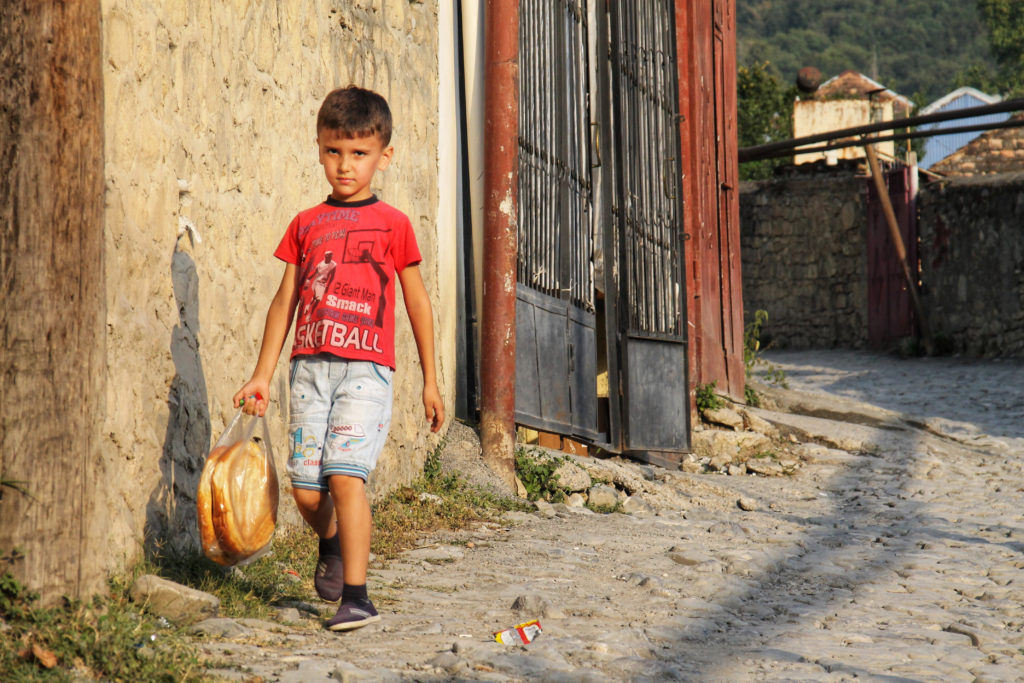
In spite of a relatively stable economic environment, poverty remains an ongoing concern for rural families, as over 25% of the population is living below the poverty line (SOS Children’s Villages, 2025). As poverty remains a major concern and an underlying cause of inequalities, ensuring adequate financial support is essential for providing quality services to children from economically disadvantaged families. However, Azerbaijan’s current social protection system does not specifically target children as it should (UNICEF, 2016).
Given that there are around 2.9 million children under the age of 18, representing over a quarter of the population, special attention should be provided to children. Breaking the intergenerational cycle of deprivation requires a comprehensive understanding of the structural and social factors that perpetuate harm to children.
These include exposure to “violence, exploitation, abuse, neglect and unnecessary separation from their families” (UNICEF, n.d.). To mitigate these risks, integrated and responsive social services must be strengthened to support at-risk families, particularly those affected by poverty, social exclusion, and systemic disadvantage (UNICEF, n.d.).
Child marriage
Unfortunately, child marriage remains an issue in Azerbaijan. It is estimated that 11% of girls in the country are married before the age of eighteen. The law states that an underage girl can marry with the permission of the local authorities (USAID, 2023). Nevertheless, assessing the extent of such marriages is hampered by the lack of statistical data, as marriages involving people under the age of eighteen (or seventeen in exceptional circumstances) are not recorded (UNFPA, 2020).
Sexual exploitation
Azerbaijan has ratified all major international conventions on child labour. However, Azerbaijani legislation does not meet international standards concerning the commercial sexual exploitation of children. Although the authorities enforce certain laws against child pornography and the sexual exploitation of children, some civil society representatives continue to report that boys and girls are being used for sexual exploitation (US Department of Labor, 2023; USAID, 2023).
Child labour
As a result, children in Azerbaijan continue to be subjected to the worst forms of child labour, including forced begging and commercial sexual exploitation, in some cases as a direct result of child trafficking. Children have also been forced into cotton harvesting and production (US Department of Labor, 2023). A definite number of children concerned remains unavailable, since data only sheds light on the amount of women being trafficked for the purpose of sexual exploitation (GRETA, 2023).
Corporal punishment
There are no prohibitions of corporal punishment in the home, in alternative care settings, in all early childhood care or in day care for older children. The State has yet to address recommendations made at the United Nations level, dated from 2023, regarding the prohibition of corporal punishment in private and public spheres (End Corporal Punishment, 2025).
Children with disabilities
In Azerbaijan, there is still a widespread misconception — particularly among some communities and institutions — that disabled children are ill and because of that, they have to be separated from other children and placed in institutions (UNICEF, 2005). This belief has contributed to the institutionalisation of disabled children and limited their access to inclusive education. Indeed, in 2020, a local NGO reported that, in Azerbaijan, “between 6,000 and 10,000 disabled children had access to separate educational establishments, while the rest were educated at home or not at all” (USAID, 2023).
Discrimination
The Roma communities in Azerbaijan face constant structural discrimination. These include issues relating to personal documentation, lack of access to education, extreme poverty, unemployment, involvement in the irregular labour market, unregistered housing and harmful traditional practices such as forced early marriages, child exploitation and begging (Human Rights Council, 2023).
Moreover, LGBTQ+ youth are exposed to intersectional forms of physical and emotional harm, such as mobbing, bullying and harassment, both within and outside of educational establishments. This is a result of the lack of inclusive programs aimed at promoting equality, peace and non-violence within educational institutions and at addressing prevailing social and cultural stereotypes of sexuality and gender (Human Rights Council, 2023).
Written by Moïra Phuöng Van de Poël
Internally proofread by Aditi Partha
Last updated on 31 March 2025
Bibliography:
Britannica (2025, March 1st). Azerbaijan. Retrieved from Britannica at https://www.britannica.com/place/Azerbaijan/Nagorno-Karabakh-conflict-dissolution-of-the-Soviet-Union-and-presidency-of-Heydar-Aliyev, accessed in March 2025.
End Corporal Punishment (2025, January). Corporal punishment of children in Azerbaijan Retrieved from End Corporal Punishment at http://www.endcorporalpunishment.org/wp-content/uploads/country-reports/Azerbaijan.pdf, accessed in March 2025.
Food and Agriculture Organization of the United Nations (2025). The Right to Food around the Globe – Azerbaijan. Retrieved from Food and Agriculture Organization of the United Nations at https://www.fao.org/right-to-food-around-the-globe/countries/aze/en/, accessed in March 2025.
Global Alliance Against Hunger and Poverty (2025). REPUBLIC of AZERBAIJAN – Statements of Commitment to the Global Alliance Against Hunger and Poverty. Retrieved from Global Alliance Against Hunger and Poverty at https://globalallianceagainsthungerandpoverty.org/wp-content/uploads/2025/01/Azerbaijan-SoC.pdf, accessed in March 2025.
GRETA (2023, June 6). GRETA publishes its third report on Azerbaijan. Retrieved from GRETA at https://www.coe.int/en/web/anti-human-trafficking/-/council-of-europe-anti-trafficking-body-urges-azerbaijan-to-better-identify-victims-of-human-trafficking-and-improve-their-access-to-compensation-and-other remedies, accessed in March 2025.
Humanitarian Exchange Language (2025, February 15). Azerbaijan – Health Indicators. Retrieved from Humanitarian Exchange Language at https://data.humdata.org/dataset/who-data-for-aze, accessed in March 2025.
Human Rights Council (2023, August 24). Working Group on the Universal Periodic Review – Summary of stakeholders’ submissions on Azerbaijan. Retrieved from Human Rights Council at https://docs.un.org/en/A/HRC/WG.6/44/AZE/3, accessed in March 2025.
Human Rights Watch (2025, January 24). A New Chance to Expand Children’s Access to Education. Retrieved from Human Rights Watch at https://www.hrw.org/news/2025/01/24/new-chance-expand-childrens-access-education#:~:text=It’s%20no%20surprise%20that%20UNESCO,for%20all%20children%2C%20without%20exception., accessed in March 2025.
James Madison University (2020). Global Campus Toolkit: Azerbaijan. Retrieved from James Madison University at https://www.jmu.edu/global/isss/resources/global-campus-toolkit/azerbaijan.shtml, accessed in March 2025.
Ministry of Education, Technological & Vocational Training (2024). International Education Grant Program 2024-2025. Retrieved from Ministry of Education, Technological & Vocational Training at https://mes.gov.bb/News/Latest/International-Education-Grant-Program-2024-2025.aspx;, accessed in March 2025.
National Coordination Council for Sustainable Development of the Republic of Azerbaijan (2025). Extract from the Constitution of the Republic of Azerbaijan. Retrieved from National Coordination Council for Sustainable Development of the Republic of Azerbaijan at https://sdg.azstat.gov.az/en/constitution/313/article-42-right-for-education, accessed in March 2025.
President of the Republic of Azerbaijan (2025). The Constitution of the Republic of Azerbaijan. Retrieved from President of the Republic of Azerbaijan at https://president.az/en/pages/view/azerbaijan/constitution, accessed in March 2025.
SOS Children’s Villages (2025). Azerbaijan. Retrieved from SOS Children’s Villages at https://www.sos-childrensvillages.org/where-we-help/asia/azerbaijan, accessed in March 2025.
UNFPA (2020). Child Marriage in Azerbaijan (Summary). Retrieved from UNFPA at https://eeca.unfpa.org/sites/default/files/pub-pdf/unfpa%20azerbaijan%20summary.pdf, accessed in March 2025.
UNICEF (2005). The Child Protection System in Azerbaijan: Situation Analysis. Retrieved from UNICEF at https://www.oijj.org/sites/default/files/documentos/documental_3362_en.pdf, accessed in March 2025.
UNICEF (2016, December 20). The rights of children and why they matter – The work of UNICEF in Azerbaijan. Retrieved from UNICEF at https://www.unicef.org/eca/stories/every-child-azerbaijan-what-we-achieved-together, accessed in March 2025.
UNICEF (2024, August 27). Expansion of the Network of Educational Institutions with Inclusive Classes. Retrieved from UNICEF at https://www.unicef.org/azerbaijan/stories/expansion-network-educational-institutions-inclusive-classes, accessed in March 2025.
UNICEF (n.d). Azerbaijan – Child protection. Retrieved from UNICEF at https://www.unicef.org/azerbaijan/what-we-do/child-protection, accessed in March 2025.
United Nations Human Rights Office of the High Commissioner (2020, January 15). A/HRC/43/44/Add.1: Visit to Azerbaijan – Report of the Special Rapporteur on the right to food. Retrieved from United Nations Human Rights Office of the High Commissioner at https://www.ohchr.org/en/documents/country-reports/ahrc4344add1-visit-azerbaijan-report-special-rapporteur-right-food, accessed in March 2025.
United Nations Human Rights Treaty Bodies (n.d.). View the ratification status by country or by treaty – Azerbaijan. Retrieved from United Nations Human Rights Treaty Bodies at https://tbinternet.ohchr.org/_layouts/15/TreatyBodyExternal/Treaty.aspx?CountryID=11&Lang=EN, accessed in March 2025.
USAID (2023). Azerbaijan 2023 Human Rights Report. Retrieved from USAID at https://www.state.gov/wp-content/uploads/2024/03/528267_AZERBAIJAN-2023-HUMAN-RIGHTS-REPORT.pdf, accessed in March 2025.
US Department of Labor (2023). Child Labor and Forced Labor Reports – Azerbaijan. Retrieved from US Department of Labor at https://www.dol.gov/agencies/ilab/resources/reports/child-labor/azerbaijan, accessed in March 2025.
World Health Organization (2025). Data over Azerbaijan. Retrieved at World Health Organization at https://data.who.int/countries/031., accessed in March 2025.
World Health Organization (2025, January 23). New curriculum key to strengthening immunization services in Azerbaijan. Retrieved from World Health Organization at https://www.who.int/czechia/news/item/23-01-2025-new-curriculum-key-to-strengthening-immunization-services-in-azerbaijan, accessed in March 2025.
[1] This article by no means purports to give a full or representative account of children’s rights in Azerbaijan; indeed, one of the many challenges is the scant updated information on Azerbaijan’s children, much of which is unreliable, not representative, outdated, or simply non-existent.