Realizing Children’s Rights in Greece
Children’s rights in Greece encompass a broad range of issues that reflect both social progress and ongoing challenges. Although the country has made significant strides in aligning with international legal frameworks, such as the United Nations Convention on Children’s Rights, many children in Greece still face obstacles. The rising rates of childhood obesity highlight concerns regarding nutrition and access to healthy lifestyles, while increasing exposure to online risks demonstrates the urgent need for stronger child online safety measures and digital literacy. Similarly, poverty remains a persistent issue affecting access to healthcare, education and equal opportunities.
Population: 10.39 million
Population aged 0–14: 13.2%
Life expectancy: 81.54 years
Under-5 mortality rate: 3.7 ‰
Greece at a glance
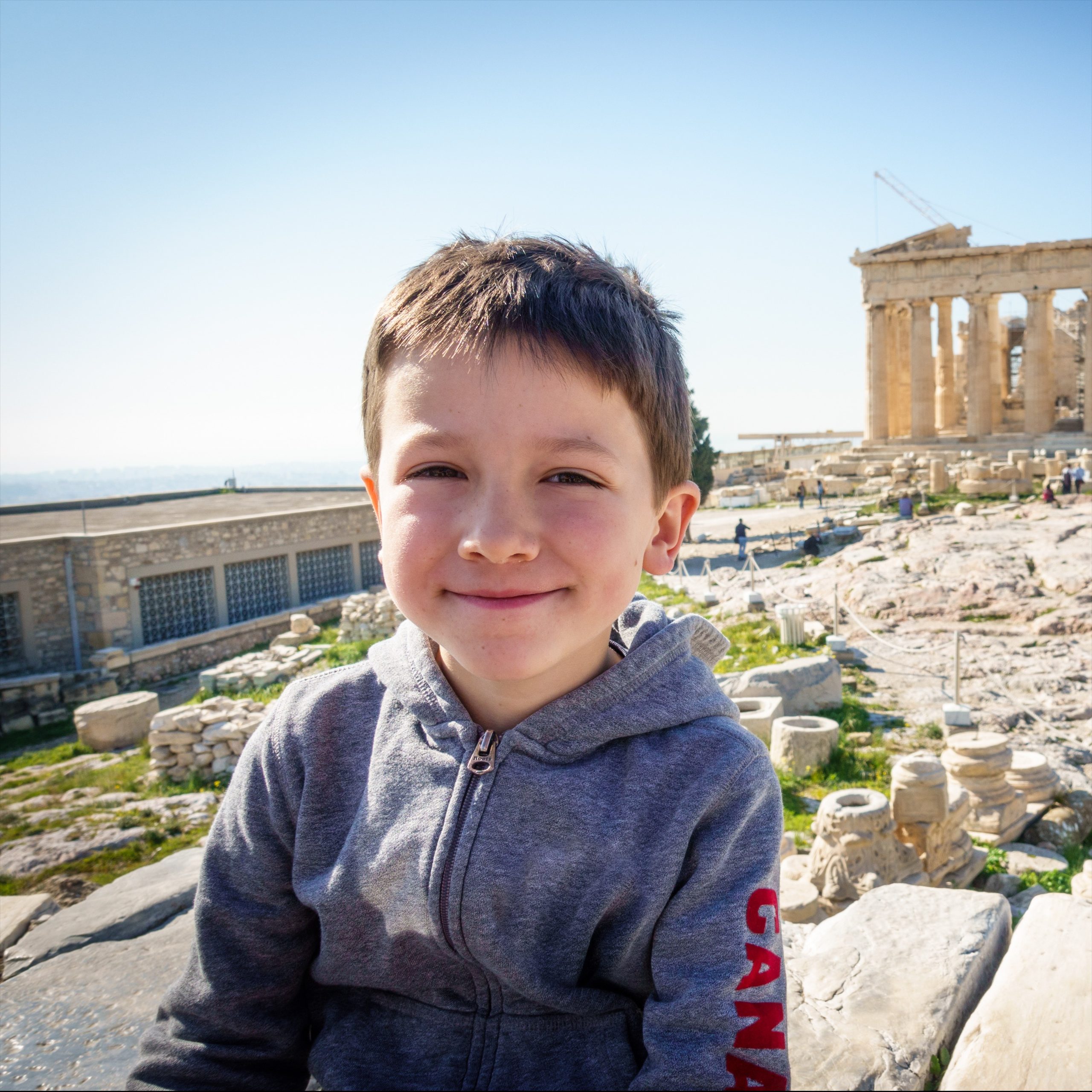
Greece, officially known as the Hellenic Republic (Ελληνική Δημοκρατία), is a country located in the southernmost tip of the Balkan peninsula. Greece shares a land border with Albania to the northwest, Bulgaria and North Macedonia to the north and Turkey to the east. Athens, the country’s largest city and its capital, is also one of the world’s oldest cities with recorded history between 11th and 7th millennia BCE (before common era). Due to its geographic location, Greece is considered European, Balkan and Mediterranean (Danforth et al, 2025).

Greece has over 2,000 islands, of which 170 are inhabited. The 6 main islands include: Corfu, Paxoí (Paxos), Lefkáda (Leucas), Itháki (Ithaca), Kefalonía (Cephallenia), and Zákynthos (Zacynthus). The Aegean Sea is to the east, the Ionian Sea to the west and the Sea of Crete and the Mediterranean Sea to the south. Greece has a unique landscape, with a variation of the sea, mountains, lowlands, rocky headlands, island arcs and archipelagoes (Danforth et al, 2025).
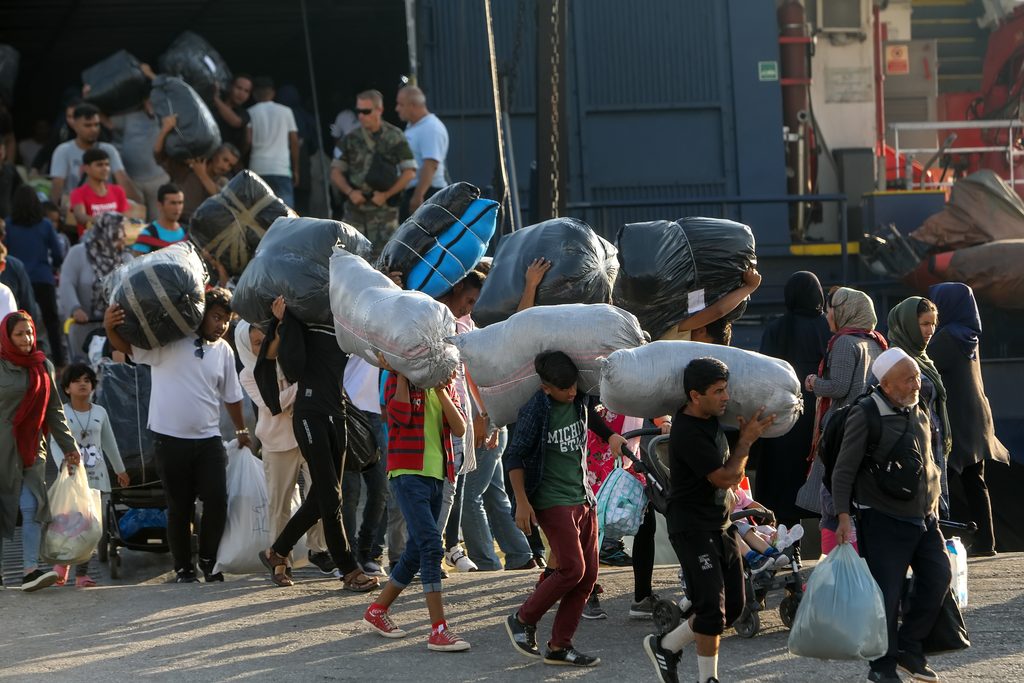
Since 2015, Greece has been one of the main recipients of asylum-seekers, migrants and refugees, with an increase in sea arrivals in mid-2019. This has impacted the Greek economic and welfare system, and in turn has made it more difficult for asylum-seeking and refugee children to access basic rights (Amnesty International, 2020). According to the Ministry of Migration and Asylum, between January and November 2023, 41,161 refugees and migrants came into Greece. A majority of those arriving by sea (34,621), mainly having come from Syria (26%), the State of Palestine (18%), and Afghanistan 17%). UNICEF estimated that in October 2023, there were 25,000 refugee and migrant children in Greece, of which approximately 7,000 arrived from Ukraine (UNICEF, 2023).
Status of children’s rights[1]
Greece has committed to several international instruments for the protection of children’s rights. In 1993, the government ratified the Convention on the Rights of the Child (CRC). Greece is also party to other international human rights instruments, including the Convention on the Elimination of All Forms of Discrimination against Women (CEDAW) ratified in 1983, the International Convention on the Elimination of All Forms of Racial Discrimination ratified in 1970 and the International Covenant on Civil and Political Rights ratified in 1997.
The government ratified the Optional Protocol to the Convention on the Rights of the Child on the Involvement of Children in Armed Conflict in 2003 and on the Sale of Children, Child Prostitution and Child Pornography in 2008. The government also ratified the International Labour Organization (ILO) Worst Forms of Child Labour Convention (No. 182) in 2001.
Addressing the needs of children
Right to education
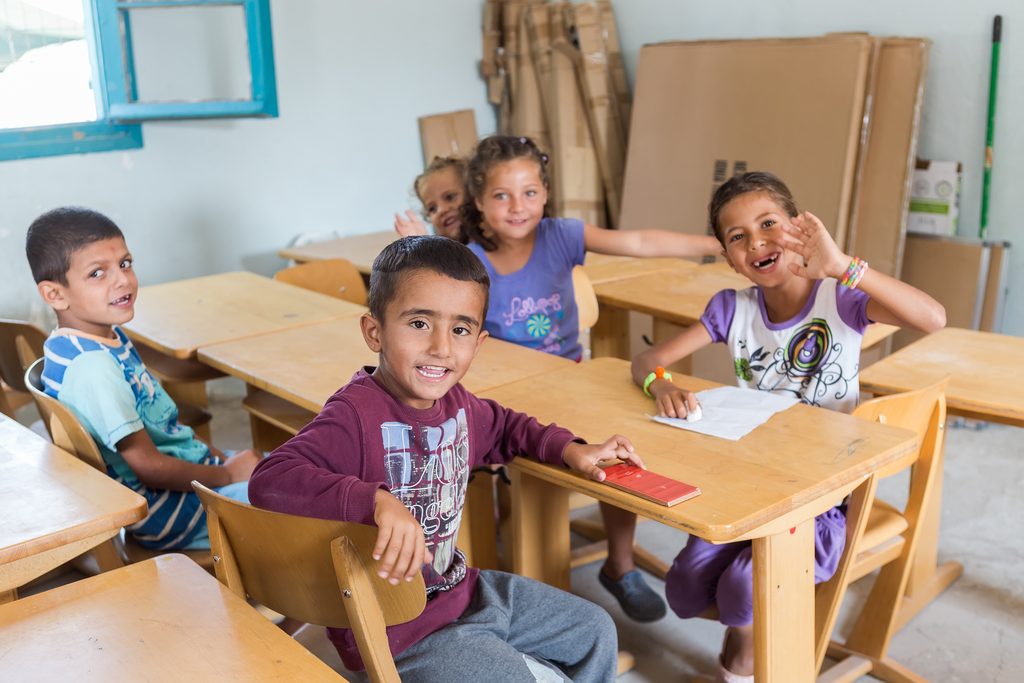
In Greece, the education system is centralised and regulated by the Ministry of Education, Religious Affairs and Sports and Article 16 of the Greek Constitution guarantees free, public and compulsory education to all, for nine years.
The structure of formal education in Greece consists of (European Commission, 2025):
- Pre-primary education ((Προσχολική Εκπαίδευση) (ages 4-6; compulsory from the age of 4).
- Primary education (Δημοτικό Σχολείο) (ages 6-12).
- Secondary education (Δευτεροβάθμια Εκπαίδευση) (ages 12-18).
Right to health
Healthcare in Greece is regulated by the Ministry of Health. The National Organization for the Provision of Health Services (Ethnikos Organismos Parochis Ypiresion Ygeias – EOPPY), which was established in 2012, is the national health insurance fund. All children in Greece are covered within their parents’ or guardians’ EOPPY insurance which includes free or subsidized healthcare, access to hospitals, medical and diagnostic tests, immunizations and partial or reimbursed medications and medical devices (European Commission, 2023).
According to a report conducted by the Organization for Economic Co-operation and Development (OECD) in 2024, Greece has the highest rates of unmet medical needs due to financial barriers across Europe, with 11.6% of Greeks above the age of 16 being unable to access medical services. This is the highest rate across Europe, with the average across the European Union (EU) being 2.4%.
Greece faces the highest financial barriers to accessing healthcare, with approximately 23% of Greeks in the lowest income being unable to access healthcare and pay out of pocket (Kowalenko, 2024). The cost of healthcare and low income remain the main barriers to children and families accessing medical services. Further to this, across the country, especially in remote areas, not all medical services are available for children, particularly children with disabilities, Roma children, children in street situations and refugee and migrant children.
Greece has the highest rates of childhood obesity in Europe, with this being a major public-health concern. Approximately one third of Greek children are overweight or obese, which spans across several different age groups. In November 2023, in collaboration with UNICEF, the Ministry of Health launched the National Action against Childhood Obesity (2022-2026). This is one of the largest (36 million euros) programmes against obesity in children between the ages of 2-14 years, with the aim of reducing the prevalence from 37.1% in 2019 to 24.5% in 2025 (UNICEF, 2023).
The National Action against Childhood Obesity implemented targeted interventions within schools and medical and community centers. The main aim of the action plan included integrating nutritional educational programmes within the school curriculum, healthy cooking classes, and organized physical activities for children. Further, it also included free and early screening for obesity with the support of registered dieticians, psychologists, endocrinologists and pediatricians. Prior to the implementation of the action plan, in 2022, the government initiated the “Greek Pledge,” an initiative that encourages food and beverage companies to improve the ways in which they advertise to children under the age of 13 years old (Cousins, 2025).
Right to clean water and sanitation
In a 2021 study carried out in Greece, it was found that 78% of households with children had access to a water supply, 66.6% had access to hot water and 79.2% had access to a sewage system. Approximately one third of schools had toilets outside with poor water quality. Similarly, in 2021, children from the Roma community (12,216 children), predominately living in settlements in Attica, Central Greece and Peloponnese that lacked basic infrastructure, such as tents, containers, that lacked basic infrastructure for sanitation such as a water supply, road construction or electricity (UNICEF, 2022).
Right to identity
Under Article 20(1) of Law 344/1976, a child must be registered within 10 days of birth at the Registry Office of the municipality where the child is born. Families are liable to a late registration fee of 60 euros if the declaration is made after 90 days (Asylum Information Database, 2025).
According to UNICEF Greece, approximately 10% of Roma children are not registered at birth. Additionally, 3.3% of Roma people have issues accessing civil registration systems such as identity cards and birth certificates. This is prevalent across central Greece (9.8%), South Aegean Islands (6.2%) and Ionian Islands (6.8%) (UNICEF, 2021).
Risk factors –> Country-specific challenges
Poverty
Child poverty in Greece remains high. As of 2023, there are approximately 480,000 children (28%) living in poverty. The children that are most affected by poverty in Greece are children of migrants and refugees, children in large families or single-parent households, Roma children, children living in a single-income household or with parents/guardians who are unemployed and children in prison (Eurochild, 2024).
The European Union (EU) has invested 5.3 billion euros in the European Social Fund+ (ESF+) in Greece. This fund was designed to promote employment, education, skills, social inclusion and combat inequality and poverty, for the period of 2021-2027. In Greece, the ESF+ is implemented through the national Human Resources and Social Cohesion Programme and across 13 regional programmes (Eurochild, 2024).
Similarly, the European Child Guarantee Scheme, an initiative by the European Union, launched in 2021, to prevent and combat child poverty, by guaranteeing that children are able to access key services such as: free education (of which includes school activities and one healthy meal a day), free healthcare, adequate housing, accessibility to healthy nutrition and free early childhood education (European Commission, n,d). In particular, the Greek government has aligned its National Action Plan 2022 with the ESF+, prioritizing a reduction in child poverty, expanding early childhood services, improving access to health care and education and lastly providing support to children with disabilities (Eurochild, 2024).
Displaced children
Unaccompanied minors, asylum-seeking and refugee children, remain one of the most vulnerable groups in Greece, with thousands of children arriving in the country in unsafe ways. These children are exposed to detention, inadequate living conditions, violence and exploitation.
According to UNICEF Greece, since January 2024, 51,620 refugees and migrants have arrived in Greece, and children accounted for 30.4%. As of June 2024, it was estimated that there were 27,000 refugee and migrant children (41% girls and 59% boys) (UNICEF, 2024).
Between 2021 and 2023, an estimated 3,123 unaccompanied minors were accommodated in “safe zones” within the Closed Controlled Access Centers (CCACs) on the islands of Kos (804 minors), Chios (1,006), Leros (418), and Samos (895) (Federal Department of Foreign Affairs, n.d.). These safe zones were designed to provide temporary shelter and protection for children arriving without parents or legal guardians, but in practice, many have operated under overcrowded and unsafe conditions, resembling detention facilities.
The safe house was to offer protection and temporary protection and access to essential services that arranged family reunification, guardianship and relocation to long-term shelter. However, children living within these safe zones were subjected to detention-like living conditions, overcrowding, excessively long stays, inability to access essential services such as health care and education, inadequate hygiene and exposure to violence and bullying (Gebe et al, 2025).
The CCACs resemble detention facilities, with strict rules, surveillance, high barbed-wire fences and excessive policing. Unaccompanied minors living in safe zones are not permitted to leave unless they are accompanied by a state employee. Despite such heavy policing, the Greek government denies that these children are detained. Unaccompanied minors are meant to stay in safe zones for the shortest possible time. However, often, minors end up staying for extended periods of time due to delays in being appointed legal guardians (Gebe et al, 2025).
Initially, safe zones were designed to house a maximum of 70 children. However, in an Equal Rights report, it was found that safe zones were overcrowded, housing up to 450 unaccompanied minors at a time. Overcrowding leaves no room for privacy and both boys and girls are housed in the same space. As the safe zones reach full capacity, children are unable to have a bed to sleep on and have limited access to food, water and unhygienic living conditions, putting their mental and physical health at risk (Gebe et al, 2025).
Violence and exploitation against displaced children
Unaccompanied minors, asylum-seeking and refugee children living in safe zones are often exposed to violence, abuse and neglect by staff, law enforcement and occasionally other adults or minors living within the CCACs. Perpetrators and instances of violence are wide-ranging and varied. Targeted interviews conducted with children residing in so-called ‘safe areas’ over the last 12 months revealed a few instances of violence perpetrated by police, as well as frequent violence led by other children and staff residing in the CCACs (Gebe et al, 2025).
This violence was shown to converge with other crime types, including illicit drug trafficking and use, theft and sexual abuse and exploitation. In a notable 2024 case in the Malakasa camp, a 16-year-old Egyptian unaccompanied minor reported being sexually abused and tortured by 6 Egyptian men (Ekathimerini, 2024). The CCAC environment is generally characterized by endemic interpersonal violence between children, with little to no functioning accountability mechanisms to remedy past harms or deter future ones (Gebe et al, 2025).
Written by Vanessa Cezarita Cordeiro
Last updated on 26 October 2025
Internally proofread by Aditi Partha
References:
Amnesty International. (2020, February 12). “Migrant Children and Asylum-Seekers still denied healthcare.” Retrieved from Amnesty International, accessed on 13 September 2025.
Asylum information database. (2025, September 15). “Civil registration Greece.” Retrieved from Asylum Information Database, accessed 24 September 2025.
Better Internet for Kids. (2025, June 23). “Children’s online habits in Greece: 2025 nationwide survey explores challenges in implementing the Digital Services Act (DSA).” Retrieved from European Union, accessed on 25 October 2025.
Cousins, S. (2025, July 25). “Here’s how Greece is tackling its childhood obesity epidemic.” Retrieved from Medscape, accessed on 25 October 2025.
Danforth, L., Haldon Frederick, J., Smith Delano, C., Bowman, J., Clogg Mowbray Ralph, R. (2025, September 12). “Greece.” Retrieved from Encyclopedia Britannica, accessed 10 September 2025.
Directorate-General for Migration and Home Affairs. (2024, July 23). “Over 25,000 migrant children in Greece benefited from “All children in Education” programme.” Retrieved from European Union, accessed on 11 September 2025.
Ekathimerini. (2024, December 11). “Teenager alleges torture and sexual abuse at Malakasa refugee camp.” Retrieved from Ekathimerini, accessed on 23 September 2025.
Eurochild. (2024). “Children’s realities in Europe: progress and gaps. Eurochild 2024 report on children in need across Europe.” Retrieved from Eurochild, accessed on 21 October 2025.
European Commission. (2023, September). “State of health in the EU Greece country health profile 2023.” Retrieved from Organization for Economic Co-operation and Development, accessed on 17 October 2025.
European Commission. (2025, June 30). “Eurydice Greece.” Retrieved from European Commission, accessed on 10 September 2025.
European Commission. (n,d). “European Child Guarantee.” Retrieved from European Commission, accessed on 21 October 2025.
Federal Department of Foreign Affairs. (n,d). “Safe areas for unaccompanied migrant children (Samos, Leros, Chios and Kos Islands.” Retrieved from Federal Department of Foreign Affairs, accessed on 24 September 2025.
Gebe, S., Kessler, J. (2025, June 10). “Report on the safe areas of the closed controlled access centers on Kos and Leros – 2025.” Retrieved from Equal Rights Beyond Borders, accessed on 23 September 2025.
Giannopoulos, B. (2025, October). “Greece to automatically block social media access for children under 15 from October.” Retrieved from Greek City Times, accessed on 21 October 2025.
Hellenic Republic Ministry of Migration and Asylum. (2024, December 1). “Situation update: unaccompanied minors (UAM) in Greece”. Retrieved from Hellenic Republic Ministry of Migration and Asylum, accessed on 23 September 2025.
Human Rights Watch. (2008, December 22). “Left to survive – systemic failure to protect unaccompanied migrant children in Greece.” Retrieved from Human Rights Watch, accessed on 24 September 2025.
Human Rights Watch. (2019, December 18). “Greece: unaccompanied children at risk – arriving alone in island camp, they face insecurity, neglect.” Retrieved from Human Rights Watch, accessed on 24 September 2025.
Human Rights Watch. (2021, July 29). “Greece: stop denying refugee children an education.” Retrieved from Human Rights Watch, accessed on 11 September 2025.
Jalbout, M. (2020, April). “Finding solutions to Greece’s refugee education crisis.” Retrieved from Theirworld Report, accessed on 11 September 2025.
Kowalenko, C. (2024, December 17). “Greece tops EU in unmet medical needs due to high costs”. Retrieved from Greek City Times, accessed on 17 October 2025.
Legal Centre Lesvos. (2024, July 2). “As heat wave hits Greece, Lesvos CCAC residents continue to be denied access to clean water and food.” Retrieved from Legal Centre Lesvos, accessed on 17 September 2025.
Legal Centre Lesvos. (2025, February 25). “Lesvos situation report: quarterly developments and updates, October-December 2024.” Retrieved from Reliefweb, accessed on 22 September 2025.
UNICEF Greece. (2024). “Annual report 2024.” Retrieved from UNICEF Greece, accessed 24 September 2025.
UNICEF. (2021). “Birth registration and identity in Greece.” Retrieved from UNICEF Greece, accessed 24 September 2025.
UNICEF. (2023). “Country office annual report 2023.” Retrieved from UNICEF Greece, accessed on 13 September 2025.
UNICEF. (June, 2022). “Water and sanitation in Greece.” Retrieved from UNICEF, accessed on 15 September 2025.
World Health Organization. (2024). “Childhood obesity: a national crisis and response.” Retrieved from World Health Organization, accessed on 15 September 2025.
[1] This article by no means purports to give a full or representative account of children’s rights in Greece; indeed one of many challenges is the scant updated information on children in Greece, much of which is unreliable, not representative, outdated or simply non-existent.