Realizing children’s rights in Croatia

Croatia ratified the Convention on the Rights of the Child in October 1991 and has since taken meaningful steps to align its national policies with international standards. Since gaining its independence in the early 1990s, progress has been made in areas such as education, healthcare, and legal protection of children. However, children in Croatia are still affected by violence, poverty, child labor, and the exclusion of vulnerable groups. Despite a strong legal framework, gaps in implementation and social attitudes continue to limit the full realization of children’s rights across the country.
Population: 3.8 million
Pop. ages 0-14: 14%
Life expectancy: 77.5 years
Under-5 mortality rate: 4.6 ‰
Croatia at a glance
The Republic of Croatia (Republika Hrvatska) is a Southeastern European country located at the crossroads of Central Europe, the Balkans, and the Adriatic Sea. It shares land borders with Slovenia, Hungary, Serbia, Bosnia and Herzegovina, and Montenegro. Croatia’s capital is Zagreb, and the country has a population of approximately 3.86 million (Bracewell et al., 2025).
Following its declaration of independence from the Socialist Federal Republic of Yugoslavia in 1991, Croatia underwent a period of armed conflict and major political transition. Since then, the country has made considerable progress in democratic consolidation, joining the European Union in 2013 and the Schengen Area in 2023 (United Nations International Criminal Tribunal for the Former Yugoslavia, n.d.).
Economically, Croatia’s GDP per capita stands at €28,700—below the EU average of €37,600—and accounts for 0.4% of the EU’s total GDP. Nonetheless, the country has benefited from EU funding through investments in infrastructure, digital services, and education, supporting national development goals and aligning with EU-wide priorities (European Union, n.d.).
According to the 2001 census, the largest minority groups in Croatia include Serbs (201,631), Bosniaks (20,755), Roma (9,463), and Hungarians (16,595). However, these figures likely underestimate the true size of some groups, especially the Roma and Serbs, due to underreporting caused by fear of discrimination or displacement following the 1990s conflict (Minority Rights Group, n.d.).
Status of children’s rights [1]
Croatia ratified the United Nations Convention on the Rights of the Child (CRC) on October 8 1991, thereby committing to implement the full spectrum of children’s rights (Society Our Children, 2019). Since then, it has adopted other key international treaties, including the Optional Protocol on the Sale of Children, as well as the Optional Protocol on the Involvement of Children in Armed Conflicts (UNHR, n.d.).
As of 2024, Croatia is among the 52 States that have ratified the Optional Protocol to the Convention on the Rights of the Child on a Communications Procedure (OPIC). This protocol, which entered into force in 2014, allows children to bring complaints to the UN if their rights under the Convention are violated and cannot be adequately addressed at the national level (OPIC, 2022).
In addition, Croatia established the Ombudsperson for Children in 2003—the first specialized institution of its kind in the country—tasked with safeguarding and monitoring children’s rights in line with the UN Convention and national legislation. This independent body can act upon complaints or on its own initiative to address violations of children’s rights and advocate for systemic improvements (Pravobranitelj za djecu, 2018).
Croatia’s national laws meet international child rights standards, but the UN Committee on the Rights of the Child identifies implementation gaps. While acknowledging progress, the Committee noted poor coordination between institutions, weak monitoring systems, and concerns about minority children, institutional bullying, and inconsistent care standards (University of Minnesota, 2004).
Addressing the needs of children
Right to education
The Croatian Constitution guarantees equal access to education regardless of family wealth. Primary education (ages 6-15) is free and mandatory for 8 years, with 99% of general education students passing final exams. Croatia provides early childhood education from 6 months until primary school, with all children required to complete a free preschool program the year before elementary school (Eurydice, 2023).
Croatia also promotes cultural and linguistic inclusion, supporting 22 ethnic minority groups (Serbs, Czechs, Italians, Hungarians, Roma, others) through three language models (Eurydice, 2023):
- Model A offers all classes in a minority language plus mandatory Croatian.
- Model B provides science in Croatian with social subjects in a minority language.
- Model C delivers all classes in Croatian, plus 2-5 weekly hours of minority language and culture.
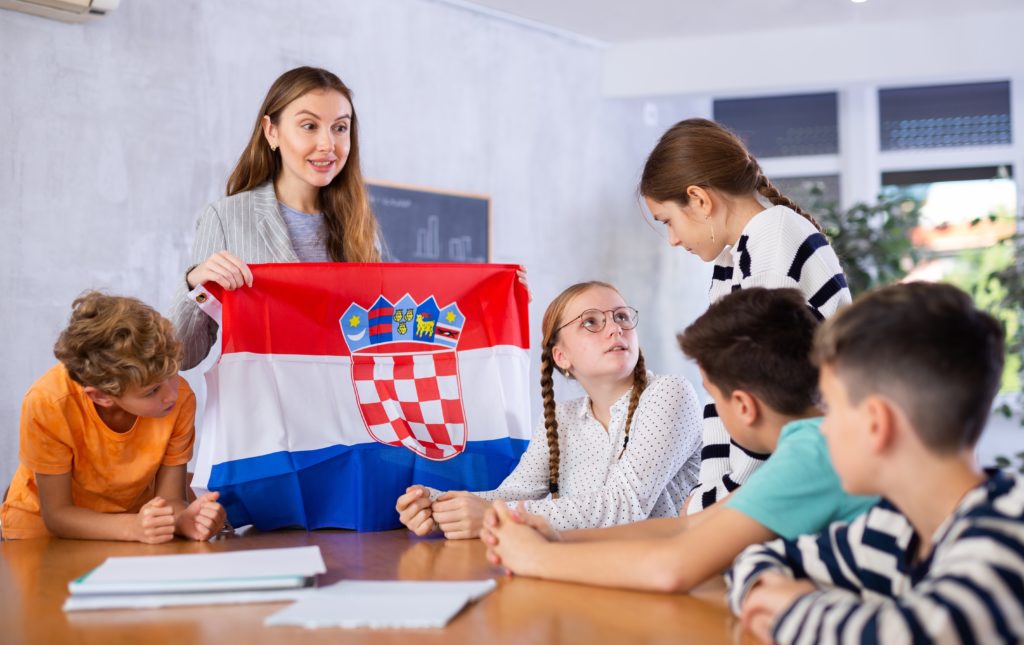
Upper secondary education (ages 14- 15+) is optional but widely attended through grammar schools for university preparation (97% pass state exams), vocational schools offering 1-5 year career programs (67% continue higher education), or art schools combining general and artistic education (Eurydice, 2023). Even though most children attend school, some still miss out. In 2022, the World Bank reported that 2,570 primary school-aged children in Croatia were not enrolled in school.
While this number is small compared to the total population, it often includes children from Roma communities, low-income families, or students with disabilities—groups that are still at risk of being left behind (Trading Economics, n.d.).
To address the inequalities, Croatia has taken steps through targeted initiatives. The National Plan for Roma Inclusion 2021–2027 aims to improve outcomes for marginalized children. Complementing this, public campaigns have been launched to combat stereotypes and encourage greater school participation among vulnerable groups (Office for Gender Equality of the Government of the Republic of Croatia, 2024).
Right to health
In Croatia, all children have the right to free health care. This includes regular check-ups, vaccines, emergency care, and help from specialists like dentists and psychologists. Health services are paid for by a national insurance system, ensuring families don’t have to pay out of pocket (Mestrovic et al., 2016).
Preventive healthcare constitutes a foundational component of Croatia’s child health system. Children are systematically screened for growth, vision, hearing, and musculoskeletal development, and receive health education focused on nutrition, physical activity, and safety. These services are coordinated through a national network of pediatricians and school medicine specialists (Mestrovic et al., 2016).
As part of a multi-sectoral injury prevention strategy—developed in collaboration with the health, education, social welfare, and interior ministries—Croatia has implemented safety legislation and nationwide public awareness campaigns. This led to a significant decline in child injury mortality, with deaths among those aged 0–19 years decreasing from 291 in 1995 to 76 in 2013 (Mestrovic et al., 2016).
Croatia has also prioritized maternal and neonatal care. Almost all births take place in hospitals, and 30 of 31 maternity hospitals have been certified as UNICEF Baby-Friendly. Several pediatric departments have similarly been recognized as Child-Friendly, meeting international standards for child-sensitive healthcare environments (Mestrovic et al., 2016).
Despite these achievements, new health challenges are emerging. Rising rates of childhood obesity, mental health conditions, and neurodevelopmental disorders have placed additional pressure on the healthcare system. There is currently a national shortage of child psychiatrists—fewer than 30 in total—and a growing need for new pediatricians to meet service demands (Mestrovic et al., 2016).
Right to identity
In Croatia, the right to identity is closely tied to broader child rights protections outlined in international and national law. As a signatory to the United Nations Convention on the Rights of the Child since 1991, Croatia is legally committed to upholding every child’s right to recognition and protection, regardless of background, disability, or social status (Government of the Republic of Croatia, n.d.).
This includes the right to an identity from birth, which is practically ensured through access to an electronic identity card for all Croatian citizens, including children. The identity card confirms a child’s name, citizenship, birthdate, and residence, and is a gateway to other rights such as health care, education, and protection from harm (Government of the Republic of Croatia, n.d.).
Croatia also upholds the European Convention on the Exercise of Children’s Rights, which emphasizes children’s procedural rights, such as receiving information, expressing their views, and being heard in decisions that affect them. In legal and administrative proceedings, children are entitled to be consulted, and their opinions must be taken seriously (Government of the Republic of Croatia, n.d.).
The importance of the right to identity in Croatia was reinforced by a significant ruling from the European Court of Human Rights in the case Mikulić v. Croatia (2002). In this case, a child born outside of marriage was unable to have her father legally recognized for over five years due to legal delays and the father’s refusal to take a DNA test (Council of Europe, n.d.).
At the time, Croatian law did not allow the courts to compel the test or consider the refusal as legal evidence. The Court found that this delay violated the child’s right to identity and family life. It ruled that children have a vital interest in knowing their family origins and that legal systems must ensure timely and effective procedures to protect this right (Council of Europe, n.d.).
Following the judgment, Croatia amended its laws in 2003. Under the new regulations, any person ordered by a court to take a paternity or maternity test must comply within three months. If they refuse, the court may interpret the refusal as supporting the other party’s claim. This change significantly strengthened the protection of a child’s right to secure their legal identity (Council of Europe, n.d.).
Risk factors → Country-specific challenges
Poverty
According to UNICEF’s Child Poverty in the Midst of Wealth report, Croatia ranks 17th among 39 OECD and EU countries in terms of child poverty risk, a middle-tier position that still reflects significant hardship for many children. Between 2019 and 2021, 16.6% of children were at risk, which is below the EU average but still affects tens of thousands of young lives (UNICEF Hrvatska, n.d.).
While persistent deprivation affected 14% of children from 2017 to 2019, recent figures show a modest improvement, dropping to 10.9% by 2022. Material deprivation, which includes the inability to access basics like fresh food, proper clothing, or learning materials, impacted 5.8% of children under 16 in 2021 (UNICEF Hrvatska, n.d.).
Some groups suffer disproportionately. A staggering 94.6% of Roma children lived below the income threshold as of 2014, compared to 19.4% of the general child population. Children in single-parent households are over three times more likely to experience financial hardship than those in two-parent families (UNICEF Hrvatska, n.d.).
Social protection systems help, but only to a limited extent. In 2021, cash transfers helped reduce child economic vulnerability by 7.1 percentage points. Yet, the adequacy of these benefits is alarmingly low, as unemployment benefits for a family with two children cover just 31.2% of the average wage, far below the EU average in social spending (UNICEF Hrvatska, n.d.).
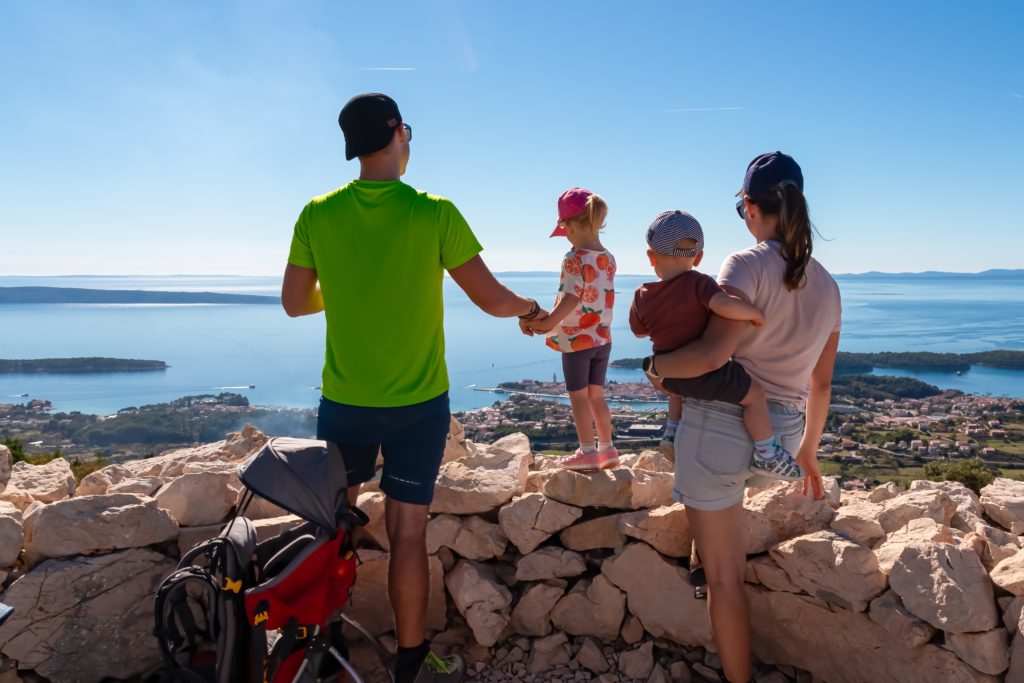
The Croatian government has made several changes to help reduce child material hardship and support families. One important measure is the introduction of the Alimony Fund to provide financial support to children whose parents fail to pay court-ordered child support. Children can now receive this support until up to 26 if they are still in school. Support is available until age 26 for students and for as long as needed for children with disabilities (Vlada Republike Hrvatske, 2024).
The government has also taken steps to support families and young children. First, the payment for a newborn has been doubled to give more help to new parents. In addition, €84.5 million was given to local governments to keep kindergartens open and affordable. These efforts work together to improve children’s lives and reduce poverty in Croatia (Vlada Republike Hrvatske, 2024).
Violence against children
The rise in violence against children, both online and offline, has triggered national alarm and prompted a range of institutional responses in Croatia. A recent report by the Ombudsperson for Children revealed a 13% increase in reported child rights violations in 2023, with an 80% surge in school-based violence. Cases of peer aggression and even fatal incidents, including seven murders and seven suicides of minors, underscore the urgency of systemic change (Novak, 2025).
This growing violence echoes the findings of the BECAN national study, which identified psychological peer violence, such as gossip (62.4%), yelling (46.6%), and verbal insults (43.8%), as the most widespread form. Though less frequent, sexual violence (5%) and physical assault (4.3%) remain significant concerns, particularly due to their lasting impact (Sušac et al., 2012).
Child abuse
Child abuse remains a significant concern in Croatia. In 2006, courts finalized 47 convictions for crimes against children, including 29 for sexual abuse of minors, nine for lewd behavior, seven for using minors in pornography, one for internet child pornography, and one for exposing children to pornographic content. Although the government was generally committed to child welfare, systemic challenges persisted in protecting children from abuse and exploitation (U.S. Department of State, 2008).
Moreover, although Croatia has outlawed corporal punishment in all settings, its use remains disturbingly widespread. A 2012 epidemiological study revealed that psychological aggression and corporal punishment are the most common forms of family violence against children, with prevalence increasing by age: 56% of 11-year-olds, 68% of 13-year-olds, and 72% of 16-year-olds reported experiencing corporal punishment (End Corporal Punishment, 2020).
Despite a strong legal framework, societal attitudes continue to normalize violence. A 2017 national survey found that nearly half of respondents believed corporal punishment had declined, yet only 39% acknowledged its harmful effects. Shockingly, 30% of parents of 3-year-olds admitted to recently hitting or pulling their child’s hair (End Corporal Punishment, 2020).
To address ongoing violence against children, including corporal punishment, Croatia began implementing the Barnahus model in 2023 through an EU–Council of Europe initiative. This child-friendly approach strengthens inter-agency coordination, expands psychosocial support, and involves parents in protective processes (Council of Europe, n.d.).
Peer violence
In 2008, Croatia was deeply shaken by the violent death of 18-year-old Luka Ritz, who was randomly attacked by a group of youths while walking home in Zagreb. Although he initially survived the assault, Luka succumbed to his injuries after several days in the hospital. The tragedy sparked widespread national debate on youth violence, bullying, and the lack of institutional mechanisms to address peer aggression (EEA and Norway Grants, 2017).
Luka’s death became a turning point in the public and political discourse around adolescent safety. In response, his family established the Luka Ritz Counseling Center, a municipal institution committed to supporting young people affected by violence and promoting educational and preventive initiatives. His legacy also led to the introduction of the “Luka Ritz Award,” which annually recognizes students who actively promote nonviolence and tolerance in schools (EEA and Norway Grants, 2017).
Building on these efforts, a 2023 study by the Faculty of Education and Rehabilitation Sciences for the City of Zagreb identified cyberbullying as the least recognized yet increasingly prevalent form of peer violence, particularly after the fifth grade of primary school. Based on these findings, the City developed the Peer Violence Prevention Action Plan for 2024–2026. The plan, formally adopted by the City Assembly, outlines measures to prevent and address violence among children and adolescents (Grad Zagreb, 2025).
Child labor
In Croatia, the employment of children is strictly regulated by law. Children under the age of 15, as well as those still enrolled in compulsory primary education, are not permitted to work. Exceptions are made for involvement in cultural, artistic, and similar activities that do not pose risks to a child’s health, safety, or development, and only with prior approval from the competent social welfare authority (Government of the Republic of Croatia, n.d.).
Despite these legal protections, certain groups of children remain particularly vulnerable to child labor and social exclusion, most notably Roma children. A 2014 national study found that 94.6% of Roma children in Croatia live below the poverty line, compared to 19.4% of children in the general population. Economic hardship, combined with systemic barriers, increases their risk of engaging in child labor, particularly in agriculture and street work (Klasnić et al., 2022).
In some cases, these conditions have had fatal consequences. In 2005, following the drowning of a Romani child in Lake Orehovica after a day of potato harvesting in extreme heat, Croatia’s Children’s Ombudsperson called for an official investigation into forced child labor among Romani communities. The child had reportedly been working for low wages alongside other Romani children, drawing renewed attention to the lack of adequate oversight and safety measures (European Roma Rights Centre, 2006).
In recent years, the government has strengthened child protection through legal reforms and public campaigns, including amendments to the Criminal Procedure Act to support trafficking victims. Enforcement is shared by the Ministry of Economy, the State Inspectorate, and the Ombudsman for Children. However, addressing the root causes of child labor remains a challenge (UNHCR, 2009).
Displaced children
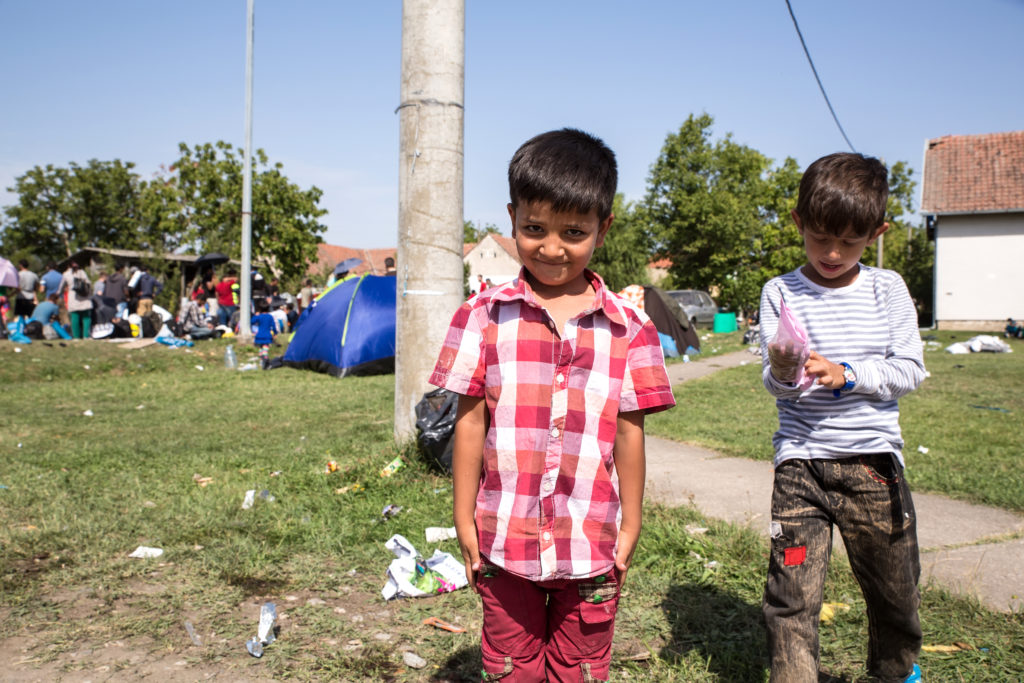
Migrant children, especially those traveling alone, are among the most vulnerable to violence on the Balkan route to the EU. Croatia, as a key transit country and EU border state, is frequently named in testimonies for its harsh treatment of migrants. According to reports from Save the Children, many children experienced physical abuse, theft, and humiliation at the hands of Croatian police (Arbutina, 2022).
Firsthand accounts describe beatings, destruction of personal belongings, and forced returns (“pushbacks”) without proper legal procedures. Some children also witnessed or experienced sexual violence, both from smugglers and during interactions near the border. Despite the seriousness of these abuses, most incidents go unreported due to fear, shame, or a sense that such violence is “normal” (Arbutina, 2022).
Despite Croatia’s position on major migration routes and increasing numbers of foreign workers, educational data reveal a paradoxical trend. PISA research shows that the percentage of migrant-origin students in Croatian schools decreased from 12% in 2012 to 9% in 2022, suggesting many migrant children remain outside the formal education system (Martinović, 2023).
The decline in migrant student enrolment despite continued migration pressures suggests systematic exclusion rather than successful integration. Educational authorities’ indifference to migrant-specific challenges, combined with documented border violence, creates a system that prioritizes deterrence over child protection and integration over humanitarian obligations (Martinović, 2023).
Environmental challenges
Croatia’s Constitution explicitly guarantees the right to a healthy environment, making environmental safeguarding a core legal value. Article 70 affirms the state’s duty to ensure conditions for a healthy life and protect human health. This is reinforced by national laws on environmental protection, waste and water management, forming a strong legal foundation for safeguarding children’s health (Fundamental Rights Agency, n.d.).
These legal measures have contributed to notable progress in some areas. For instance, access to clean drinking water is generally high across the country. According to Eurostat, only 0.6% of the population lacked basic sanitary facilities in 2020, well below the EU average of 1.6%, indicating effective infrastructure in many parts of Croatia. However, despite this progress, rural areas remain disproportionately affected (BTI, 2024).
To address these challenges, Croatia has committed to a range of strategic actions under its 2030 National Development Strategy. The government is investing in green infrastructure to protect public health. Modern waste-treatment facilities are being phased in to replace landfills and investments up to €6 billion are planned for renewable energy by 2030 (European Environment Agency, 2020).
Written by Lidija Misic
Last updated on May 26, 2025
Bibliography:
Arbutina Zoran (2022), Djeca-migranti – najnemoćnije žrtve nasilja. Retrieved from Deutsche Welle at https://www.dw.com/hr/djeca-migranti-najnemo%C4%87nije-%C5%BErtve-nasilja/a-63124515, accessed on June 1, 2025.
Bracewell C.W. et al. (2025), Croatia. Retrieved from Britannica at https://www.britannica.com/place/Croatia, accessed on May 16, 2025.
BTI (2024), Croatia Country Report 2024. Retrieved from BTI at https://bti-project.org/en/reports/country-report/HRV accessed on May 19, 2025.
Coneo (n.d.), New Parental Rights in Croatia. Retrieved from Coneo at https://www.coneo.hr/blog/news/new-parental-rights-in-croatia-increased-benefits/, accessed on May 25, 2025.
Council of Europe (n.d.), Child unable to discover identity of her father for 5 years – and reforms to protect children’s rights. Retrieved from Council of Europe at https://www.coe.int/en/web/impact-convention-human-rights/-/child-unable-to-discover-identity-of-her-father-for-5-years-and-reforms-to-protect-children-s-rights, accessed on May 25, 2025.
Council of Europe (n.d.), Implementing the Barnahus Model in Croatia. Retrieved from the Council of Europe at https://www.coe.int/en/web/children/barnahus-croatia, accessed on May 19, 2025.
EEA and Norway Grants (2017), The murder of Luka (18) made Croatians rise up against violence. Retrieved from EEA and Norway Grants at https://eeagrants.org/news/murder-luka-18-made-croatians-rise-against-violence, accessed on May 26.2025.
End Corporal Punishment (2020), Corporal punishment of children in Croatia. Retrieved from End Corporal Punishment at https://www.endcorporalpunishment.org/wp-content/uploads/country-reports/Croatia-3.pdf, accessed on May 19, 2025.
European Environment Agency (2020), Croatia country profile – SDGs and the environment. Retrieved from EEA at https://www.eea.europa.eu/themes/sustainability-transitions/sustainable-development-goals-and-the/country-profiles/croatia, accessed on May 19, 2025.
European Roma Rights Centre (2006), Investigations into Forced Child Labour in Croatia. Retrieved from ERRC at https://www.errc.org/roma-rights-journal/investigations-into-forced-child-labour-in-croatia, accessed on May 19, 2025.
European Union (n.d.), EU Countries: Croatia. Retrieved from EU at https://european-union.europa.eu/principles-countries-history/eu-countries/croatia_en, accessed on May 25, 2025.
Eurydice (2023), Croatia: Organisation and governance. Retrieved from Eurydice at https://eurydice.eacea.ec.europa.eu/eurypedia/croatia/organisation-education-system-and-its-structure, accessed on May 25, 2025.
Fundamental Rights Agency (n.d.), Constitution of the Republic of Croatia. Retrieved from FRA at https://fra.europa.eu/en/law-reference/constitution-republic-croatia-25#, accessed on May 19, 2025.
Government of the Republic of Croatia (n.d.), Children’s rights. Retrieved from e-Citizen at https://gov.hr/en/children-s-rights/710, accessed on May 25, 2025.
Government of the Republic of Croatia (n.d.), Work of children and minors. Retrieved from e-Citizen at https://gov.hr/hr/rad-djece-i-maloljetnika/826?lang=en, accessed on May 26, 2025.
Grad Zagreb (2025), Grad Zagreb u suradnji s UNICEF-om provodi program prevencije vršnjačkog nasilja u školama. Retrieved from Grad Zagreb at https://zagreb.hr/grad-zagreb-u-suradnji-s-unicef-om-provodi-program/207223, accessed on May 26, 2025.
Klasnić Ksenija et al. (2020), UKLJUČIVANJE ROMA U HRVATSKO DRUŠTVO žene, mladi i djeca. Retrieved from Government of the Republic of Croatia at https://pravamanjina.gov.hr/UserDocsImages/arhiva/2024/Uklju%C4%8Divanje%20Roma%20u%20hrvatsko%20dru%C5%A1vo%20-%20%C5%BEene,%20mladi%20i%20djeca.pdf, accessed on May 26, 2025.
Martinović Ljerka Bratonja (2023), Broj stranih radnika raste u Hrvatskoj, ali se broj djece migrantskog porijekla u našim školama – smanjuje. Retrieved from Novi List at https://www.novilist.hr/novosti/hrvatska/broj-stranih-radnika-raste-u-hrvatskoj-ali-se-broj-djece-migrantskog-porijekla-u-nasim-skolama-smanjuje/, accessed on June 1, 2025.
Mestrovic Julije et al. (2016), The Child Health Care System of Croatia. Retrieved from The Journal of Pediatrics at https://www.jpeds.com/article/S0022-3476(16)30143-3/fulltext, accessed on May 25, 2025.
Minority Rights Group (n.d.), Central and Eastern Europe: Croatia. Retrieved from Minority Rights Group at https://minorityrights.org/country/croatia/, accessed on May 25, 2025.
Novak Dubravka (2025), PORAST NASILJA Sve više povreda prava djece. Evo čemu su najmlađi izloženi. Retrieved from Nacional at https://www.nacional.hr/porast-nasilja-sve-vise-povreda-prava-djece-evo-cemu-su-najmladi-izlozeni/, accessed on May 26, 2025.
Office for Gender Equality of the Government of the Republic of Croatia (2024), Comprehensive national-level review: The Republic of Croatia. Retrieved from UN Women at https://www.unwomen.org/sites/default/files/2024-09/b30_report_croatia_en.pdf, accessed on May 19, 2025.
OPIC (2022), Ratification Status. Retrieved from OPIC at https://opic.childrightsconnect.org/ratification-status/., accessed on May 16, 2025.
Pravobranitelj za djecu (2018), Homepage – Ombudsman for Children. Retrieved from Pravobranitelj za djecu at https://dijete.hr/en/homepage-ombudsman-for-children/, accessed on May 19, 2025.
Society Our Children (2019), Children’s Right in Croatia. Retrieved from Society Our Children at https://djecja-prava.dnd-opatija.hr/en/childrens-rights-today, accessed on May 19, 2025.
Sušac Nika et. al. (2012), Peer Violence among Children in Croatia – Incidence and Relations to Social and Economical Factors (CROSBI ID 592719). Retrieved from CroRIS at https://www.croris.hr/crosbi/publikacija/prilog-skup/592719, accessed on May 26, 2025.
Trading Economics (n.d.), Croatia – Children Out Of School, Primary. Retrieved from Trading Economics at https://tradingeconomics.com/croatia/children-out-of-school-primary-wb-data.html, accessed on May 19, 2025.
UNHCR (2009), 2008 Findings on the Worst Forms of Child Labor – Croatia. Retrived from UNHCR at https://www.refworld.org/reference/annualreport/usdol/2009/en/70041, accessed on May 19, 2025.
UNHCR (n.d.), UN Treaty Body Database. Retrieved from UNHR at https://tbinternet.ohchr.org/_layouts/15/TreatyBodyExternal/Treaty.aspx?CountryID=43&Lang=EN, accessed on May 19, 2025.
United Nations International Criminal Tribunal for the Former Yugoslavia (n.d.), The Conflicts. Retrieved from the United Nations International Criminal Tribunal for the Former Yugoslavia at https://www.icty.org/en/about/what-former-yugoslavia/conflicts, accessed on May 16, 2025.
UNICEF Hrvatska (n.d.), U najbogatijim zemljama svijeta jedno od petero djece živi u riziku od siromaštva. Retrieved from UNICEF Hrvatska at https://www.unicef.org/croatia/Djecje-siromastvo-usred-bogatstva, accessed on June 1, 2025.
University of Minnesota (2004), Concluding Observations of the Committee on the Rights of the Child, Croatia, U.N. Doc. CRC/C/15/Add.243 (2004). Retrieved from the University of Minnesota at http://hrlibrary.umn.edu/crc/croatia2004.html#:~:text=Concluding%20observations%3A%20Croatia, accessed on May 19, 2025.
U.S. Department of State (2008), Croatia. Retrieved from the U.S. Department of State at https://2009-2017.state.gov/j/drl/rls/hrrpt/2007/100553.htm, accessed on May 19, 2025.
Vlada Republike Hrvatske (2024), Država stala u potporu djeci: osniva se alimentacijski fond, povećava iznos potpore i produžuje njeno vremensko trajanje. Retrieved from Vlada Republike Hrvatske at https://vlada.gov.hr/vijesti/drzava-stala-u-potporu-djeci-osniva-se-alimentacijski-fond-povecava-iznos-potpore-i-produzuje-njeno-vremensko-trajanje/43337?lang=lv, accessed on June 1, 2024.
[1] This article by no means purports to give a full or representative account of children’s rights in Croatia; indeed, one of the many challenges is the scant updated information on Croatian children, much of which is unreliable, not representative, outdated, or simply non-existent.