
Realizing Children’s Rights in Finland


Although Finland is internationally recognized for its low levels of inequality, high employment rates, effective education system, and overall high standard of living, children—especially those from minority backgrounds—continue to face significant barriers in the realisation of their rights. Challenges such as discrimination, poverty, abuse, and mental health issues persist and undermine the well-being of many children.
Population: 5.6 million
Pop. ages 0-14: 16.6%
Life expectancy: 82.78
Under-5 mortality rate: 1.34‰
Finland at glance
Finland is a country located in Northern Europe. Finland is one of the world’s northernmost countries. It is also one of the most geographically remote. It forms a symbolic northern border between Western and Eastern Europe. Finland gained independence on 6 December 1917 and is officially bilingual, with Finnish and Swedish as its two national languages. Almost nine-tenths of the population speaks Finnish.
Finland borders Norway to the north, Russia to the east, the Gulf of Finland to the south, the Gulf of Bothnia to the southwest, and Sweden to the northwest. The country’s territory also includes the autonomous Åland Islands archipelago.
The northern part of the country has a harsh climate, which has resulted in most people living in the southern part of Finland. About one-fifth of the country’s population lives in and around Helsinki, Finland’s largest city (Britannica, 2025).
Status of children’s rights [1]
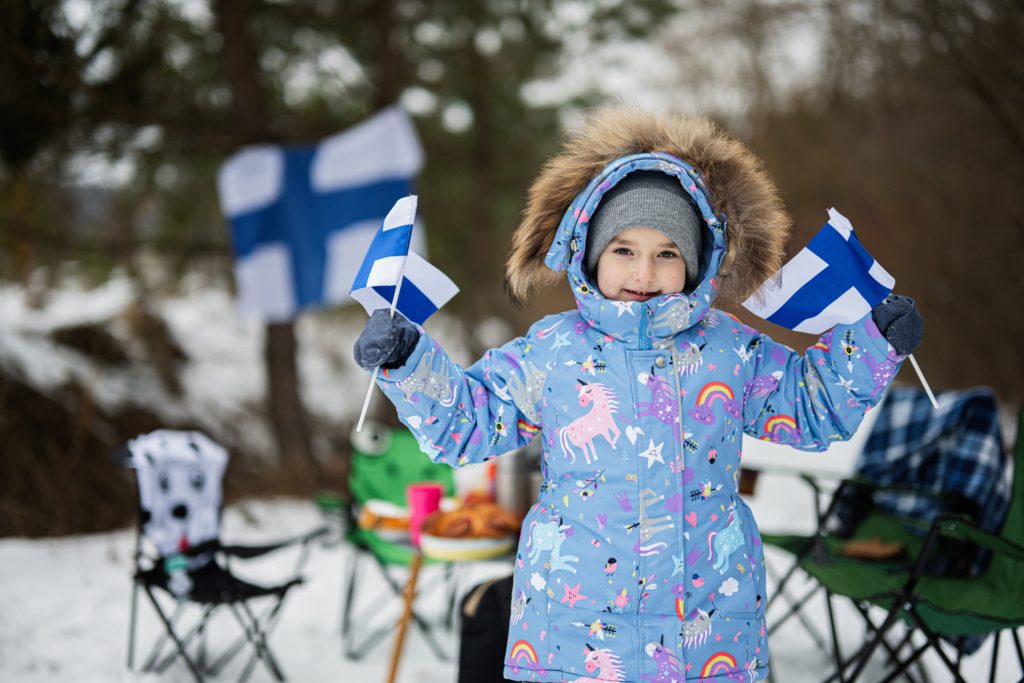
Following its independence, Finland joined the United Nations in 1955 (Britannica, 2025). Consequently, Finland ratified the Convention on the Rights of the Child on the 20 June 1991, the Optional Protocol to the Convention on the Rights of the Child on the Involvement of Children in Armed Conflict on the 10 April 2002, and the Optional Protocol to the Convention on the Rights of the Child on the sale of children, child prostitution and child pornography on 1 June 2002 (United Nations Human Rights Treaty Bodies, n.d.).
Finland also ratified other international human rights instruments, namely, the International Covenant on Civil and Political Rights on 19 August 1975, the International Covenant on Economic, Social and Cultural Rights on 14 July 1970, and the Convention on the Elimination of All Forms of Discrimination against Women on 4 December 1975 (United Nations Human Rights Treaty Bodies, n.d.).
Finland became a member of the European Union (EU) on 1 January 1995. Since then, Finland has committed to upholding the EU rights of children, which includes the EU strategy on the rights of the Child, and the rights of children as enshrined in the Treaty of the EU and with the European Commission.
Addressing the needs of children in Finland
Right to education
The education system in Finland is well-known for being of a high quality, equitable and innovative. It provides education free of charge from early childhood through to higher education. Prior to formal education, parents can enrol their children in childcare or preschool, where they concentrate on recreation and interpersonal activities. The government makes education compulsory for children from ages seven to 16. According to the legislation, all children are given equal opportunities to learn during this time (Info Finland, 2024).
Upon completion of their primary education, students have the option of pursuing either a general academic education (lukio) or a vocational education (ammattioppilaitos), both of which span a duration of three years. This stage prepares students for higher education or the workforce, equipping them with the skills and knowledge they need to succeed in their future studies or careers.
A range of higher educational programmes is offered by Finland’s 17 universities and 27 universities of applied sciences. Higher education is widely accessible since it is largely free. The Finnish education system emphasises equal opportunities for all students, regardless of their socio-economic background. It is designed as such to provide a comprehensive and inclusive learning environment to all children.
As education is funded by taxes, it remains affordable for Finnish families. Teachers in Finland are highly trained professionals, often holding master’s degrees, and the education system there is regarded as being one of the best in the world. (OCHR, n.d.; Future Policy, 2021).
Children benefit from playtime and outdoor activities and this ensures their well-being, which is a priority in the Finnish education system. The enhancement of learning outcomes is believed to be the result of this comprehensive approach.
Finland’s education system is known for its focus on providing high-quality teaching and its emphasis on student well-being. This commitment to children’s wellbeing and education has allowed Finland to gain a reputation as one of the most respected educational models in Europe (World Economic Forum, 2025).
Right to health
The Finnish healthcare system is comprehensive and inclusive, with equal access for all. Regardless of their income, permanent residents in Finland are entitled to affordable public healthcare. Municipal health centres and district hospitals are the providers of such services. Individuals in Finland, no matter what their nationality or residence status, should have access to emergency medical care. In practice, however, access for undocumented children may be limited by administrative barriers. (Info Finland, 2025; Ministry of Social Affairs, n.d.).
In order to receive affordable healthcare in Finland, it may be required to present a certificate of entitlement to medical care, such as a European Health Insurance Card (‘EHIC’) or a document issued by Kela (Finland’s social insurance institution). If a person is a beneficiary of Finnish national health insurance, it is also possible that Kela provides a reimbursement for a proportion of the healthcare expenses from private clinics. Thereby, dignified, high-quality care, privacy, and clear communication about treatment options are rights that patients currently hold in Finland (Kela Finland, 2025; EU Healthcare, 2024).
Right to protection
A set of fundamental rights and human rights provides legal protection afforded to children in Finland. It is the duty of a public authority to safeguard and promote these rights (Human Rights Centre, n.d.). The right to protection is firmly established in both the Finnish Constitution and International Human Rights Law.
The Constitution of Finland protects several civil rights, including the right to equality before the law, the right to life, freedom of speech and press, freedom of religion, the right to privacy, and freedom of movement. It also protects cultural rights, meaning that everyone in Finland has the right to use their native language and to receive education in such a language. Furthermore, the Constitution provides protection against torture and inhuman treatment and enshrines the right to a fair trial. It also guarantees social rights, including access to housing, healthcare, education, culture, and social security for all individuals living in Finland (USCIS Guide, n.d.).
Finland places a strong emphasis on protecting children’s rights and ensures that every child is protected and cared for. Every child has the right to a safe and happy childhood. Similarly, all children are entitled to the right to mature and pursue their education, in addition to engaging in recreational activities and participating in society (Lastensuojelu, 2022; Info Finland, 2025).
Several entities are responsible for the laws governing the protection of children in Finland. The Ministry of Social Affairs and Health is responsible for drafting laws to protect children and for providing general guidance for services supporting children. Moreover, the Parliamentary Ombudsman (Eduskunnan oikeusasiamies) and the Ombudsman for Children (lapsiasivaltuutettu) supervise the safeguarding of the rights of the child (Ministry of Social Affairs and Health, n.d.; Info Finland, 2025).
Risk factor –> Country-specific challenges
Child abuse
Despite the favourable environment Finland tries to set up for children, children still face various forms of abuse. It first starts by facing bullying and cyberbullying, most of the time starting in school. As an example, cyberbullying has been affecting 8 percent of children in Finland in 2025 (Cyberbullying Research Center, 2022).
Furthermore, children face physical and sexual abuse. In a 2019 survey, approximately 13% of girls and 8% of boys reported having been subjected to physical violence by adults entrusted with their care, taking forms of pushing, shaking and hitting. More severe violence, such as kicking or hitting with objects, was less common, but still reported by around 3%. Moreover, around 6% of girls and 2% of boys disclosed having engaged in sexual activities with adults, encompassing touching, exposure to pornography, or intercourse. Most cases involved individuals over the age of 14, and intra-familial abuse was rare (HUS, 2025).
In 2023, it was found that sexual abuse and exploitation were on the rise in Finland. Indeed, a “total of 2,660 and 3,210 child victims of sexual crimes were reported to the police in 2020 and 2021 respectively” (Council of Europe, 2023). This included cases of sexual abuse, aggravated sexual abuse and aggravated rape. In addition, children in Finland also suffer from sexual harassment.
Over the decades, there has been a slight decline in the rates of abuse, with Finland also implementing reforms and policies to its welfare system that prioritise the rights and safety of children, centred on the needs of children (HUS, 2025; Oxford Academy, 2011; Council of Europe, 2023).
Child poverty
Although Finland has usually reported low rates of child poverty, recent policy changes have sparked serious concern. Reductions in child supplements, housing assistance, and unemployment benefits have intensified financial hardship, leading to a rise of 17,000 children living in low-income households in 2024 alone (Helsinki Times, 2025).
Since 2023, vulnerable families have been affected by cuts to social security and this has been impacting them economically, particularly the families headed by single parents. Indeed, children in a single-parent household are more likely to experience poverty than those in two-parent families. Additional risk factors include migrant status, large family size, and having caregivers with disabilities. Finland’s strategy to lower poverty risk for 100,000 individuals by 2030—one-third of whom are children—now appears in jeopardy amid these troubling indicators (Helsinki Times, 2023; Euro Child, 2025).
Children with disabilities
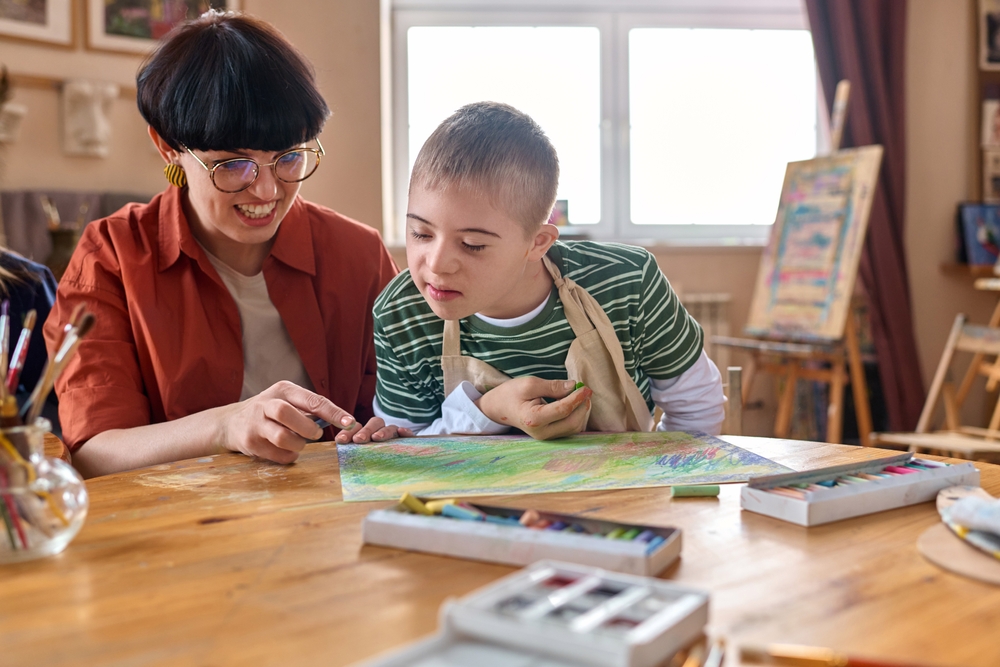
In line with the welfare system set up by Finland, children with disabilities and their families are supported. Educational special needs have been included in the mainstream educational system. An Early Childhood Education and Care (ECEC) is established to promote equality among children and prevent social exclusion. Accordingly, special ECEC teachers are integrated into schools (European Agency for Special Needs and Inclusive Education, 2020). To this day, issues still arise, and children with disabilities are faced with various challenges.
First, the legislation in Finland does not provide specific protection to girls with disabilities. Second, bullying remains a common problem suffered by children with disabilities. Third, children face obstacles in school in that services provided to them (i.e., translation, assistance, special measures, inclusion in the mainstream school system) are limited and not afforded to all children in need (European Parliament, 2013).
Discrimination
Children from minority and immigrant backgrounds in Finland continue to face persistent discrimination, manifested through hate crimes, verbal abuse, and various forms of harassment. Girls from religious minorities are particularly affected, often subjected to intrusive inquiries and cultural stereotyping (OCHR, n.d.).
According to several rights organizations, minority students are disproportionately disadvantaged within the educational system and could be at risk of dropping out of school. Limited access to culturally relevant learning materials and native-language instruction further impedes their academic success (OCHR, n.d.).
Although Finland has instituted equality frameworks across schools and public services, implementation remains uneven across regions. To that end, the Non-Discrimination Act mandates that every municipality, school, and educational institution establish and monitor comprehensive strategies to uphold and advance equity in all aspects of their work (Info Finland, 2025; EU Commission, 2025).
Displaced children
Unaccompanied minors, being particularly at risk, benefit from customized assistance that encompasses accommodation, schooling, and mental health support. Reception centres—such as group homes or specialized support units—provide most children with access to healthcare, education, and social services (Ministry of Social Affairs and Health, 2018). Although Finland provides legal protections and essential services for child refugees and asylum seekers, problems persist.
Many displaced children, particularly those over the age of 16, endure prolonged detention—sometimes in facilities shared with adults. Due to stringent asylum regulations, numerous applicants face rejection or deportation before their claims are fully examined.
Following recent amendments to the Aliens Act effective May 2025, Finland has expanded the maximum detention duration for foreign nationals, including migrant children. Additionally, Finland has implemented a directed residence policy for unaccompanied minors aged 15 to 17. While not officially classified as detention, this measure significantly limits their freedom of movement and may infringe upon their right to education (Info Finland, 2025; Finnish Immigration Service, 2025; Helsinki Times, 2025).
Girls’ rights
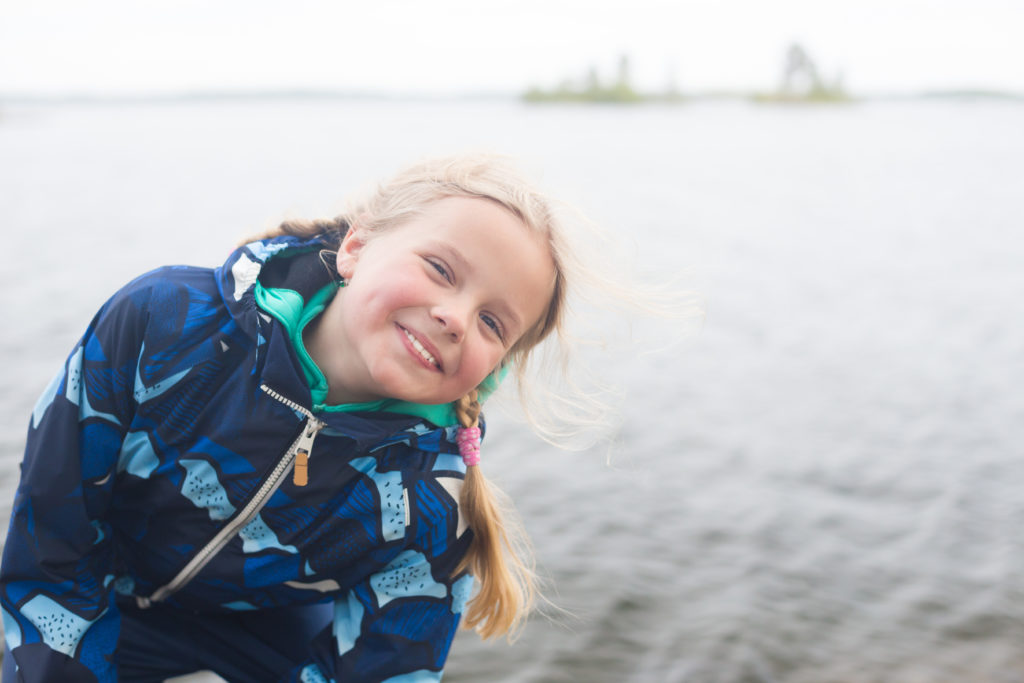
The promotion of girls’ rights remains a priority in Finland’s development policy. Finland’s constant actions towards gender equality have led to girls’ gain in autonomy and their improved access to inclusive and gender-sensitive primary and secondary education, to health services, and to participate in economic activities and decision-making concerning their livelihoods (The Borgen Project, 2020). While efforts from the Finnish government have led to significant improvements for girls’ rights, girls still face sexual and physical violence in Finland.
Moreover, migrant women are disproportionately affected as they face additional racism and harassment (Yle News, 2019). Since then, Finland has promoted a 2020-2023 Action Plan for Gender Equality and has enacted a 2022-2025 Action Plan for Combatting Violence against Women. Despite the reforms, groups of individuals are being left behind, and those are disabled women belonging to ethnic minorities, sexual and gender minorities (Views of Civil Society, 2025).
Child suicide
An estimated 90,000 children under the age of 13 in Finland are affected by mental health challenges, with cases involving serious conditions, such as suicidal ideation. Factors such as parental stress, excessive social media use and fast-paced lifestyles can hinder the emotional well-being of children (Yle News, 2018; The Borgen Project, 2021).
Although mental health services are publicly funded and embedded within school healthcare systems, a significant shortage of qualified therapists—particularly in areas outside major urban centres—results in extended wait times for treatment. Finland’s Mental Health Strategy 2020–2030 is positioned to address these issues by fostering early intervention, enhancing mental health literacy, and promoting inclusive care (Ministry of Social Affairs and Health, n.d.; Finnish Institute for Health and Welfare, 2024).
Children and addictions
In Finland, alcohol misuse impacts children both directly—through early exposure—and indirectly via parental substance dependency. Approximately 89,000 minors, or 8.7% of the child population, have at least one biological parent struggling with a serious substance abuse issue, predominantly related to alcohol (Nordic Alcohol and Drug Policy Network, 2024; Finnish Institute for Health and Welfare, 2024).
Adolescents in Finland consume alcohol at rates exceeding the European average, often with the specific aim of becoming intoxicated. Alarmingly, many teenagers appear to underestimate the health consequences associated with binge drinking. While Finland has established preventive measures such as family therapy and school-based programs, numerous children remain unidentified by social services, particularly in households where substance abuse is also concealed.
Environmental issues
Greenhouse gas emissions continue to pose environmental challenges in Finland, with peat and coal usage remaining key contributors. These environmental concerns affect children’s health, development, and long-term well-being. Air pollution—stemming from urban traffic and energy production—persists, and even minimal exposure can impair the cognitive functions and academic performances of children (Child Rights International Network, 2023; USCIS Guide, n.d.). Finland has now set an ambitious target of achieving carbon neutrality by 2035, supported by significant investments in renewable and nuclear energy sources (World Economic Forum, 2023).
Written by Moïra Phuöng Van de Poël
Last updated on 31 July 2025
Bibliography:
Britannica (2025, July 15). Finland. Retrieved from Britannica at https://www.britannica.com/place/Finland, accessed in July 2025.
Child Rights International Network (2023, August). Children’s access to justice for environmental rights. Retrieved from Child Rights International Network at https://static1.squarespace.com/static/5afadb22e17ba3eddf90c02f/t/64edc30e590e3b30607b205d/1693303584383/Childrens-Access-to-Justice-for-Environmental-Rights-Report-Finland.pdf, accessed in July 2025.
Council of Europe (2023, April 13). Despite Finland’s high standards for protecting children against sexual violence and guaranteeing their well-being, some gaps remain. Retrieved from Council of Europe at https://www.coe.int/en/web/children/-/launch-of-the-joint-country-overview-for-finland-ending-child-sexual-exploitation-and-abuse, accessed in July 2025.
Cyberbullying Research Center (2022, June 15). Cyberbullying and Associated Factors in Member Countries of the European Union: A Systematic Review and Meta-Analysis of Studies with Representative Population Samples. Retried from Cyberbullying Research Center at https://www.mdpi.com/1660-4601/19/12/7364, accessed in July 2025.
EU Commission (2025, June 17). Initiatives promoting social inclusion and raising awareness. Retrieved from EU Commission at https://national-policies.eacea.ec.europa.eu/youthwiki/chapters/finland/45-initiatives-promoting-social-inclusion-and-raising-awareness, accessed in July 2025.
EU Healthcare (2024, December 17). Proving your right to treatment in Finland. Retrieved from EU Healthcare at https://www.eu-healthcare.fi/healthcare-in-finland/using-health-services-in-finland/proving-your-right-to-treatment-in-finland/?form=MG0AV3, accessed in July 2025.
Euro Child (2025, June 17). Child poverty on the rise in Finland. Retrieved from Euro Child at https://eurochild.org/news/child-poverty-on-the-rise-in-finland/?form=MG0AV3, accessed in July 2025.
European Agency for Special Needs and Inclusive Education (2020, March 24). Country information for Finland – Systems of support and specialist provision. Retrieved from European Agency for Special Needs and Inclusive Education at https://www.european-agency.org/country-information/finland/systems-of-support-and-specialist-provision, accessed in July 2025.
European Parliament (2013). Country Report on Finland for the Study on Member States’ Policies for Children with Disabilities. Retrieved from European Parliament at https://www.europarl.europa.eu/RegData/etudes/etudes/join/2013/474420/IPOL-LIBE_ET(2013)474420_EN.pdf, accessed in July 2025.
Finnish Immigration Service (2025, May 6). Entry ban and maximum detention period extended, more detailed provisions given on the right to reside in Finland after a decision on removal from the country. Retrieved from Finnish Immigration Service at https://migri.fi/en/-/entry-ban-and-maximum-detention-period-extended-more-detailed-provisions-given-on-the-right-to-reside-in-finland-after-a-decision-on-removal-from-the-country?form=MG0AV3, accessed in July 2025.
Finnish Institute for Health and Welfare (2024, March 8). Children and young people’s mental health. Retrieved from Finnish Institute for Health and Welfare at https://thl.fi/en/research-and-development/research-and-projects/national-mental-health-strategy-2020-2030/children-and-young-people-s-mental-health?form=MG0AV3, accessed in July 2025.
Finnish Institute for Health and Welfare (2024, May 28). 89,000 children in Finland have a biological parent with a serious substance abuse problem. Retrieved from https://thl.fi/en/-/89-000-children-in-finland-have-a-biological-parent-with-a-serious-substance-abuse-problem?languageId=en_US&form=MG0AV3, accessed in July 2025.
Future Policy (2021). Finland’s Basic Education Act & General Education Policy. Retrieved from Future Policy at https://www.futurepolicy.org/rightsofchildren/finlands-basic-education-act/#, accessed in July 2025.
Helsinki Times (2023, December 6). Finland ranks poorly in UNICEF child poverty comparison. Retrieved from Helsinki Times at https://www.helsinkitimes.fi/world-int/24565-finland-ranks-poorly-in-unicef-child-poverty-comparison.html?form=MG0AV3, accessed in July 2025.
Helsinki Times (2025, May 6). Finland tightens immigration rules with longer entry bans and detention. Retrieved from Helsinki Times at https://www.helsinkitimes.fi/finland/finland-news/domestic/26800-finland-tightens-immigration-rules-with-longer-entry-bans-and-detention.html, accessed in July 2025.
Helsinki Times (2025, May 16). One in ten Finnish children face material deprivation as poverty surges. Retrieved from Helsinki Times at https://www.helsinkitimes.fi/finland/finland-news/domestic/26871-one-in-ten-finnish-children-face-material-deprivation-as-poverty-surges.html, accessed in July 2025.
Human Rights Centre (n.d.). Fundamental and Human Rights in Finland. Retrieved from Human Rights Centre at https://www.humanrightscentre.fi/human-rights/fundamental-and-human-rights-in-/, accessed in July 2025.
HUS (2025). Child abuse. Retrieved from HUS at https://www.hus.fi/en/patient/treatments-and-examinations/children-and-adolescents/child-abuse?form=MG0AV3, accessed in July 2025.
Info Finland (2024, December 16). The Finnish education system. Retrieved from Info Finland at https://www.infofinland.fi/en/education/the-finnish-education-system, accessed in July 2025.
Info Finland (2025, March 3). Asylum in Finland. Retrieved from Info Finland at https://www.infofinland.fi/moving-to-finland/non-eu-citizens/asylum-in-finland?form=MG0AV3, accessed in July 2025.
Info Finland (2025, April 22). Health services in Finland. Retrieved from Info Finland at https://www.infofinland.fi/health/health-services-in-finland?form=MG0AV3, accessed in July 2025.
Info Finland (2025, March 25). Children’s and youths’ rights and obligations. Retrieved from Info Finland at https://www.infofinland.fi/family/children/childrens-and-youths-rights-and-obligations?form=MG0AV3, accessed in July 2025.
Info Finland (2025, June 26). Equality and non-discrimination. Retrieved from Info Finland at https://www.infofinland.fi/information-about-finland/equality-and-non-discrimination?form=MG0AV3, accessed in July 2025.
Kela Finland (2025, March 19). Entitlement to medical care in Finland. Retrieved from Kela Finland at https://www.kela.fi/medical-care-entitlement-finland?form=MG0AV3, accessed in July 2025.
Lastensuojelu (2022). The rights of the child. Retrieved from Lastensuojelu at https://www.lastensuojelu.info/en/parenthood-and-relationship/the-rights-of-the-child/?form=MG0AV3, accessed in July 2025.
Ministry of Social Affairs and Health (2018, March 6). All children who are in Finland are protected, including children seeking asylum. Retrieved from Ministry of Social Affairs and Health at https://stm.fi/en/-/suomessa-suojellaan-kaikkia-lapsia-myos-turvapaikanhakijoita?form=MG0AV3, accessed in July 2025.
Ministry of Social Affairs and Health (n.d.). School health care. Retrieved from Ministry of Social Affairs and Health at https://stm.fi/en/school-health-care?form=MG0AV3, accessed in July 2025.
Ministry of Foreign Affairs (n.d.). The status and rights of clients and patients. Retrieved from Ministry of Foreign Affairs at https://stm.fi/en/client-and-patient-rights?form=MG0AV3, accessed in July 2025.
Ministry of Social Affairs and Health (n.d.). Child welfare. Retrieved from Ministry of Social Affairs and Health at https://stm.fi/en/social-services/child-welfare?form=MG0AV3, accessed in July 2025.
Nordic Alcohol and Drug Policy Network (2024, May 28). In Finland, 89,000 minors have or have had a biological parent with a severe substance abuse problem. Retrieved from Nordic Alcohol and Drug Policy Network at https://www.nordicalcohol.org/post/in-finland-89-000-minors-have-or-have-had-a-biological-parent-with-a-severe-substance-abuse-problem?form=MG0AV3, accessed in July 2025.
OCHR (n.d.). Finland. Retrieved from OCHR at https://www.ohchr.org/sites/default/files/Documents/Issues/Women/WRGS/EveryGirl/Finland.pdf, accessed in July 2025.
Oxford Academy (2011). Combatting Child Abuse in Finland: From Family to Child-centered Orientation. Retrieved from Oxford Academy at https://academic.oup.com/book/42637/chapter-abstract/358126538?redirectedFrom=fulltext, accessed in July 2025.
The Borgen Project (2020, October 6). The progress of women’s rights in Finland. Retrieved from The Borgen Project at https://borgenproject.org/womens-rights-in-finland/, accessed in July 2025.
The Borgen Project (2021, June 1). Mental health in Finland: the world’s happiest country. Retrieved from The Borgen Project at https://borgenproject.org/mental-health-in-finland/?form=MG0AV3, accessed in July 2025.
USCIS Guide (n.d.). Climate Change and Environmental Issues in Finland. Retrieved from USCIS Guide at https://www.uscisguide.com/information/climate-change-and-environmental-issues-in-finland/, accessed in July 2025.
USCIS Guide (n.d.). Legal Rights and Protections in Finland. Retrieved from USCIS Guide at https://www.uscisguide.com/international/legal-rights-and-protections-in-finland/?form=MG0AV3, accessed in July 2025.
United Nations Human Rights Treaty Bodies (n.d.). View the ratification status by country or by treaty – Finland. Retrieved from United Nations Human Rights Treaty Bodies at tbinternet.ohchr.org/_layouts/15/TreatyBodyExternal/Treaty.aspx?CountryID=11&Lang=EN, accessed in July 2025.
Views of Civil Society (2025). Voluntary National Review of 2025 of Finland. Retrieved from Views of Civil Society at https://fingo.fi/wp-content/uploads/2025/04/2025_VNR_Finland-2025_Fingos-civil-society-report_online-version.pdf, accessed in July 2025.
World Economic Forum (2023, June 1). Finland is on track to meet some of the world’s most ambitious carbon neutrality targets. Retrieved from World Economic Forum at https://www.weforum.org/stories/2023/06/finland-carbon-neutral-2035-goals/?form=MG0AV3, accessed in July 2025.
World Economic Forum (2025). 10 reasons why Finland’s education system is the best in the world. Retrieved from World Economic Forum at https://www.weforum.org/stories/2018/09/10-reasons-why-finlands-education-system-is-the-best-in-the-world/#:~:text=Make%20the%20basics%20a%20priority,Individualised%20guidance, accessed in July 2025.
Yle News (2018, November 28). Children in Finland increasingly treated for mental health issues. Retrieved from Yle at https://yle.fi/a/3-10529653?form=MG0AV3, accessed in July 2025.
Yle News (2019, October 3). Report: Women and girls in Finland still face violence, poverty, harassment. Retrieved from Yle News at https://yle.fi/a/3-11004056#, accessed in July 2025.
[1] This article by no means purports to give a full or representative account of children’s rights in Finland; indeed, one of the many challenges is the scant updated information on Finland’s children, much of which is unreliable, not representative, outdated, or simply non-existent.