Realizing Children’s Rights in Belarus
The Republic of Belarus signed the Convention on the Rights of the Child (CRC) in 1990 and ratified it in 1992. Despite several improvements in recent years, especially in reducing child poverty, Belarus remains one of the poorest countries in Europe. Moreover, violence against children, family separations, and health problems such as addiction to alcohol and psychoactive substances are still some of the main issues that hinder the fullest realization of children’s rights in the country.
Population: 9.1 million
Population ages 0-14: 7.6%
Life expectancy: 73.1 years
Under-5 mortality rate: 2.6 ‰
Belarus at a glance
Belarus is an Eastern European country bordering Russia to the east and north, Poland to the west, Ukraine to the south, and Lithuania and Latvia to the northwest (Renfro, 2024). Formerly known as Belorussia or White Russia, the country gained independence in 1991 (Britannica, n.d.). In 1994, three years after gaining independence, Aleksandr Lukashenko became president and has remained in office since his initial election (Renfro, 2024). Over the last three years, Lukashenko has reconfigured the country’s political system to secure his future by introducing constitutional guarantees of immunity for former presidents.
Belarus is home to over 9.1 million people (WHO, n.d.). Less than 20 percent of the population is under the age of 18, making it a country with one of the lowest birth rates globally (SOS Children’s Villages, n.d.). The relations between Belarus and the West are consistently low, while Russia wields immense economic and military influence within the country (Astapenia, 2025).
Status of Children’s Rights [1]
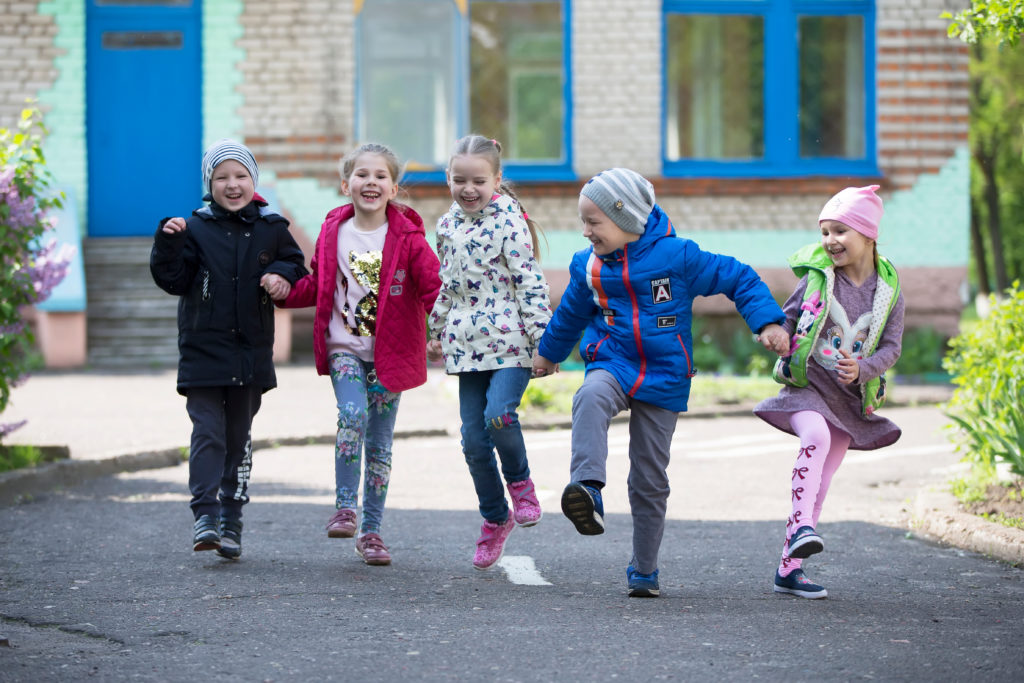
Belarus signed the Convention on the Rights of the Child (CRC) in 1990 and ratified it in 1992, formally committing to its principles and obligations (OHCHR, n.d.). As a state party, Belarus is responsible for ensuring the protection, survival, development, and participation of children within its jurisdiction. Belarus has also submitted periodic reports to the UN Committee on the Rights of the Child, demonstrating its efforts to comply with the Convention’s provisions. However, there have been ongoing concerns about the full implementation of children’s rights in the country.
Following the last State’s periodic reports (fifth and sixth), in 2020, the Committee on the Rights of the Child published its consideration regarding the current state of the implementation of the CRC. The main concerns regard violence against children, which remains inadequately addressed in national legislation, as well as family separation and drug use policies, which are often vague and open to abuse.
Moreover, the Committee on the Rights of the Child highlighted that the level of awareness of the CRC in the country remains low, particularly among children, their parents and professionals working with or for children (OHCHR, 2020). Promoting a culture grounded in children’s rights among children, parents, and the broader community enhances the potential for a more effective and comprehensive implementation of the CRC.
For this reason, initiatives to raise awareness of children’s rights are becoming more and more important, especially when integrated into educational pathways (LEARN | RIGHT, 2017). The State should intensify its awareness-raising efforts and ensure the inclusion of children’s rights in the school curriculum (OHCHR, 2020).
Addressing the Needs of Children
Right to life
Child poverty decreased to 10.4 percent in 2018 but remained significantly higher than the rate for the general population at 5.6 percent. Every fifth child lives in a single-parent household,4 with greater risks of poverty, especially if the child has a complex disability.
Existing unstable economic prospects, exacerbated by coronavirus disease 2019 (COVID-19), will likely threaten expenditure levels in social protection, education and health. Despite the equalizing effects of public spending and taxation, 5 underutilized performance-based budgeting limits the fiscal space to prevent and address child vulnerabilities (UNICEF, 2020).
Family policy and assistance in early childhood are generally sufficient, and Belarus is improving interventions for children with developmental delays. However, identification of cases usually starts at 2 years old, which is often too late for critical interventions. In 2019, 91 percent of children aged 3 to 5 years were covered by early childhood education (ECE), with the quality of services remaining an ongoing challenge.
Access to ECE is more limited for children from low-income families (80 percent), in rural areas (84.8 percent), and for children whose mothers have lower levels of education (66 percent). Children who do not attend ECE are less on track in literacy, numeracy, and socio-emotional domains (UNICEF, 2020).
One of the greatest challenges for families in Belarus is accessing sufficient support to stay together during difficult times. Although social support systems have improved in recent years, many families – especially in rural areas – are falling through the gaps (SOS Children’s Villages, n.d.).
In Belarus, children can be separated from their parents by state officials in cases where families, typically those with parents or a single parent, are deemed to be leading an “immoral life” with adverse impact on the child or where parents are substance abusers. Other grounds for separation may include “being out of employment or frequent change of workplace” for one of the parents, “unpaid utility bills” or “frequent requests for social assistance” (such as repeatedly contacting the local council with complaints and requests). In general, all the cases where the parents are not properly fulfilling their parental responsibilities could lead to the removal of the child (Our House, n.d.).
However, the law does not provide any definition of “all the other cases of not properly fulfilling parental responsibilities” (Our House, n.d.). This vagueness of definition creates space for power abuse and harassment, namely at the expense of politically active mothers for their social, political or journalistic work with the goal of silencing them or preventing them from seeking justice (Kruope, 2020).
Right to protection
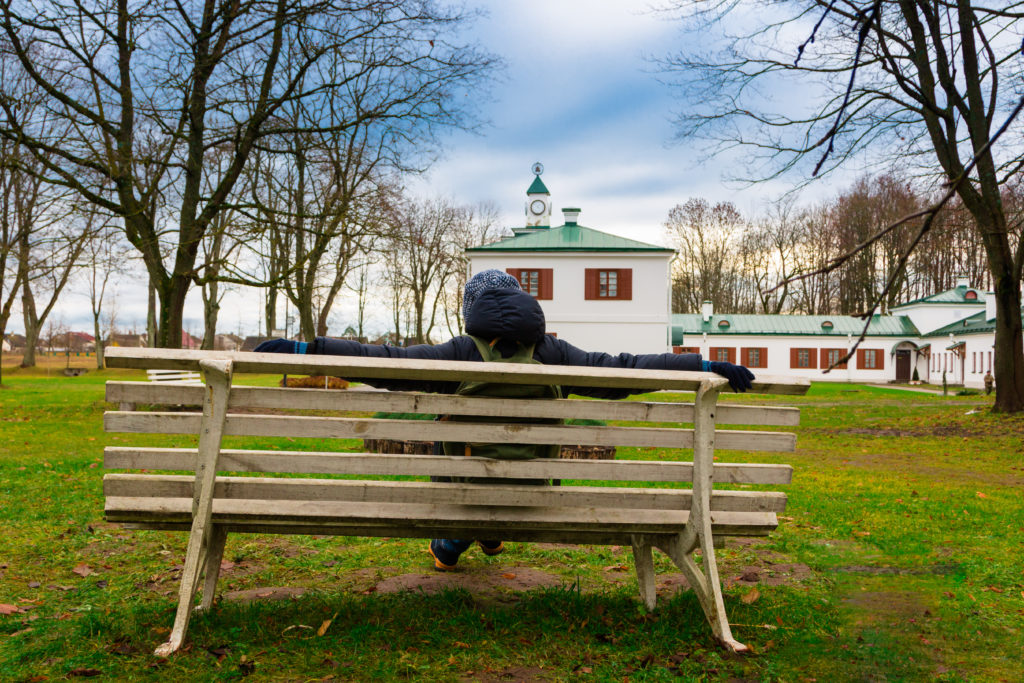
While only 9.4 percent of caregivers think that corporal punishment is necessary to raise children, 25.7 percent reported using physical discipline. Bullying by peers or older children was reported by 60.1 percent of fifth to seventh-graders from secondary schools and 82.1 percent of children in residential care institutions. From 2013 to 2019, the number of sexually related crimes committed against children rose twentyfold (70 percent of victims were girls and 30 percent were boys), with 80 percent happening over the Internet (UNICEF, 2020).
The Government has outlined measures to combat trafficking and sexual exploitation, yet no normative provision on the prevention of sexual or cyber violence against children exists to establish a comprehensive legislative response. Current legislation does not recognize threats such as Internet grooming and does not criminalize possession of child pornography (UNICEF, 2020).
Children in Belarus are often considered more as recipients of social protection than as rights holders. The Committee on the Rights of the Child has urged the State to ensure that children’s views are given due consideration in the family, at school, in the courts and all relevant administrative and other processes concerning them, including parental and alternative care, adoption and migration matters. Moreover, the State should encourage, promote and support the participation of all children in adolescent parliaments, paying particular attention to those in vulnerable situations, making the selection process more transparent and democratic and allocating adequate financial support to all young people’s organizations (CRC, 2020).
Right to health
In 2019, 6124 children were registered as using alcohol and psychoactive substances with harmful consequences. Alcohol use by adolescents and youth is greatly influenced by norms and practices in their social environment. Adolescents (aged 14 to 17 years) reported adults buying alcohol for them in 22.5 percent of the cases when they drank (UNICEF, 2020).
This aspect was also taken into account by the Committee on the Rights of the Child, which noted an absence of clear policies to prevent or address alcohol and tobacco addiction among youth as well as the lack of life skills education on preventing substance abuse and developing specialized accessible and youth-friendly drug-dependence treatment and harm-reduction services (CRC, 2020).
Approximately 18.2 percent of adolescents (aged 15 to 19 years) have symptoms of depression, and 26.1 percent have had suicidal thoughts. Depression and suicidal thoughts are positively correlated with strained relations with fathers, physical and psychological violence, alcohol consumption, situational anxiety, and an absence of life goals.
Available youth-friendly health services and school psychologists do not sufficiently consider the mental health of adolescents and youth, and do not reach the most vulnerable. Lack of knowledge about risk factors is compounded by a lack of skills to manage stress or deal with social pressure (UNICEF, 2020).
As a consequence of the nuclear disaster that affected the area of Chernobyl more than 39 years ago, more than 20 percent of adolescent children in Belarus suffer from disabilities caused by birth defects, such as congenital heart defects. This correlation is given to the fact that Belarus’s border with Ukraine is just 4 miles from the Chernobyl power plant, and it is estimated that Belarus absorbed 70 percent of the nuclear fallout (Guler, 2024).
Since 1990, Belarus has implemented five state programs to mitigate the consequences of the Chernobyl nuclear power plant accident. The sixth program will span the years 2021-2025. The main objectives of these programs are social protection of the affected population, unconditional compliance with radiation safety requirements, accelerated social and economic development and regeneration of the territories contaminated with radionuclides.
Since 1990, Belarus has spent $19.3 billion on program activities. These funds were used for people resettlement, village burial, social and economic development of the affected regions, production of clean products and many others (Republic of Belarus, 2022).
The high incidence of sexually transmitted infections (STIs) is still an urgent problem in Belarus. If in 2004 there were 1,466 cases for 100,000 persons, in 2006 the ratio was 1,729 per 100,000 persons – demonstrating a 1.9 percent increase. According to the research performed as part of the Global Fund project in 2007 (1500 young men and women aged 15-24 were surveyed), 63.3 percent of the respondents had already engaged in sexual intercourse.
The share of people who used condoms during their first sexual intercourse was 58.5 percent (2006 – 52.8 percent). With that, the main motive to refuse using a condom, according to 62.9 percent of respondents, was confidence in their partner, undermined sexual pleasure (17.3 percent) and no possibility of buying one (19.3 percent) (UNFPA, n.d.).
The State adopted a national strategy on the improvement of child and adolescent health, which aims to reduce the incidence of sexually transmitted infections and the abortion rate among children. However, Belarus should also develop a comprehensive sexual and reproductive health policy for adolescents and introduce sexual and reproductive health education into the mandatory school curriculum, with a focus on non-discrimination and sexual and reproductive rights, directing special attention to preventing adolescent pregnancy, high-risk sexual behaviour, HIV/AIDS and sexually transmitted infections and to the issues of sexual orientation and gender identity (CRC, 2020).
Risk Factors → Country-Specific Challenges
Sexual exploitation and abuse
Belarus is grappling with a significant increase in child sexual exploitation and abuse, particularly online and in relation to boys and children with disabilities, in the context of the expansion of Internet coverage. Societal and parental acceptance of sexual relationships between adults and children, including those that occur online, promotes a shallow understanding of the issue. This approach fails to consider the lasting consequences that such relationships can have on children and young people.
Societal and parental tolerance towards sexual relationships between adults and children, including online, in some regions, facilitates a superficial approach that does not take into account the consequences in the long term for children and youths. Finally, many professionals lack the necessary skills and training to provide appropriate assistance to child survivors of sexual exploitation and abuse. This gap contributes to an inadequate response to the needs of these children and to the underreporting of such cases (OHCHR, 2020).
Violence against children
Violent methods of discipline against children are widely accepted across Belarus, both at home and in alternative and daycare settings, with 74 percent of parents having used some form of violent punishment against their child or children (SOS Children’s Villages, n.d.). This violence persists in other areas, with high rates of bullying in schools being an example.
As regards the legal framework, corporal punishment is lawful in the home, whereas there is no explicit prohibition of corporal punishment in alternative care settings, and all early childhood care and daycare for older children. Corporal punishment in school is unlawful, though it is not explicitly prohibited, as well as in penal institutions (End Corporal Punishment, 2022).
Child trafficking
Due to child poverty, children are especially vulnerable to trafficking. According to Interpol, Belarus has been identified as the country in Eastern Europe with the single largest number of individuals identified in child abuse material. In 2013, there were a total of 91 victims in explicit abuse photographs and videos from Belarus.
The number of cases only increased. In 2015, there were a total of 506 separate cases of “commercial exploitation of children,” according to ECPAT. The traffickers often take victims abroad to countries like Russia, Poland and Turkey, where their exploitation continues. The number of victims each year has fluctuated, but has remained consistently high, with the government identifying 251 victims in 2019 (Renfro, 2024).
Child marriage
Child marriage, especially for girls under 18 who are part of the Roma community, unfortunately, persists. To combat this harmful practice, the State should develop more awareness-raising campaigns and programmes that highlight the harmful effects of child marriage on girls’ physical and mental health. These efforts should specifically target the Roma community and encourage the reporting of child marriage by establishing protection schemes for victims who file a complaint (OHCHR, 2020).
Child labour
It is common for Belarusian state bodies to engage underage children (below the age of 14) and minors in agricultural work during the academic year. This work is something schoolchildren have to do instead of going to school and having lessons, and is regulated by the so-called prescriptive and instructive letters.
This type of labour relations is not regulated by the Labour Code of the Republic of Belarus. As a result, the age limits for getting involved in labour relations are not respected, health and safety regulations are violated, and none of the benefits safeguarded by the Labour Code are there. Above all, this type of labour should be considered slave labour, as it is mandatory and unpaid (Our House, n.d.).
Child poverty
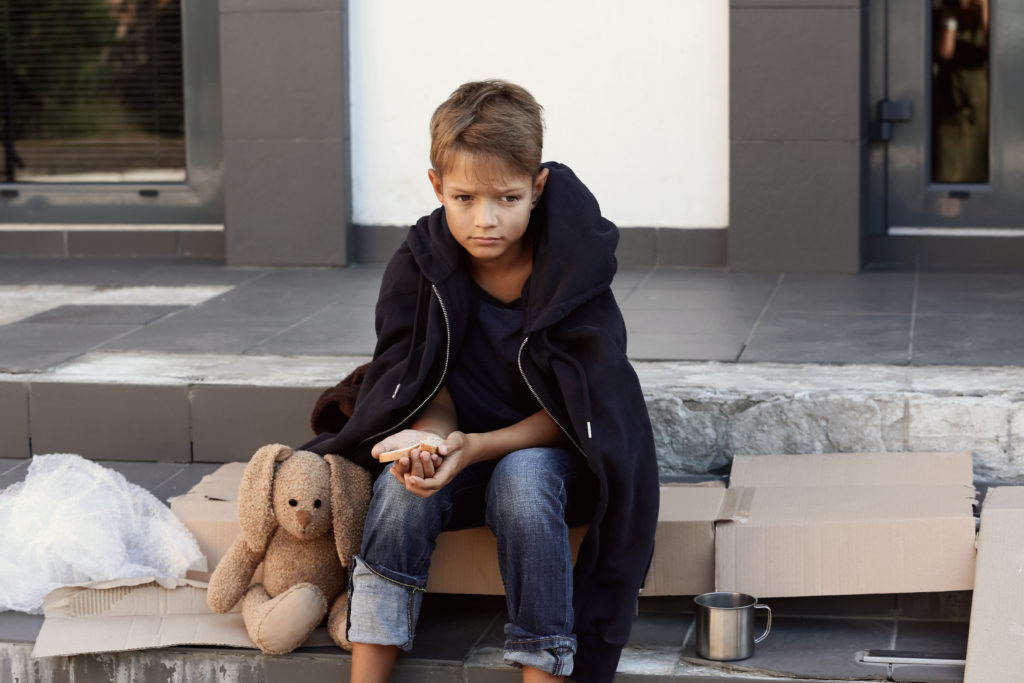
By the end of 2023, the share of the population in Belarus living below the national poverty line fell to 3.6 percent, surpassing the 2030 target of 4 percent (UNDP, 2024). Nevertheless, Belarus remains the third poorest country in Europe (World Population Review, 2025). Ultimately, on a global scale, it is essential to note that over half of the 1.1 billion poor people are children under the age of 18 (584 million) (UNDP, 2024).
Children with disabilities
In Belarus, 176,000 or 9.4 percent of all children have disabilities (CwD) and/or special educational needs. Disability is the leading cause of child abandonment and further placement in residential care institutions, and 48.6 percent of children in these centres have disabilities. These children face multiple institutional, attitudinal, and structural barriers to realizing their human rights.
Government policies are largely based on the medical model of disability and do not address complex societal and other barriers that CwD face. The state programmes supporting CwD are often uninformed by evidence, as well as poorly coordinated across sectors (UNICEF, 2019).
Written by Arianna Braga
Internally proofread by Aditi Partha
Last updated on 14 April 2025
References:
Astapenia, R. (2025). The Belarus ‘election’ raises the question: When will Lukashenka step down? Retrieved from Chatham House at https://www.chathamhouse.org/2025/01/belarus-election-raises-question-when-will-lukashenka-step-down, accessed on 16 March 2025.
Britannica (n.d.). Belarus. Retrieved from https://www.britannica.com/place/Belarus, accessed on 2 March 2025.
CRC (2020). Concluding observations on the combined 5th and 6th periodic reports of Belarus: Committee on the Rights of the Child. Retrieved from United Nations Digital Library at https://digitallibrary.un.org/record/3862646?ln=en&v=pdf, accessed on 22 March 2025.
End Corporal Punishment (2022). Corporal punishment of children in Belarus. Retrieved from End Corporal Punishment at https://www.endcorporalpunishment.org/wp-content/uploads/country-reports/Belarus.pdf, accessed on 22 March 2025.
Guler, N. (2024). Child Poverty in Belarus and the Chernobyl Disaster. Retrieved from The Borgen Project at https://borgenproject.org/child-poverty-in-belarus/, accessed on 16 March 2025.
Kruope, A. (2020). Belarus Uses Children to Pressure Dissenting Parents. Retrieved from Human Rights Watch – HRW at https://www.hrw.org/news/2020/10/08/belarus-uses-children-pressure-dissenting-parents, accessed on 22 March 2025.
LEARN | RIGHT (2017). Children’s Rights in the Education Process – Methods for middle school teachers. Retrieved from LEARN | RIGHT at https://www.learnright.dk/en/childrens-rights-in-the-education-process/, accessed on 16 March 2025.
OHCHR (2020). In dialogue with Belarus, Committee on the Rights of the Child stresses need to address violence against children. Retrieved from OHCHR at https://www.ohchr.org/en/statements/2020/01/dialogue-belarus-committee-rights-child-stresses-need-address-violence-against?LangID=E&NewsID=25486, accessed on 16 March 2025.
OHCHR (n.d.). UN Treaty Body Database. Retrieved at OHCHR at https://tbinternet.ohchr.org/_layouts/15/TreatyBodyExternal/Treaty.aspx?Treaty=CRC&Lang=en, accessed on 16 March 2025.
Our House (n.d.). Issues concerning the rights of children in Belarus’s legislation. Retrieved from Our House at https://news.house/lib/browse/analytics-children-17-en, accessed on 16 March 2025.
Renfro, M. (2024). Sex Trafficking and Child Poverty in Belarus. Retrieved from The Borgen Project at https://borgenproject.org/sex-trafficking-in-belarus/, accessed on 2 March 2025.
Republic of Belarus (2022). Belarus spends $19.3bn on Chernobyl programs since 1990. Retrieved from Official Website of the Republic of Belarus at https://www.belarus.by/en/business/business-news/belarus-spends-193bn-on-chernobyl-programs-since-1990_i_143070.html, accessed on 14 April 2025.
SOS Children’s Villages (n.d.). Belarus country page. Retrieved from SOS Children’s Villages at https://www.sos-childrensvillages.org/where-we-help/europe/belarus, accessed on 16 March 2025.
UNDP (2024). 1.1 billion people live in multidimensional poverty, nearly half a billion of these live in conflict settings. Retrieved from UNDP at https://www.undp.org/belarus/press-releases/11-billion-people-live-multidimensional-poverty-nearly-half-billion-these-live-conflict-settings, accessed on 22 March 2025.
UNFPA (n.d.). Sexual & reproductive health. Retrieved from UNFPA at https://belarus.unfpa.org/en/topics/sexual-reproductive-health-17, accessed on 14 April 2025.
UNICEF (2019). Children with Disabilities and Special Educational Needs. Retrieved from UNICEF Belarus at https://www.unicef.org/belarus/en/reports/unicef-belarus-factsheet-disability, accessed on 22 March 2025.
UNICEF (2020). Country programme document Belarus. Retrived from UNICEF at https://www.unicef.org/belarus/media/5431/file/Country%20programme%20document%20Belarus.pdf, accessed on 14 April 2025.
WHO (n.d.). Belarus Country Profile. Retrieved from WHO at https://data.who.int/countries/112, accessed on 22 March 2025.
World Population Review (2025). Poorest Countries in Europe 2025. Retrieved from World Population Review at https://worldpopulationreview.com/country-rankings/poorest-countries-in-europe, accessed on 22 March 2025.
[1] This article by no means purports to give a full or representative account of children’s rights in Belarus; indeed, one of the many challenges is the scant updated information on Belarusian children, much of which is unreliable, not representative, outdated, or simply non-existent.