
Realizing Children’s Rights in Latvia
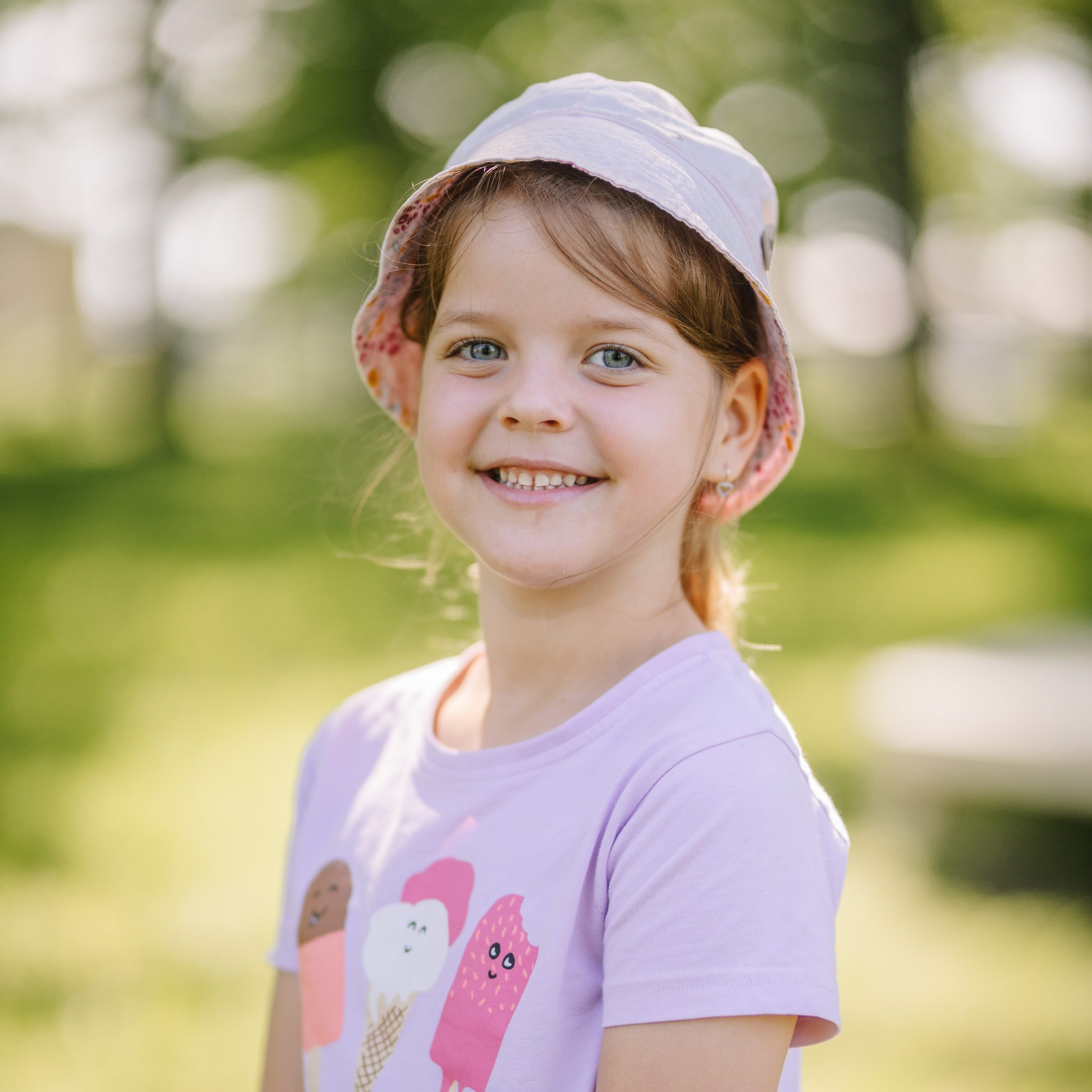

Since ratifying the Convention on the Rights of the Child back in 1992, Latvia has adopted other national policies and joined international agreements to create a legal framework aimed at improving children’s rights. However, there are still child rights issues that need to be addressed. While the country has been putting in effort and resources into further bettering education, healthcare, and the general well-being of children, improvements are needed to solve the issues of child trafficking and abuse, online sexual exploitation, child poverty, and discrimination.
Population: 1.8 million
Population aged 0-14: 15.1%
Life expectancy: 75.5 years
Under-5 mortality rate: 3.0‰
Latvia at a glance
Latvia is a Baltic country located in Northern Europe, bordered by Estonia to the north, Lithuania to the south, the Baltic Sea to the west, and Russia to the east. Its strategic location has made Latvia an important point of access between East and West, influencing its cultural and historical development over the centuries. The country has experienced a variety of influences, from the medieval Hanseatic League to periods of occupation by various powers, including Sweden, Poland, Germany, and Russia.
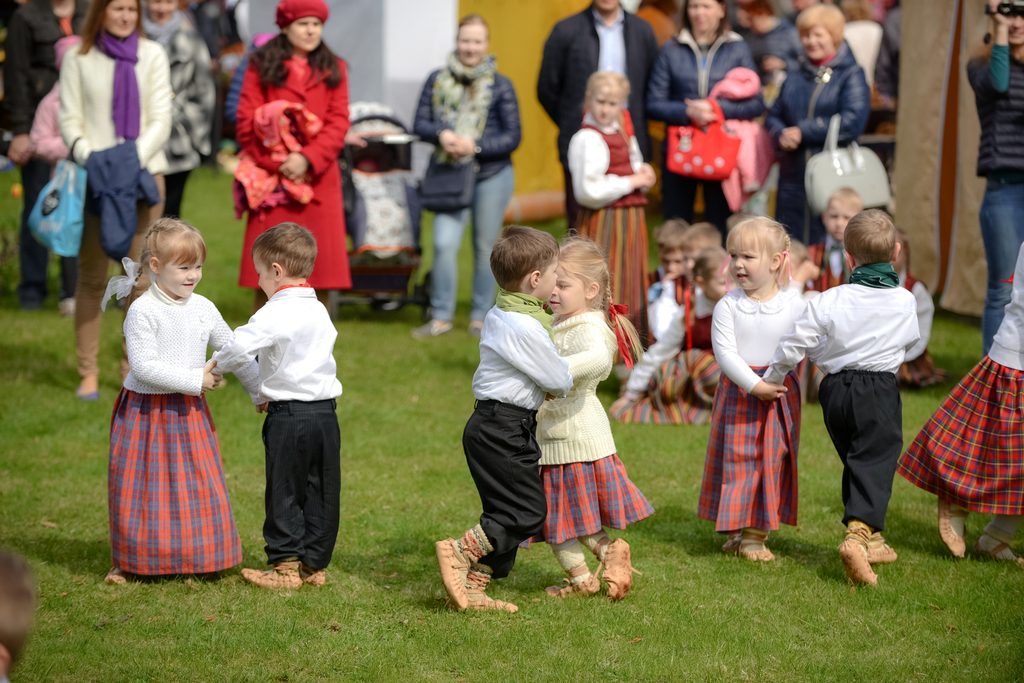
Latvia’s history is marked by upheaval and change. It became part of the Russian Empire in the 18th century and later experienced heavy industrialization. Following World War I, Latvia declared independence in 1918, establishing a democratic republic. However, this period was short-lived, as the country was occupied by the Soviet Union during World War II, leading to a long period of Soviet rule, which lasted until the late 20th century (Britannica, 2025). The push for independence gained momentum during the late 1980s, culminating in the Singing Revolution, a peaceful movement advocating for national sovereignty, which successfully restored independence in 1990 (Šmidchens, 2016).
In terms of demographics, Latvia has a diverse population. The ethnic Latvian majority constitutes about 63% of the total population, while ethnic Russians make up around 23%. Other minority groups include Belarusians, Ukrainians, and Poles (Britannica, 2025). The linguistic landscape is also varied, with Latvian being the official language, but Russian remains widely spoken.
Status of children’s rights [1]
Latvia has ratified several key international agreements, including the United Nations Convention on the Rights of the Child (CRC) in 1992 (United Nations, n.d.). Latvia signed (2013) and ratified (2014) the Lanzarote Convention, which focuses on the prevention and combating of sexual exploitation and sexual abuse of children (Council of Europe, 2025).
At the national level, Latvia has enacted a number of laws aimed at supporting children’s rights. The cornerstone of this legal framework is the Law on the Protection of the Child’s Rights (1998), which outlines the rights and freedoms of children, defines a child as an individual under 18 (unless married), and emphasises the responsibilities of parents, guardians, and the state in protecting these rights (Child Rights International Framework, n.d.).
Other key instruments include the Cabinet Regulation No. 857, which provides social guarantees for orphans and children without parental care, the Youth Law (2008), aimed at enhancing the quality of life for young individuals aged 13 to 25, and the Education Law (1998), which ensures access to education and personal development. Additional frameworks, such as the Law on Social Services and the Ombudsman’s Office, also support children’s rights, while the State Inspectorate for Protection of Children’s Rights oversees compliance with these laws (Perera et al., 2022 ).
Addressing the needs of children
Right to education
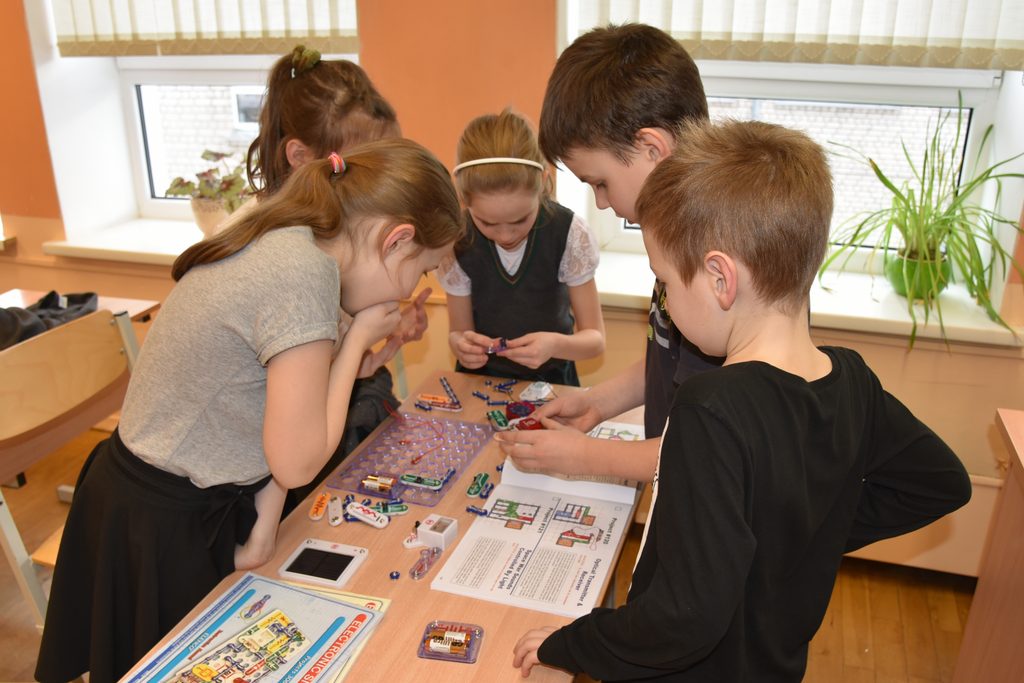
The Constitution of Latvia guarantees the right to education for all children, emphasizing that education is a fundamental right and must be accessible to everyone without discrimination (Constitution of Latvia, Article 112). Compulsory education lasts for nine years and is provided free of charge in state-funded schools, ensuring that elementary education is universally available (Eurydice, 2025).
The completion rate for primary education in 2022 stood at 98.45% compared to the world’s average of 92.43% (The Global Economy, 2022). Interesting facts related to the state of education include that Latvia is one of the EU’s top-performing countries in science at the secondary school level and that it has one of the smallest socio-economic discrepancies in underachievement in mathematics (European Commission, 2025).
However, it should be noted that levels of proficiency in basic skills vary significantly by geographical area, with larger urban schools, particularly in Riga, performing much better than smaller rural schools. Additionally, persistent teacher shortages pose a risk to the quality and equity of Latvia’s education system, particularly in rural areas (European Commission, 2025).
Latvia’s education system guarantees access to both special and inclusive education for children with disabilities under the Law on Education and Law on General Education (European Agency for Special Needs and Inclusive Education, 2025). Although inclusion has expanded and most municipalities report adopting inclusive practices, access remains uneven, and some schools still lack adequate capacity to enrol children with special needs (Latvian Public Broadcasting, 2021). To improve provision, Latvia invests significant EU funds to modernize 30 special schools and strengthen support services (Eurydice, 2023).
Right to health
Latvia’s health-protection system for children is grounded in Article 111 of the Constitution, which obliges the State to protect human health and guarantee a basic level of medical assistance for everyone (Constitution of Latvia, n.d.). Children’s specific rights are further ensured under the Protection of the Rights of the Child Law, which requires the State and municipalities to organise and monitor children’s health protection without discrimination (Child Rights International Framework, n.d.).
Under this framework, children receive free preventive health care, including routine check-ups, vaccinations, dental care, and psychological support services, all funded by the public system administered by the National Health Service (cilvektiesibugids.lv, n.d.). Latvia’s Child Guarantee National Action Plan from 2023 expands these obligations by emphasising free medical care, reimbursement of medicines, and individual rehabilitation plans for children facing vulnerability (Eurochild, 2024).
These protections translate into strong early-childhood health outcomes. The under-five mortality rate is about 3 deaths per 1000 live births, with similarly low infant and neonatal mortality rates. Vaccination coverage is also high, with around 97% of infants receiving DTP3, according to WHO/UNICEF estimates. Indicators of child nutrition show comparatively positive outcomes. Stunting among children under five is low, with Latvia among the better-performing EU countries on basic nutrition metrics (UNICEF, 2023). For older children, overall mortality is likewise low, approximately 1 per 1000 in the 5–14 age group (Human Capital World Bank, 2025).
However, socioeconomic inequalities influence children’s access to specialist and preventive care. National reporting continues to highlight regional disparities in access to services and varying capacity for early-preventive support across municipalities (Official Statistics of Latvia, 2025).
Right to protection
Latvia’s legal framework firmly recognises that children have the right to grow up in a family environment and that their best interests and family unity are primary principles in all decisions affecting them. The cornerstone of this framework is the Law on the Protection of the Rights of the Child, which sets out children’s rights, the obligations of parents and the State, and establishes that the best interests of the child shall take priority in all actions concerning them, including those involving family relationships and placement decisions (Child Rights International Framework, n.d.).
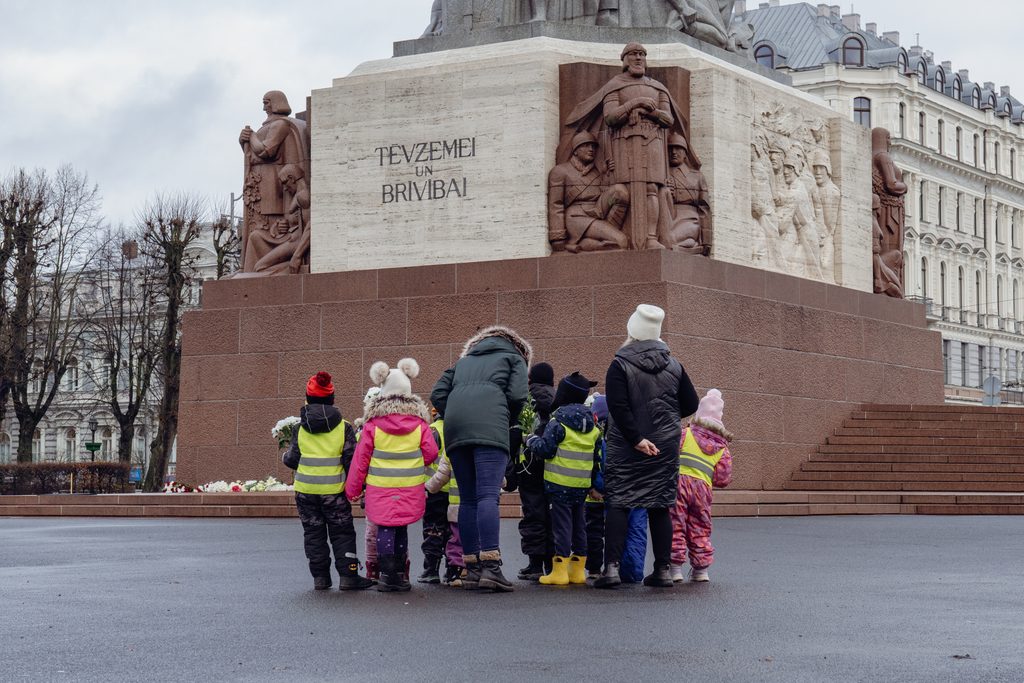
Parental rights and responsibilities, protected under both family law and human-rights guarantees, include caring for the child, representing the child, determining the child’s place of residence, and providing for their upbringing, education, and well-being until they reach the age of 18 (cilvektiesibugids.lv, n.d.). The Latvian Civil Law and custody provisions ensure that parents retain these rights unless suspended or terminated by a court in the child’s best interests (LIKUMI, n.d.).
Despite these strong legal instruments, there is a significant number of children losing parental custody, reflecting challenges in family protection and child welfare. In 2024, custody rights were revoked for 1,439 children, often due to concerns about neglect or harm, underscoring ongoing issues with family stability and protective interventions (Baltic News Network, 2025). At the same time, Latvia maintains a structured alternative care system with foster families, guardianship placements, and residential care when family reunification is not immediately possible, illustrating the effort to balance family unity with child protection (Ministry of Welfare of the Republic of Latvia, 2023).
Risk factors → Country-specific challenge
Child trafficking
European institutions have described Latvia as a country of origin for trafficking victims exploited abroad, including in other EU Member States. They also note that internal trafficking cases have been detected since 2015 (European Commission, n.d.).
Official monitoring shows that children are among the identified victims. GRETA reports that Latvia identified 106 trafficking victims in 2016–2019, including 10 children, and that in 2020, Latvia formally identified 48 victims, including two minors (GRETA, 2022). More recent annual reporting states that Latvia identified one child trafficking victim in 2023 and four child trafficking victims in 2024.
However, it must be noted that, according to the U.S. State Department’s 2024 report, Latvian authorities struggled to identify victims of child trafficking. As an example, although government representatives were aware that minors residing in state-run facilities, such as orphanages, are susceptible to sex trafficking, they did not actively screen this group for trafficking (U.S. Department of State, 2024).
Authorities relied largely on the Riga Regional Police to handle the majority of the work, investigating fewer trafficking crimes and failing to proactively pursue trafficking cases or identify victims, especially children and citizens of third countries. Also, victims from vulnerable groups were not routinely informed by the government about their rights, the resources that are accessible to them, the consequences of being officially classified as victims of human trafficking, or the potential for state protection (U.S. Department of State, 2024).
The same reports do note that there have been governmental initiatives to improve the situation in the area of human trafficking. These included convicting more traffickers, giving victims temporary residency permits, and boosting financing for aid programs sponsored by non-governmental organizations. Additionally, the Ombudsman’s Office developed guidelines on labor exploitation and trafficking risks in public procurement for state and municipal authorities. It also trained psychologists and legal professionals on how to identify victims of child trafficking and recognize trafficking indicators (U.S. Department of State, 2024).
Child abuse
In 2023, Latvia recorded 470 criminal offences against minors (down slightly from 485 in 2022), while the category “cruelty towards and violence against a minor” rose to 65 cases (63 in 2022). Latvia’s Juvenile Support Information System registered 540 children whose life, health, or development was threatened due to violence or justified suspicions of violence and/or due to lack of care or harmful home circumstances in 2023, up from 439 in 2022 (Official Statistics of Latvia, 2024).
A large volume of child-protection interventions is also reflected in decisions that remove children from unsafe family situations. In 2024, custody rights of 1,212 parents over 1,439 children were terminated. There were 485 single-person decisions to terminate custody rights and 5,341 children living in out-of-family care as of 31 December 2024. The same report describes the operational scale of this system in 2024, with 22,905 active cases in orphan courts (municipal child-protection authorities responsible for guardianship and custody decisions) and 6,225 new cases opened during the year (Child Protection Centre, Republic of Latvia, 2024).
The Child Protection Centre reports that parents’ use of addictive substances was the main reason in 79% of cases of custody terminations in 2024, and it highlights service issues in neglect-related removals. For example, only 5 of 43 families removed due to neglect received a family assistant, and only 53% of parents with addiction issues were offered addiction-reduction services (Child Protection Centre, Republic of Latvia, 2024).
Neglect, often alongside violence, appears repeatedly in national reporting as a driver of interventions. In 2023, the Juvenile Support Information System counted 201 children who were neglected or found in conditions hazardous to life, health, or development. In 2022, that number was 208 (Official Statistics of Latvia, 2024).
Latvia’s response to the problem includes legal and service mechanisms that frame how child abuse cases are handled. A reform of orphan and custody courts assigns functional supervision to the State Inspectorate for the Protection of Children’s Rights and gives it power to instruct an orphan’s court to re-evaluate a case and take a new decision, including steps to address inactivity (Ministry of Justice of the Republic of Latvia, 2021). Also, the Child Protection Centre’s mandate (set out in Cabinet Regulation No. 784) includes running the inter-institutional Child House (Barnahus) program and the children and adolescents helpline, alongside monitoring compliance with child-rights norms (LIKUMI, 2023).
Online sexual exploitation
Online sexual exploitation, especially grooming and the circulation of child sexual abuse material, has been documented in Latvia through both reporting-line data and police-recorded victim statistics. Latvia’s Safer Internet Centre reporting-line statistics list 22,925 reports in the category “child sexual abuse material” for 2021, followed by 8,977 for 2022, 986 for 2023, and 11,816 for 2024 (DrossInternet.lv, 2025).
The Covid pandemic deteriorated the situation, as seen from the number of cases for 2021. While not limited to online abuse, reports also show that sexual-violence-related crimes against minors were recorded in substantial numbers in the pandemic year: for 2020, 50 indecent assaults and 32 sexual contacts with a person under age 16 were recorded (Official Statistics of Latvia, 2021).
Police data also points to children being directly identified as victims in offences commonly linked to online grooming. The State Police reports that for an offence it describes as inducing a person to engage in sexual activity, the number of recognised victims rose from 5 victims in the first half of 2022 to 23 victims in the first half of 2023 (Valst Policija, 2023).
Poverty
Child poverty affects a considerable portion of Latvia’s young population, limiting their access to essential services and opportunities. In 2023, 20.3% of Latvian children were at risk of poverty or social exclusion, which reflects ongoing socioeconomic vulnerability among families with children (Latvian Public Media, 2024). Children in single-parent households, large families, and rural regions are especially affected, facing greater barriers to adequate nutrition, housing stability, healthcare, and early childhood education (National Policies Platform, n.d.).
Latvia has adopted the EU Child Guarantee National Action Plan, which aims to reduce child poverty through targeted interventions, such as improved access to free healthcare, quality education, housing assistance, and integrated family support services (Eurochild, 2024). While these measures represent meaningful progress, there are still implementation difficulties, particularly in reaching the most marginalized groups, such as children with disabilities, children in alternative care, and minority children who face multiple layers of exclusion.
Discrimination
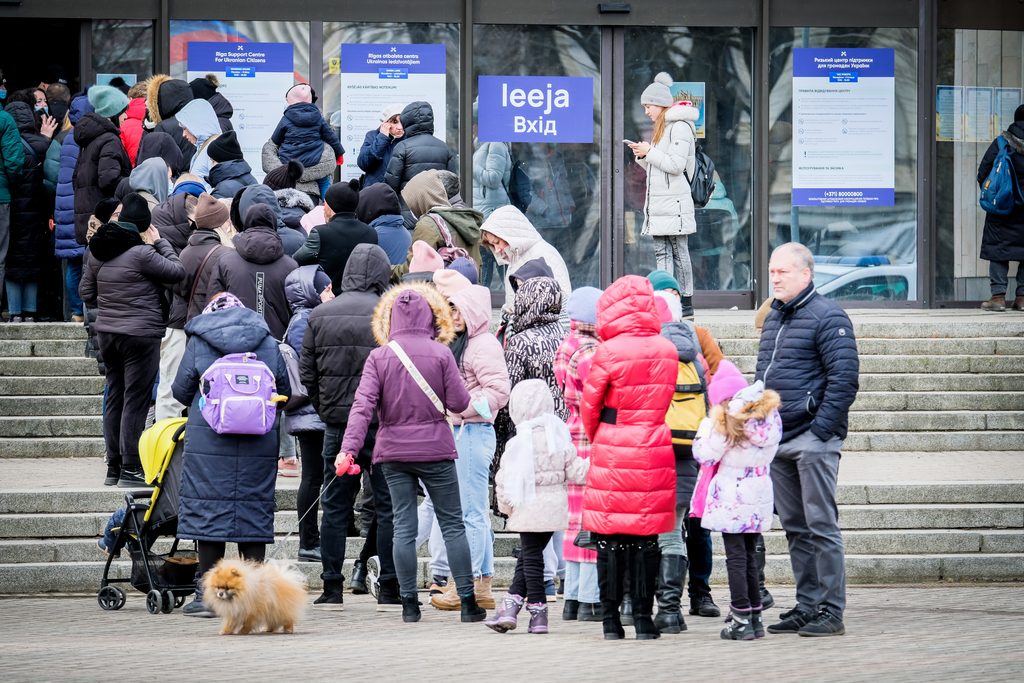
Latvia is home to diverse ethnic and linguistic communities. Still, children from minority backgrounds, particularly Russian-speaking, Roma, and other ethnic minority groups, continue to face structural inequalities that make their social inclusion and educational success harder.
Legislative reforms have accelerated the transition to education conducted exclusively in Latvian, significantly reducing minority-language instruction. In 2023, UN human rights experts expressed strong concern that these reforms could seriously affect minority children, potentially violating international human rights standards and limiting children’s cultural and linguistic rights (OHCHR, 2023).
While the Latvian government argues that the reforms aim to strengthen national cohesion and improve Latvian language proficiency, UN experts warn that insufficient consultation with minority communities and the rapid implementation timeline could put children, especially those entering school with limited Latvian proficiency, at a disadvantage. Consequently, these students may struggle academically, face an increased risk of dropout, and experience feelings of exclusion within the education system (OHCHR, 2023).
On the other hand, some developments have also been observed towards inclusive education, which is expected to have a positive impact, particularly reflected in a significant decrease in the number of Roma children attending special schools. However, there is still a lack of data regarding the proportion of Roma children diagnosed with special educational needs and the support they receive within mainstream education. Also, there is a noted insufficiency in the number of Roma mediators and teaching assistants available in schools, highlighting areas that require further attention and improvement (ECRI, 2025).
In 2019, Parliament adopted the Law on the Discontinuation of Assignment of the Status of Non-Citizen to Children. This law mandates that all children born to non-citizens in Latvia are automatically granted Latvian citizenship, unless the child’s parents choose citizenship from another country. The termination of assigning non-citizen status to newborns marks a crucial step towards better integration and the eventual abolition of this population category, as envisaged by the authorities (ECRI, 2025).
Written by Zeljka Mazinjanin
Last updated on December 23, 2025
References:
Baltic News Network (2025), Alarm in Latvia – growing number of children left without parental custody, Retrieved from Baltic News Network, available at https://bnn-news.com/alarm-in-latvia-growing-number-of-children-left-without-parental-custody-268278, accessed on December 8, 2025.
Britannica (2025), Latvia. Retrieved from Encyclopedia Britannica, available at https://www.britannica.com/place/Latvia, accessed on December 7, 2025.
Child Protection Centre, Republic of Latvia (2024), Report about the work of orphan’s courts in 2024. Retrieved from Child Protection Centre, Republic of Latvia, available at https://www.bac.gov.lv/en/analytical-materials#report-about-work-orphans-courts-2024, accessed on December 23, 2025.
Child Rights International Framework (n.d.), Latvia: Protection of the Rights of the Child Law. Retrieved from Child Rights International Framework, available at https://archive.crin.org/en/library/legal-database/latvia-protection-rights-child-law.html, accessed on December 7, 2025.
Cilvektiesibugids.lv (n.d), Parental Custody Rights. Retrieved from Cilvektiesibugids.lv, available at https://www.cilvektiesibugids.lv/en/themes/family/parents/parental-custody-rights/parental-custody-rights, accessed on December 8, 2025.
Cilvektiesibugids.lv (n.d), Right to Health and Children. Retrieved from Cilvektiesibugids.lv, available at https://www.cilvektiesibugids.lv/en/themes/health/right-to-health/right-to-health-and-specific-groups/right-to-health-and-children?, accessed on December 8, 2025.
Constitution of Latvia (n.d.), The Constitution of the Republic of Latvia. Retrieved from Latvijas Republikas Saeima, available at https://www.saeima.lv/en/legislative-process/constitution, accessed on December 8, 2025.
Council of Europe (2025), Chart of signatures and ratifications of Treaty 201. Retrieved from Council of Europe, Treaty Office, available at https://www.coe.int/en/web/conventions/full-list?module=signatures-by-treaty&treatynum=201, accessed on December 7, 2025.
Convention on the Rights of the Child (1989). Retrieved from Legislation of the Republic of Latvia, available at https://likumi.lv/ta/lv/starptautiskie-ligumi/id/1150, accessed on December 8, 2025.
DrossInternet.lv (2025), Report statistics. Retrieved from DrossInternet.lv, available at Reporting statistics, accessed on December 23, 2025.
ECRI (2025), Report On Latvia. Retrieved from Council of Europe, available at https://rm.coe.int/sixth-report-on-latvia/1680b66aea, accessed on December 14.
Eurochild (2024), Latvia’s Child Guarantee National Action Plan – An overview. Retrieved from Eurochild, available at https://eurochild.org/resource/latvias-child-guarantee-national-action-plan-an-overview/, accessed on December 8, 2025.
European Agency for Special Needs and Inclusive Education (2025), Country information: Latvia – Legislation and policy for inclusive education. Retrieved from European Agency for Special Needs and Inclusive Education, available at https://www.european-agency.org/country-information/latvia/assessment-within-inclusive-education-systems, accessed on December 8, 2025.
European Commission (2025), Latvia. Retrieved from European Commission, available at https://op.europa.eu/webpub/eac/education-and-training-monitor/en/country-reports/latvia.html, accessed on December 8, 2025.
European Commission (n.d.), Migration and Home Affairs Latvia. Retrieved from European Commission, available at https://home-affairs.ec.europa.eu/policies/internal-security/organised-crime/together-against-trafficking-human-beings/eu-countries/latvia_en, accessed on December 23, 2025.
Eurydice (2025), Latvia Overview. Retrieved from Eurydice, available at https://eurydice.eacea.ec.europa.eu/eurypedia/latvia/overview, accessed on December 8, 2025.
Eurydice (2023), Separate special education needs provision in early childhood and school education: Latvia. Retrieved from Eurydice, available at https://eurydice.eacea.ec.europa.eu/eurypedia/latvia/separate-special-education-needs-provision-early-childhood-and-school-education, accessed on December 8, 2025.
GRETA (2022), Evaluation Report Latvia -Third Evaluation Round. Retrieved from Council of Europe, available at https://rm.coe.int/greta-implementation-report-third-evaluation-round-on-latvia/1680a59480, accessed on December 23, 2025.
Human Capital World Bank (2025), Human Capital Country Brief – Latvia. Retrieved from Human Capital World Bank, available at https://humancapital.worldbank.org/content/dam/sites/data/humancapital/pdf/Latvia.pdf, accessed on December 8, 2025.
Latvian Public Broadcasting. (2021). Inclusive education in Latvia: Theory and practice. Retrieved from Latvian Public Broadcasting, available at https://www.lsm.lv/raksts/zinas/latvija/14.06.2021-ieklaujosa-izglitiba-latvija-realitate-vel-talu-no-teorijas.a408800/, accessed on December 8, 2025.
Latvian Public Media (2024), One in five Latvian children at risk of poverty or social exclusion. Retrieved from Latvian Public Media, available at https://eng.lsm.lv/article/society/society/19.07.2024-one-in-five-latvian-children-at-risk-of-poverty-or-social-exclusion.a561433/, accessed on December 13, 2025.
LIKUMI (2023), By-laws of the Child Protection Centre. Retrieved from LIKUMI, available at https://likumi.lv/ta/id/348479, accessed on December 23, 2025.
LIKUMI (n.d.), The Civil Law. Retrieved from LIKUMI, available at https://www.inlatplus.lv/wp-content/uploads/2019/11/civillikums_eng.pdf, accessed on December 8, 2025.
Ministry of Justice of the Republic of Latvia (2021), Amendments to the law necessary to reform the orphans’ and custody courts have entered into force. Retrieved from the Ministry of Justice of the Republic of Latvia, available at https://www.tm.gov.lv/en/article/amendments-law-necessary-reform-orphans-and-custody-courts-have-entered-force, accessed on December 23, 2025.
Ministry of Welfare of the Republic of Latvia (2023), Children’s Rights Protection in Latvia. retrieved from the Ministry of Welfare of the Republic of Latvia, available at childrens-rights-protection-in-latvia_080623.pptx, accessed on December 8, 2025.
National Policies Platform. (n.d.), Latvia – General context. Retrieved from National Policies Platform, available at https://national-policies.eacea.ec.europa.eu/youthwiki/chapters/latvia/41-general-context, accessed on December 13, 2025.
Official Statistics of Latvia (2021), Children of Latvia. Retrieved from the Official Statistics of Latvia, available at https://stat.gov.lv/system/files/publication/2021-08/Nr_06_Berni_Latvija_2021_%2821_00%29_LV_EN_1.pdf, accessed on December 23, 2025.
Official Statistics of Latvia (2024), Children of Latvia. Retrieved from the Official Statistics of Latvia, available at https://stat.gov.lv/system/files/publication/2024-08/Nr_05_Berni_Latvija_2024_%2824_00%29_LV_EN.pdf, accessed on December 23, 2025.
Official Statistics of Latvia (2025), Children of Latvia. Retrieved from the Official Statistics of Latvia, available at https://stat.gov.lv/system/files/publication/2025-08/Nr_05_Berni_Latvija_2025_%2825_00%29_LV_EN_0.pdf, accessed on December 8, 2025.
OHCHR (2023), Latvia: UN experts concerned about severe curtailment of minority language education. Retrieved from OHCHR, available at https://www.ohchr.org/en/press-releases/2023/02/latvia-un-experts-concerned-about-severe-curtailment-minority-language, accessed on December 14, 2025.
Perera S., Trapenciere I., Vilka L. (2022), Policy and legal framework on protecting children’s rights in Latvia and Sri Lanka. Retrieved from ResearchGate, available at https://www.researchgate.net/publication/357739004, accessed on December 7, 2025.
Šmidchens, G. (2016), Singing Revolution: Past and Present. Retrieved from Foreign Policy Research Institute, available at https://www.fpri.org/article/2016/10/singing-revolution-past-present/, accessed on December 7, 2025.
The Global Economy (2022), Latvia: Primary school completion rate. Retrieved from The Global Economy.com, available at https://www.theglobaleconomy.com/Latvia/Primary_school_completion_rate/, accessed on December 7, 2025.
UN Committee on the Rights of the Child (2016), Concluding observations on the third to fifth periodic reports of Latvia (CRC/C/LVA/CO/3-5). Retrieved from the United Nations, available at https://www.icj.org/wp-content/uploads/2016/07/Concluding-Observations-CRC-Latvia-2016-eng.pdf, accessed on December 13, 2025.
Unicef (2023), Sustainable Development goals – Latvia. Retrieved from Unicef, available at https://data.unicef.org/sdgs/country/lva/, accessed on December 8, 2025.
United Nations (n.d.), UN Treaty Body Database. Retrieved from the United Nations, Human Rights Treaty Bodies, available at https://tbinternet.ohchr.org/_layouts/15/treatybodyexternal/Treaty.aspx?CountryID=95&Lang=en, accessed on December 7, 2025.
U.S. Department of State (2024), 2024 Trafficking in Persons Report: Latvia. Retrieved from U.S. Department of State, available at https://www.state.gov/reports/2024-trafficking-in-persons-report/latvia/, accessed on December 23, 2025.
Valst Policija (2023), Protect your child from seduction on the Internet. Retrieved from Valst Policija, available at https://www.vp.gov.lv/lv/jaunums/pasarga-savu-bernu-no-pavedinasanas-interneta, accessed on December 23, 2025.
[1] This article by no means purports to give a full or representative account of children’s rights in Latvia; indeed, one of many challenges is the scant updated information on the Latvian children, much of which is unreliable, not representative, outdated or simply non-existent.