Realizing Children’s Rights in Kosovo
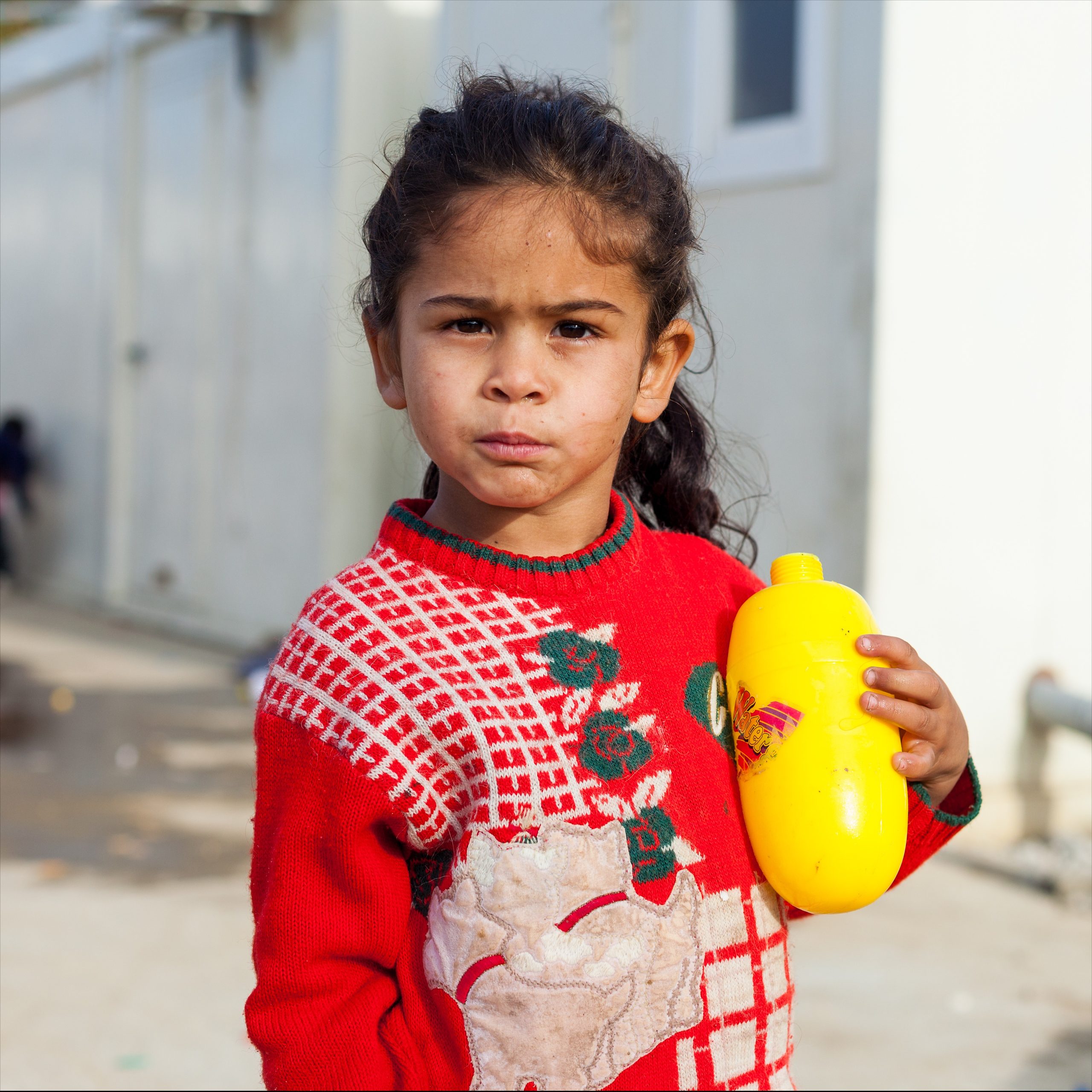

In Kosovo, many children are still not able to fully enjoy their fundamental rights. Although the laws reflect international standards, weak enforcement and limited resources leave many vulnerable – especially children from Roma, Ashkali, and Egyptian communities; those with disabilities; and those living in poverty. Access to education and healthcare for ethnic minorities and children with disabilities is also uneven. Early childhood participation remains low, and child labour and violence continue to be problems. While the country has made some progress, much more needs to be done to ensure every child is equally protected, no matter where they live.
Population: 1.8 million
Population aged 0–14: 27%
Life expectancy: 76 years
Under-5 mortality rate: 10‰
Kosovo at a glance
Kosovo, officially the Republic of Kosovo, is a landlocked country in the Western Balkans. It declared independence from Serbia in 2008, but only some countries recognise its statehood. Montenegro lies to the west, Albania to the southwest, North Macedonia to the southeast, and Serbia to the north and east. Pristina, the capital, serves as the political, cultural, and economic centre.
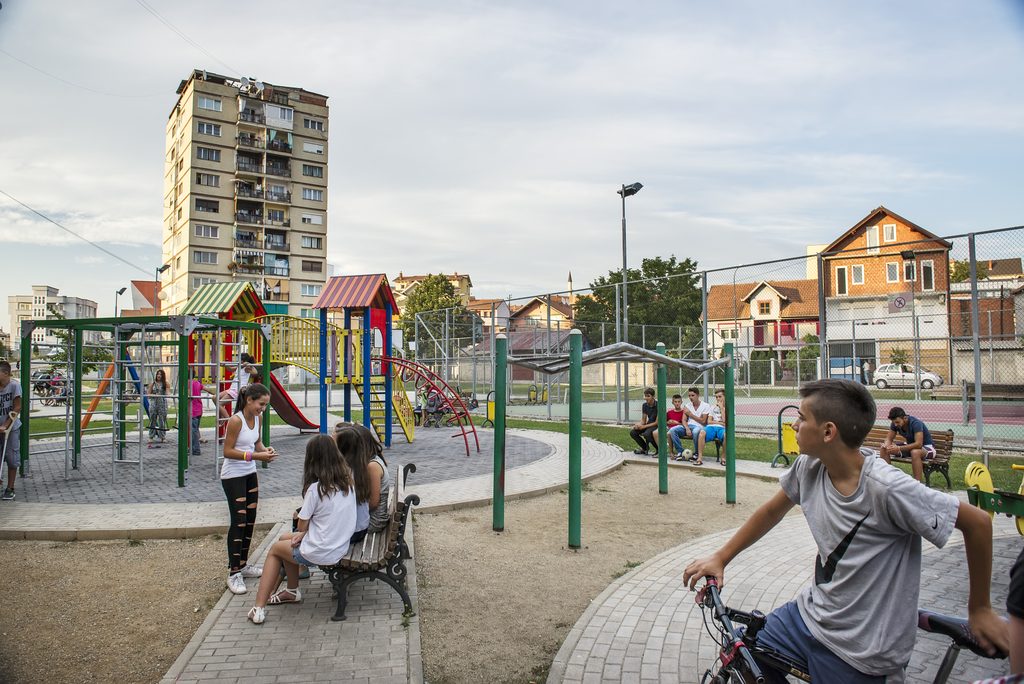
The population is mainly ethnic Albanian, with Serbian and other minority communities. Albanian and Serbian are the official languages. Kosovo’s culture reflects Illyrian, Byzantine, Ottoman, and Yugoslav influences, with strong traditions in music, art, and hospitality.
Kosovo is a parliamentary republic, with a president as head of state and a prime minister leading the government. Its institutions developed after the 1999 conflict under the United Nations Interim Administration Mission in Kosovo. Approximately 100 UN member states recognise Kosovo, but it is not a UN member due to opposition from Serbia, Russia, China, and other countries.
Following decades of ethnic tensions and the 1998–1999 Kosovo War, the country was placed under UN administration before unilaterally declaring independence on 17 February 2008. At the same time, many countries recognise its sovereignty, others – including Serbia and several EU member states – do not, which leaves Kosovo’s international status only partially recognised.
Status of children’s rights [1]
Kosovo’s approach to children’s rights reflects its post-conflict recovery and ongoing institutional reforms. Kosovo is not a UN member and is therefore not listed as a State party to the UN Convention on the Rights of the Child (CRC) or the Convention on the Rights of Persons with Disabilities. Instead, its institutions have chosen to incorporate these instruments into the Constitution and key laws. Its legislation largely follows CRC principles and is influenced by aspirations for closer integration with European institutions and sustained international advocacy. The Constitution of Kosovo (Article 50) also integrates the CRC.
The National Strategy on the Rights of Persons with Disabilities (NSRPD) covered 2013–2023 and is currently under review. A new NSRPD for 2025–2030, along with an action plan for 2025–2027, is being prepared by the Office for Good Governance to strengthen the rights and inclusion of persons with disabilities, including children and their families (Leung & Nagavci, 2025).
Kosovo has aligned key child-related legislation with the CRC and relevant European human rights frameworks. Law No. 06/L-084 on Child Protection, adopted in 2019 and in force since 2020, codifies most civil, political, social, and economic rights for children under 18, providing a solid legal foundation for child protection. European human rights standards, including the European Convention on Human Rights and Council of Europe child protection instruments, guide courts and public authorities, even though Kosovo is not yet a member of the Council of Europe. Despite these measures, children from minority communities, disadvantaged or rural areas, and those without legal documentation often lack effective protection.
The Council of Europe’s Strategy for the Rights of the Child (2022–2027) highlights the safe use of technology and the fight against online child sexual exploitation as key priorities. Kosovo seeks to align its policies with these objectives and collaborates with European and international partners to strengthen the protection of children in digital environments.
Addressing the needs of children
Right to education
Kosovo guarantees free and compulsory education for children aged 6–15, and pre-primary education at age 5 is mandatory under the Law on Pre-University Education. The system includes preschool (ages 0–5), pre-primary (age 5), primary education (grades 1–5, ages 6–10), lower secondary (grades 6–9, ages 11–14/15), and upper secondary (grades 10–12, ages 15–18).
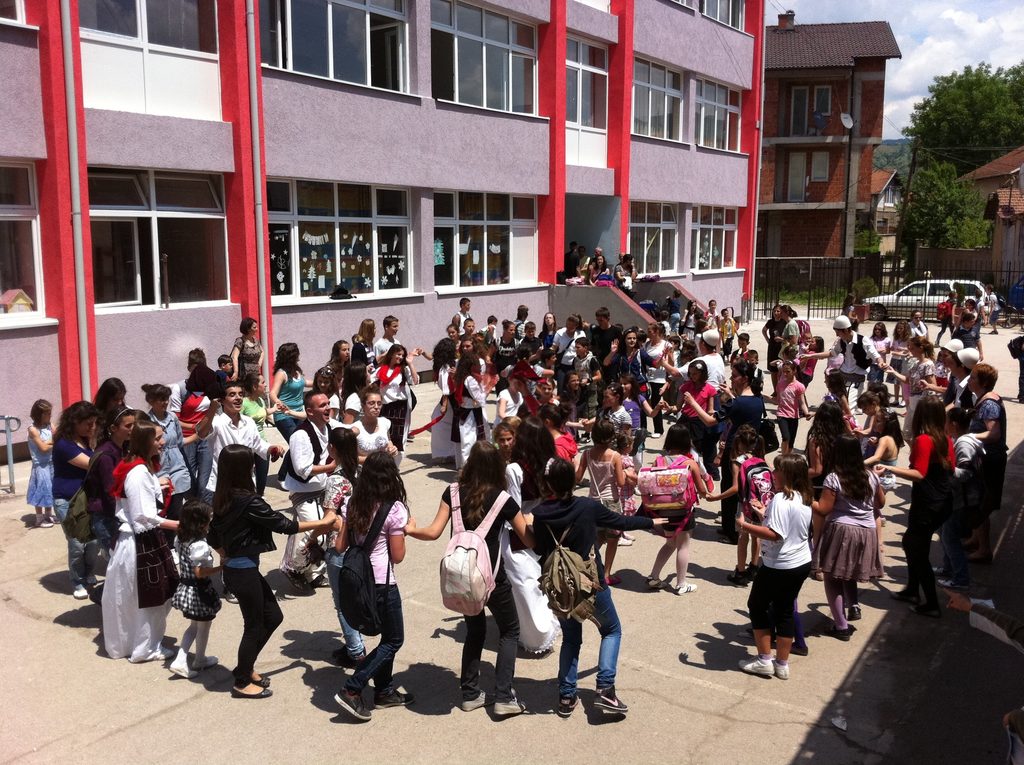
In July 2023, the Assembly adopted a law, developed with UN support, requiring all five-year-olds to attend pre-primary education from the 2024/2025 academic year (Qamili, 2024). While primary enrolment is high at 97.4%, participation in early childhood and secondary education remains low. In 2023/2024, only 8.9% of children under five attended preschool, and secondary enrolment was particularly low in marginalised and rural areas. Currently, dropout rates in basic education have reached up to 25% in some regions (Gazzi, n.d.; Lumezi, 2025). Kosovo also has the lowest preschool participation among neighbouring countries. Only 15% of children aged 3–4 are enrolled, and these pupils are mainly from wealthier households (KOMF Kosova, 2024a).
Many young children remain outside formal early education and are often cared for at home. Only one in three children aged 2–4 benefits from early stimulation through storytelling, reading, or play (KOMF Kosova, 2024a). Early childhood development services are fragmented and largely therapeutic or preventive, with limited coordination across education, health, and social welfare sectors. As a result of such fragmentation, families often navigate multiple institutions to access support.
Right to health
Healthcare in Kosovo is uneven and under-resourced. In 2022, only 45% of essential medicines were available in primary healthcare institutions, with critical shortages affecting premature infants and children with rare conditions (KOMF Kosova, 2024a). Preventive, rehabilitation, and substance-use services are largely unavailable, and disability assessment and rehabilitation services are concentrated in urban areas, leaving rural families with few options (Leung & Nagavci, 2025). Infant and child mortality remains high and above EU averages – at 14.4 deaths per 1,000 live births in 2022 – with prematurity, congenital conditions, and infections as leading causes (KOMF Kosova, 2024a).
Children in rural and marginalised communities also have lower vaccination coverage and reduced access to preventive care and rehabilitation. As a result, door-to-door vaccination campaigns have been introduced to address low immunisation rates among Roma, Ashkali, and Egyptian (RAE) children (Office of the Prime Minister, 2024). Substance use is also increasing, and the average age of initiation has fallen to 16. Exposure to tobacco, hookahs, e-cigarettes, and energy drinks is widespread, which reflects weak regulation and enforcement (KOMF Kosova, 2024a).
Early childhood care facilities also raise health and safety concerns. Public nurseries are insufficient in number and often lack space, resources, and trained staff. Reports of neglect and physical mistreatment, sometimes without accountability, have undermined trust in the system. As an alternative, some families opt for costly private nurseries or keep children at home, which limits early socialisation and development (Bami, 2025).
Right to identity
Children in Kosovo have the right to a name and nationality as well as protection from violence, exploitation, and abuse. Birth registration is legally guaranteed, and safeguards exist to prevent childhood statelessness. Many children from minority communities struggle with administrative procedures, past displacement, or missing parental documents (European Network on Statelessness, n.d.).
Under-registration at birth is common, particularly among RAE communities. Without a birth certificate, they cannot access other rights, including education, healthcare, or social assistance. Civil registry reforms have improved registration overall, but RAE communities continue to be disproportionately affected.
The risk of statelessness persists for children born to undocumented, displaced, or homeless parents, leaving them without legal status in any country (European Network on Statelessness, n.d.). Children of Serbian ethnicity have extra difficulties because Kosovo and Serbia do not always recognise each other’s civil documents. This context creates administrative deadlock and restricts access to identity papers, public services, and social participation (Kosovo Online, 2025).
In 2020, Kosovo introduced a statelessness determination procedure, with safeguards for children who would otherwise be stateless, including unaccompanied minors, adopted children, those born abroad to Kosovo parents, and children with undetermined nationality (European Network on Statelessness, n.d.).
New policies adopted in 2025 allow children holding Serbian-issued birth certificates to register officially in Kosovo. While this represents a positive step, the registration process is time-limited and ongoing (United Nations Mission in Kosovo, 2025).
Right to protection
Kosovo has established a legal framework for child protection that aligns with international standards. Law No. 06/L-084 on Child Protection (2020) provides a legal basis to safeguard children from all forms of violence, abuse, neglect, and exploitation. It also mandates the creation of integrated, multidisciplinary teams at the municipal level to manage child protection cases.
Despite this framework, child trafficking and forced labour are risks, and the protection system is under-resourced (KOMF Kosova, 2024a). Cases of abuse often go unreported due to social norms and low trust in institutions. Municipal social workers, police, and prosecutors frequently lack child-sensitive training to handle complex abuse cases. Integrated services for victims are scarce, and the foster care system often fails to provide adequate protection (UNICEF, 2022).
Risk factors → Country-specific challenges
Child labour
Reliable data on child labour in Kosovo are limited due to the largely informal nature of work. A 2019–2020 survey estimated that 9% of children aged 5–14 were engaged in some form of work, with many aged 7–14 combining work and school (U.S. Department of Labor, 2024a). Forced begging, street work, and the sale of small items are the most visible forms, while others perform hazardous work in agriculture, waste collection, construction, and mining. Economic hardship and limited social support often push families to rely on children’s earnings.
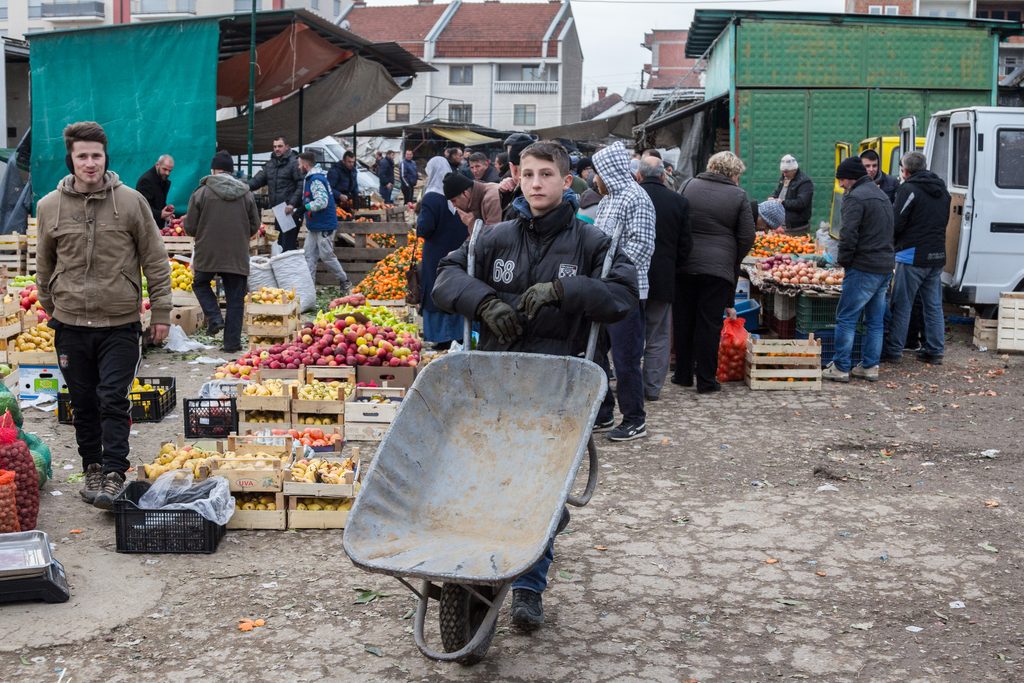
Children from economically vulnerable households and minority communities, especially RAE groups, are at risk of child labour and other forms of economic exploitation. Children who are out of school, for example, due to missing documentation, are especially vulnerable to child labour in Kosovo.
Kosovo has established a legal framework, including the Children’s Rights Action Plan (2021–2025), prohibiting child labour and guiding policy. Recent legislative amendments aim to protect children from hazardous work, such as employment in nightclubs and other high-risk environments. However, enforcement remains weak, and many children continue to work under unsafe conditions (U.S. Department of Labor, 2024a).
Child trafficking
Kosovo also experiences child trafficking, serving as a source, transit, and destination country. Children from economically disadvantaged families are particularly vulnerable, and trafficking often involves cross-border movements that expose them to forced labour or commercial sexual exploitation (U.S. Department of Labor, 2024b; U.S. Department of State, 2024). Girls are disproportionately affected. A 2022 U.S. State Department report found that most identified victims were children from Kosovo or neighbouring Albania (U.S. Department of State, 2025).
Unlike general child labour, trafficking involves coercion, threats, or deception, leaving children with little or no control over their circumstances. Authorities, particularly first responders, often lack the training to identify child trafficking victims, especially those forced into begging or sexual exploitation. As a result, some victims are mistakenly treated as offenders or deported without receiving protection and support (U.S. Department of Labor, 2024b).
Child abuse
Violence is still seen as a form of discipline in Kosovo. Although the Law on Child Protection mandates awareness-raising and positive parenting programmes, no official guidance has been issued to implement these measures. Parenting support is largely absent, apart from limited civil society initiatives (KOMF Kosova, 2024b).
Verbal bullying, such as name-calling and teasing, is the most common form of aggression among adolescents. Boys are more frequently involved in physical bullying, cyber aggression, sharing unauthorised images, making sexually inappropriate remarks, and damaging property, which reflect gender norms that link aggression with masculinity. Indirect bullying, such as social exclusion, shows no notable differences between boys and girls. Victimisation strongly predicts fear of being bullied, while gender, age, and frequency of bullying have minimal influence (Millaku et al., 2025).
A 2020 UNICEF study found that around 72% of children aged 1–14 experienced some form of violent discipline, including physical punishment for 30% and psychological aggression for many more (UNICEF, 2021a). Domestic violence and violent discipline remain socially tolerated despite their long-term harm. Limited infrastructure and preventive services contribute to underreporting and leave victims without support (UNICEF, 2022).
Abuse in schools is also a major issue. Psychological and physical abuse are common, including beatings, drug use, weapons, and peer extortion. Sexual abuse is especially concerning: one physical education teacher was suspended for harassment but later reinstated by the court, and in early 2023, six cases of sexual harassment were reported in schools, though only one was officially recorded by the Ministry of Education. Experts note that violent home environments contribute to aggressive behaviour at school, while weak institutional responses and shortcomings in the justice system leave children unprotected (Bami, 2023).
Online child abuse
In Kosovo, where over 90% of youth have Internet access, one in three have reported being victims of online bullying, with nearly half missing school as a result (UNICEF, 2024a). To tackle this issue, UNICEF Kosovo launched an online campaign in October 2024 in partnership with the EU and the Prime Minister’s Office, focusing on preventing cyberbullying. Children contributed to campaign videos, which have been viewed over 350,000 times, and participated in school discussions about online safety. The initiative also includes live psychologist sessions and school-level activities to promote safer, more positive online interactions (UNICEF, 2024a).
Kosovo Police have reported several cases involving children posting content online related to self-harm and suicide. Authorities emphasise the importance of a safer online environment and encourage parents to monitor their children’s Internet use and discuss online risks openly (IndeksOnline, 2025).
Poverty
Approximately 22%–23% of children in Kosovo live in poverty, with 7% in extreme poverty. The hardest hit are RAE children, children with disabilities, and those in rural households (KOMF Kosova, 2024c). Child poverty is closely linked to parental unemployment, single-parent families, low education, and gender-based exclusion, with minority and rural populations being disproportionately affected (UNICEF, 2021b).
About one in four children lacks decent living conditions, adequate nutrition, and access to basic services (Eurochild, 2025a). Many children – especially those from minority groups or with disabilities – have limited access to education, healthcare, and social support due to missing legal documents, migration issues, language difficulties, and discrimination. Economic instability, high youth unemployment, and low wages for working families further worsen household poverty (KOMF Kosova, 2024a).
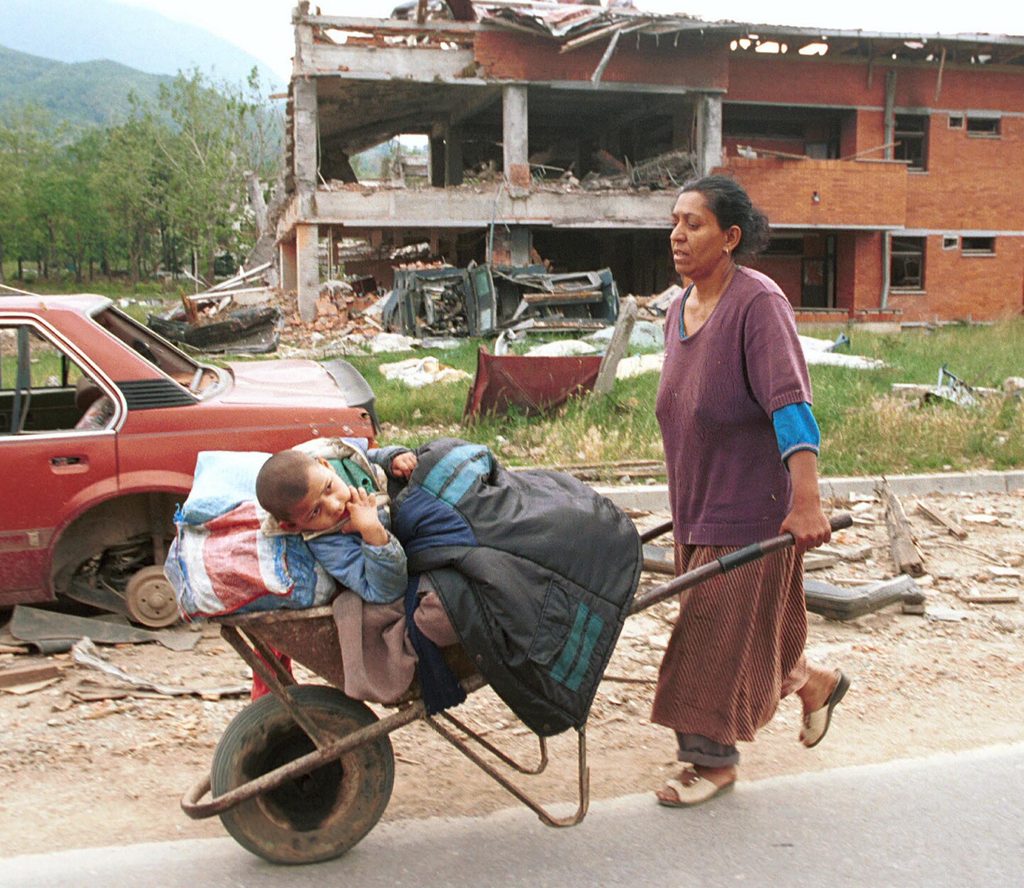
Public spending on social protection remains far below the European average, and fragmented, underfunded social services struggle to reach the most vulnerable (The Borgen Project, 2023; UNICEF, 2021c). Poverty drives child labour and street involvement, with children often compelled to beg or work, which reduces school attendance and limits educational opportunities. Among children living on the streets, 88% report poverty as the main reason, and only one quarter attend school (UNICEF, 2024b).
Housing insecurity is also severe among RAE communities, with at least three-quarters of Roma children lacking adequate housing. These groups live in extreme poverty, have limited access to basic services, and rely on low family incomes. They often rely on humanitarian aid for essentials (Eurochild, 2025b; ReliefWeb, 2024).
Children with disabilities
Children with disabilities in Kosovo often experience stigma and are excluded from community life (UNICEF, 2023). Many school buildings are physically inaccessible, and adapted learning materials are scarce (Belegu Caka, 2025; KOMF Kosova, 2024d). As a result, the number of children with disabilities attending mainstream schools is low. Many are enrolled in special schools or are excluded from education altogether (Belegu Caka, 2025).
Support services are also limited and fragmented. Early identification and intervention for developmental delays are often unavailable, which leads to delayed diagnoses that reduce the effectiveness of later interventions. The Ministry of Education has committed to hiring more teaching assistants, but the current staffing levels are still insufficient to meet the needs of all children with disabilities (KOMF Kosova, 2024d).
Diagnosis and specialised care are mostly in Pristina. Families in other regions must travel long distances and often face shortages of assistive devices (Leung & Nagavci, 2025). Recent legislation on material support for children with permanent disabilities assists only a small proportion of children and at insufficient levels (KOMF Kosova, 2024d). Additionally, girls with disabilities also have higher exposure to violence, have limited access to sexual and reproductive health services, and are excluded from educational and labour opportunities (Leung & Nagavci, 2025).
Minority children
Children from marginalised ethnic groups in Kosovo, especially RAE and some Serb communities, struggle with education, healthcare, and access to social services (Ahmeti, 2022; The Borgen Project, 2023). These children are disproportionately affected by poverty, and they often live in precarious conditions with limited access to clean water, sanitation, and basic resources. Many are compelled to work or beg to support their families.
Ethnic discrimination and social marginalisation further limit opportunities and well-being. Minority children experience higher mortality rates, lower educational outcomes, and persistent exclusion despite legal protections and minority employment quotas. Weak enforcement of equality measures, misuse of quotas, and lack of disaggregated data often leave RAE communities excluded from economic and social opportunities as public institutions favour other groups or majority applicants (Zeqiri, 2025).
Serb children are also affected by inter-ethnic tensions and insecurity. Documented incidents of violence contribute to fear and have reduced school enrolment in some areas (KoSSev, 2024). Schools also often lack the necessary resources to provide inclusive education, including transportation, learning materials in minority languages, and adequate teacher support. Parallel education systems for certain communities, such as Serbs, further limit opportunities for inter-ethnic interaction and understanding (Grazzi, n.d.).
Girls from marginalised communities also experience disadvantages. Early marriage is widespread, and over 85% of such unions are unregistered, leaving girls without legal protection (Zeqiri, 2025). This lack of legal recognition often results in school dropout, restricted access to employment, and increased dependency, with decisions typically controlled by fathers or families. Only 31% of girls from RAE communities’ complete upper secondary education, which is far below the national average (IndeksOnline, 2022).
Written by Or Salama
Last updated on 30 December 2025
References:
Ahmeti, G. (2022, April 4). Poverty within Kosovo’s minority communities forces children out of school. Retrieved from Prishtina Insight at https://prishtinainsight.com/poverty-within-kosovos-minority-communities-forces-children-out-of-school-mag/, accessed on September 11, 2025.
Bami, X. (2023, March 16). Too Many Children Suffering Abuse in Kosovo Schools, TV Show Hears. Retrieved from Balkan Insight at https://balkaninsight.com/2023/03/16/too-many-children-suffering-abuse-in-kosovo-schools-tv-show-hears/, accessed on September 14, 2025.
Bami, X. (2025, May 15). ‘A lot to work on’: Kosovo parents say kindergartens falling short. Retrieved from Balkan Insight at https://balkaninsight.com/2025/05/15/a-lot-to-work-on-kosovo-parents-say-kindergartens-falling-short/#:~:text=Countries-,’A%20Lot%20to%20Work%20On’:%20Kosovo%20Parents%20Say%20Kindergartens,also%20never%20forgot%20the%20incident., accessed on September 11, 2025.
Belegu Caka, V. (2025, January). Review on the situation of children with disabilities in inclusive education in Kosovo. Retrieved from Academicus International Scientific Journal at https://academicus.edu.al/nr31/Academicus-MMXXV-31-065-081.pdf, accessed on September 11, 2025.
Eurochild. (2025a, March). Child poverty and social exclusion. Retrieved from Eurochild at https://eurochild.org/uploads/2025/03/Eurochild-2024-Flagship-Sub-report-on-Child-Poverty-and-Social-Exclusion.pdf, accessed on September 11, 2025.
Eurochild. (2025b, April). Roma children across Europe. Retrieved from Eurochild at https://eurochild.org/uploads/2025/04/Eurochild-2024-Flagship-Sub-report-on-Roma-Children-across-Europe.pdf, accessed on September 14, 2025.
European Network on Statelessness. (n.d.). Kosovo. Retrieved from Statelessness Index at https://index.statelessness.eu/country/kosovo, accessed on September 13, 2025.
Grazzi, V. (n.d.). Educational challenges in Kosovo. Retrieved from Broken Chalk at https://brokenchalk.org/educational-challenges-in-kosovo/#:~:text=Investing%20in%20Infrastructure:%20A%20focused, accessed on September 11, 2025.
IndeksOnline. (2022, April 17). Poverty and school dropouts leading to early marriages. Retrieved from IndeksOnline at https://indeksonline.net/en/varferia-dhe-braktisja-e-shkkolles-qe-po-cojne-ne-martesa-te-hershme/, accessed on Sepetember 14, 2025.
IndeksOnline. (2025, August 29). Kosovo Police appeals: Let’s keep children safe on the internet. Retrieved from IndeksOnline at https://indeksonline.net/en/policia-e-kosoves-apelon-ti-mbajme-femijet-te-sigurt-ne-internet/, accessed on September 11, 2025.
KOMF Kosova. (2024a, February). Report card. What is Kosovo’s overall score for child care? Retrieved from KOMF Kosova at https://komfkosova.org/wp-content/uploads/2024/03/Report-Card-2024_English-FINAL.pdf, accessed on September 11, 2025.
KOMF Kosova. (2024b, March 28). High level of violence against children. Retrieved from KOMF Kosova at https://komfkosova.org/high-level-of-violence-against-children/?lang=en, accessed on September 11, 2025.
KOMF Kosova. (2024c, March 15). Kosovo with high levels of children living in Poverty. Retrieved from KOMF Kosova at https://komfkosova.org/kosovo-with-high-levels-of-children-living-in-poverty/?lang=en, accessed on December 19, 2025.
KOMF Kosova. (2024d, March 28). Integration and inclusion of children with disabilities remains a challenge for Kosovo. Retrieved from KOMF Kosova at https://komfkosova.org/integration-and-inclusion-of-children-with-disabilities-remains-a-challenge-for-kosovo/?lang=en#:~:text=The%20employment%20of%20100%20assistants,the%20right%20information%20and%20support., accessed on September 14, 2025.
Kosovo Online. (2025, May 8). Invisible to the system: Problems faced by Serbs with residence in Kosovo in obtaining Kosovo documents. Retrieved from Kosovo Online at https://www.kosovo-online.com/en/news/analysis/invisible-system-problems-faced-serbs-residence-kosovo-obtaining-kosovo-documents-8-5, accessed on September 14, 2025.
KoSSev. (2024, November 20). Struggles of Serb youth in Kosovo highlighted on World Children’s Day. Retrieved from KoSSev at https://kossev.info/struggles-of-serb-youth-in-kosovo-highlighted-on-world-childrens-day/, accessed on September 11, 2025.
Leung, A., & Nagavci, M. (2025). Situational analysis on the rights of persons with disabilities in Kosovo: Full report. Retrieved from United Nations Kosovo Team & Global Disability Fund at https://globaldisabilityfund.org/new/wp-content/uploads/2025/05/sitan-kosovo-full-report.pdf, accessed on September 13, 2025.
Lumezi, A. (2025, January 24). Political parties’ pledges on kindergartens. Retrieved from Kosovo 2.0 at https://kosovotwopointzero.com/en/political-parties-pledges-on-kindergartens/, accessed on September 11, 2025.
Millaku, J., Tasevska, D., Celcima, D., & Kraja-Bardhi, E. (2025, February). Exploring bullying and cyberbullying behaviors among adolescents in Kosovo: Gender differences, victimization, and fear predictors. Retrieved from ResearchGate at https://www.researchgate.net/publication/389086468_Exploring_bullying_and_cyberbullying_behaviors_among_adolescents_in_Kosovo_Gender_differences_victimization_and_fear_predictors, accessed on September 11, 2025.
Office of the Prime Minister. (2024). Report on the Implementation of the Strategy for the Advancement of the Rights of Roma and Ashkali Communities in the Republic of Kosovo 2022-2026 and of the Action Plan 2022-2024 for 2023. Retrieved from Office of the Prime Minister of the Republic of Kosovo at https://kryeministri.rks-gov.net/wp-content/uploads/2024/08/Report-on-the-implementation-of-the-Strategy-for-the-advancement-of-the-rights-of-roma-and-ashkali-communities.pdf, accessed on December 19, 2025.
Qamili, S. (2024, April 16). Early childhood development in Kosovo: A leap forward enacted with the new law. Retrieved from United Nations Kosovo at https://kosovoteam.un.org/en/266068-early-childhood-development-kosovo-leap-forward-enacted-new-law, accessed on September 11, 2025.
ReliefWeb. (2024, April 15). Breaking barriers: An analytical report on Roma children and women in Kosovo (UNSCR 1244), Montenegro, North Macedonia and Serbia (April 2024). Retrieved from ReliefWeb at https://reliefweb.int/report/serbia/breaking-barriers-analytical-report-roma-children-and-women-kosovo-unscr-1244-montenegro-north-macedonia-and-serbia-april-2024, accessed on September 14, 2025.
The Borgen Project. (2023, November 13). 5 facts about child poverty in Kosovo. Retrieved from The Borgen Project at https://borgenproject.org/child-poverty-in-kosovo#:~:text=Kosovo%20remains%20one%20of%20the, accessed on September 11, 2025.
UNICEF. (2021a, May 17). One case is too many: every child should feel safe and protected at all times. Retrieved from UNICEF at https://www.unicef.org/kosovoprogramme/press-releases/one-case-too-many-every-child-should-feel-safe-and-protected-all-times#:~:text=Yet%2C%20according%20to%202020%20Multiple,have%20experienced%20any%20violent%20discipline, accessed on September 14, 2025.
UNICEF. (2021b). Children in Kosovo. Retrieved from UNICEF at https://www.unicef.org/kosovoprogramme/children-kosovo#:~:text=Children%20are%20more%20likely%20to,7%25%20live%20in%20extreme%20poverty, accessed on September 14, 2025.
UNICEF. (2021c). Influencing policies and budgets for children.Retrieved from UNICEF at https://www.unicef.org/kosovoprogramme/social-policy#:~:text=Challenges,children%20and%20families%20in%20Kosovo, accessed on September 14, 2025.
UNICEF. (2022). Protecting children from poverty and violence. Retrieved from UNICEF at https://www.unicef.org/kosovoprogramme/child-protection#:~:text=Once%20a%20child%20ages%20out,reintegration%20and%20prevention%20of%20recidivism, accessed on September 13, 2025.
UNICEF. (2023). Untying the knot for children with disabilities. Retrieved from UNICEF at https://www.unicef.org/kosovoprogramme/untying-knot-children-disabilities, accessed on September 14, 2025.
UNICEF. (2024a). Think before you share. Retrieved from UNICEF at https://www.unicef.org/kosovoprogramme/think-you-share#:~:text=According%20to%20UNICEF%2C%201%20in,a%20result%20of%20cyberbullying%20incidents, accessed on September 14, 2025.
UNICEF. (2024b, February 28). Only 1 in 4 children in street situations is currently attending school, reads new study released by UNICEF and the EU in Kosovo. Retrieved from UNICEF at https://www.unicef.org/kosovoprogramme/press-releases/only-1-4-children-street-situations-currently-attending-school-reads-new-study#:~:text=When%20asked%20about%20the%20sources, accessed on September 11, 2025.
United Nations Mission in Kosovo (UNMIK). (2025, March 7). Promoting the right to identity: A path to equal access to civil registration in Kosovo. Retrieved from UNMIK at https://unmik.unmissions.org/promoting-right-identity-path-equal-access-civil-registration-kosovo-0, accessed on September 14, 2025.
U.S. Department of Labor. (2024a). Child Labor and Forced Labor Reports. Retrieved from U.S. Department of Labor at https://www.dol.gov/agencies/ilab/resources/reports/child-labor/kosovo, accessed on September 11, 2025.
U.S. Department of Labor. (2024b). 2023 findings on the worst forms of child labor: Kosovo. Retrieved from U.S. Department of Labor at https://www.dol.gov/sites/dolgov/files/ILAB/child_labor_reports/tda2023/Kosovo.pdf, accessed on September 11, 2025.
U.S. Department of State. (2024). 2024 Trafficking in Persons Report: Kosovo. Retrieved from U.S. Department of State at https://2021-2025.state.gov/reports/2024-trafficking-in-persons-report/kosovo/, accessed on September 11, 2025.
Zeqiri, A. (2025, June 27). Roma, Ashkali, and Egyptian communities in Kosovo face double burden of poverty and discrimination. Retrieved from Prishtina Insight at https://prishtinainsight.com/roma-ashkali-and-egyptian-communities-in-kosovo-face-double-burden-of-poverty-and-discrimination-mag/, accessed on September 13, 2025.
[1] This article by no means purports to give a full or representative account of children’s rights in Kosovo; indeed, one of many challenges is the scant updated information on children in Kosovo, much of which is unreliable, not representative, outdated or simply non-existent.