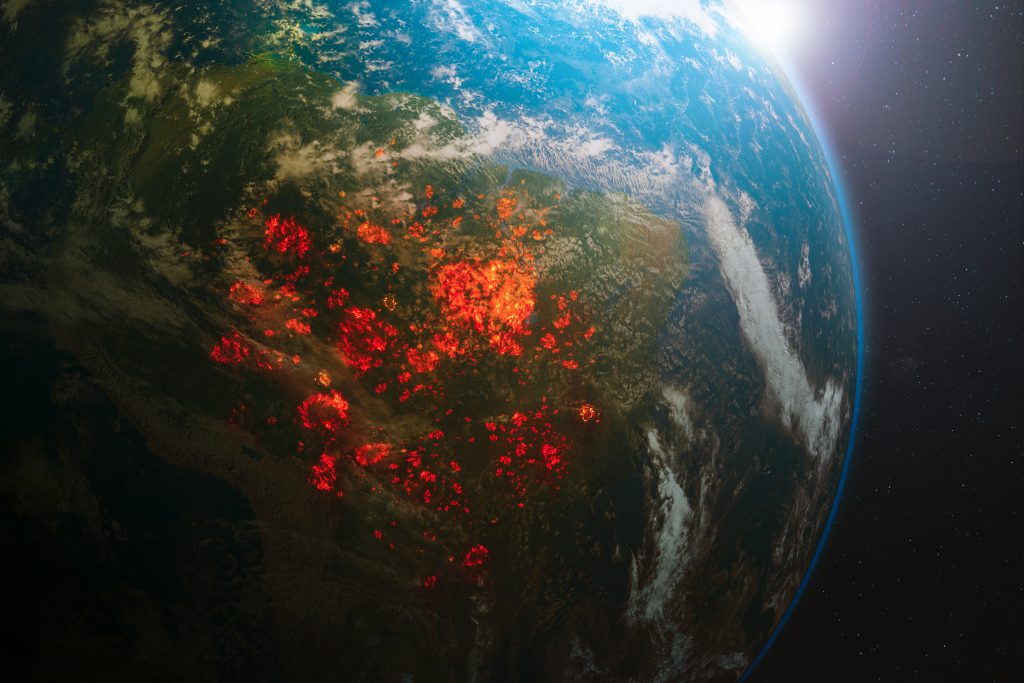


In 2025, children’s rights remain gravely endangered worldwide, with millions denied access to healthcare, education, and protection. Armed conflicts in Africa, the Middle East, and the Americas, environmental and climate-driven crises across Asia and the Pacific, and rising criminal exploitation in Europe and the Caribbean have resulted in widespread child fatalities, displacement, hunger, and deep psychological trauma. From Gaza and South Sudan to Myanmar, Haiti, and Ukraine, children continue to bear the heaviest burden of violence, poverty, institutional failures, and systemic neglect.
Armed conflict and water crisis in Africa
In Africa, conditions for children remain devastatingly difficult. In South Sudan, despite a 2020 ceasefire, armed clashes resurged in early 2025, displacing thousands and blocking humanitarian aid. Over 25,000 South Sudanese, including many children, crossed into Sudan in a single month seeking refuge (ONU Info, 2025).
The recruitment of child soldiers remains a serious violation, with at least 152 children recruited into armed groups in 2023 alone. Children are experiencing severe malnutrition, with clashes in Upper Nile blocking aid to 60,000 malnourished children (Holland & Heinrich, 2025).
In late 2025, South Sudan’s hunger crisis has sharply worsened as conflict, flooding, and a cholera outbreak converge, pushing the country toward one of the world’s most severe emergencies. It is estimated that by mid-2026, 3.5 million children will be experiencing acute hunger, with parts of Upper Nile at risk of famine (Save the Children, 2025).

Meanwhile, Sudan‘s civil war has become one of the world’s largest displacement crises. More than 30 million people need urgent assistance, and 15 million have been forced from their homes. Children account for a significant portion of those affected, with 13 million out of school. Sexual violence is being used systematically against women and children, with girls being abducted and assaulted, and boys being armed and sent to fight (Ghelani, 2025).
In Niger, children are enduring a water crisis that threatens their health and education. Around 13.4 million people lack access to clean water near their homes. Water-related diseases like cholera and malaria are widespread, with diarrhea being the second leading cause of death among young children (WaterAid, n.d.). Climate change has made matters worse, with rising temperatures expanding the Sahara Desert. Many girls spend up to five hours a day fetching water, leaving them no time for school (Swissaid, n.d.)
Female genital mutilation (FMG) remains almost universal in Somalia, with about 99% of women and girls aged 15–49 having undergone the practice, and new reports note that new legal steps have not stopped cutting in most communities (UNICEF, 2025). In The Gambia, FGM is still carried out on very young children, and the death of a one-month-old baby in August 2025 made clear that cutting continues despite the national ban (Archer, 2025).
A severe humanitarian crisis in the Middle East
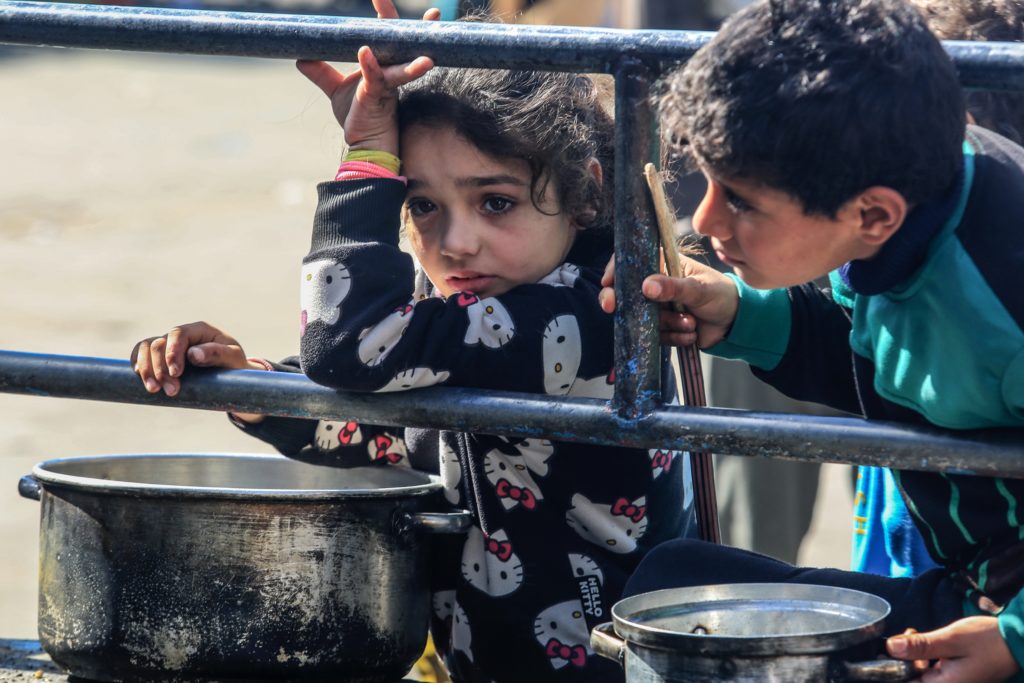
The most devastating violation of children’s right to life continues to unfold in the Occupied Palestinian Territories. Since Israel’s escalation of military operations in October 2023, hunger in Gaza has reached record levels, with children suffering the most.
Children account for 80% of hunger-related deaths in Gaza, with over 18,700 children hospitalized for acute malnutrition throughout 2025. Despite a ceasefire that took effect in early October 2025, the crisis remains catastrophic (Amnesty International, 2025).
Israel’s continued attacks in Gaza have severely undermined the ceasefire, with UN experts reporting at least 393 violations, including 339 Palestinians killed, more than 70 children, and repeated strikes across all governorates despite the truce (OHCHR, 2025).
Gaza’s healthcare system remains devastated. Doctors describe children “with severe burns, shrapnel wounds, spinal injuries, traumatic brain injuries, children with cancer who have lost months of treatment, premature babies who need intensive care” (UN, 2025). Around 4,000 children are still waiting to be evacuated for life-saving treatment. In addition, the hunger crisis persists despite some aid entering Gaza. Families continue to survive on canned food and dry rations, while market prices remain out of reach.
Violence also escalated in the West Bank, where Israeli settlers and soldiers intensified assaults on Palestinian families and children as Israel advanced legislation to extend its sovereignty into parts of the territory, a move UN experts warned would amount to de jure annexation (OHCHR, 2025).
Additionally, refugee children in Jordan continue to experience hardships. The country hosts about 2 million Palestinian refugees and more than 750,000 refugees from other countries, and around half are children. Many of these children endure poverty, malnutrition, and limited access to education and healthcare due to deteriorating conditions and reduced funding (Amnesty International, 2024). By late 2025, the situation remains difficult as Jordan still shelters one of the largest refugee populations in the region (UNHCR, 2025).
Criminal exploitation, online abuse, and institutional failures in Europe
Across Europe, children encounter a range of crises that highlight systemic failures in protection. From criminal gang recruitment to online exploitation and institutional abuse, vulnerable children continue to suffer from inadequate support and oversight.
In Sweden, criminal gangs are deliberately recruiting children as young as 10 to carry out violent acts, transport drugs, and handle weapons. In 2024, approximately 1,700 children were identified as active members of criminal networks, making up 13% of the country’s organized crime actors. The number of children involved in shootings has tripled over five years (Ekman, 2025).

In Belgium, children as young as thirteen are being recruited into drug trafficking networks around the Port of Antwerp – currently Europe’s largest entry point for cocaine. Many of these minors are unaccompanied children from abroad who are quickly absorbed into organized crime. They are beaten, drugged, and forced to carry out dangerous tasks, suffering deep physical and psychological trauma (Townsend, 2024).
The Netherlands has become a major global hub for child sexual abuse material (CSAM), hosting about 29% of all CSAM URLs worldwide in 2024. Across the EU, more than 62% of global CSAM was hosted on European servers. AI-generated CSAM has surged by 380%, creating new and complex threats to child protection (IWF, 2025).
Additionally, around 4.6 million children in Ukraine are struggling to access education for a fourth school year, as air-raid alarms, damaged schools, and unsafe conditions keep many classes online. In 2025 alone, more than 340 schools were damaged or destroyed, adding to the roughly 2,800 since 2022 and leaving close to one million children relying on remote learning (UN, 2025).
Child rights crises across Asia and the Pacific
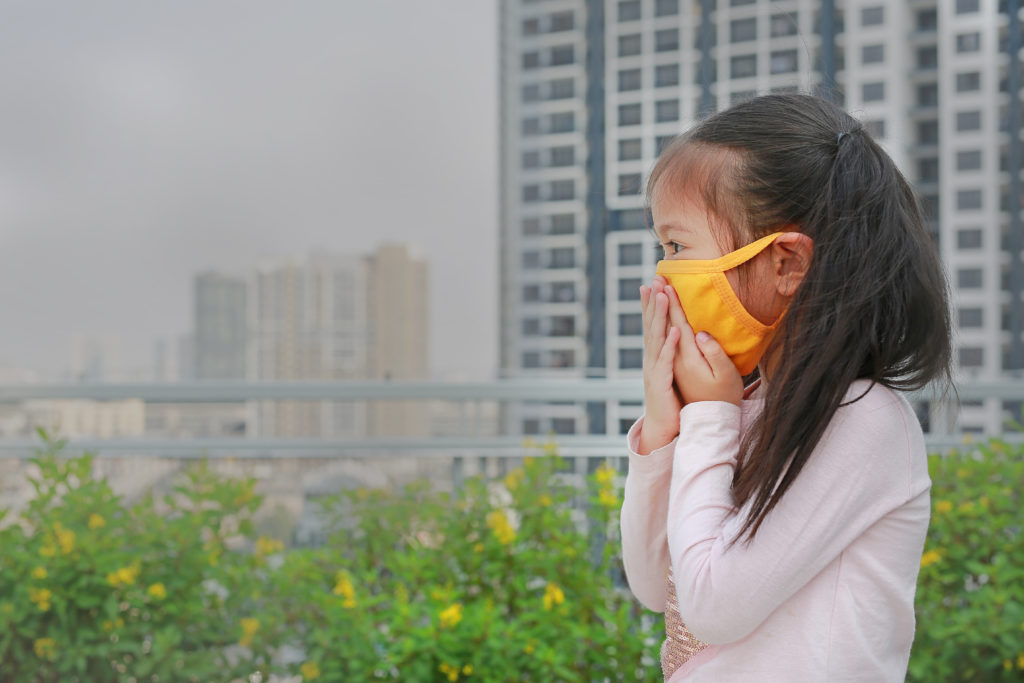
In Thailand, air pollution has become a full-scale public health emergency, with children at its center. Millions of Thai children are regularly exposed to hazardous concentrations of PM2.5. In 2023, children in Bangkok were exposed to pollution levels exceeding WHO safe thresholds on 265 out of 365 days (Save the Children, 2024). Air pollution in East Asia and the Pacific is linked to over 100 deaths of children under five every day (UNICEF, 2025).
The Philippines has become one of the most prominent global hubs for livestreamed child sexual abuse. Due to extreme poverty, family complicity, and unchecked internet expansion, children are exploited in real-time for foreign predators. A study found that 1 in 5 Filipino children aged 12-17 had experienced online sexual abuse (Landry, 2024). At the same time, the Philippines continues to struggle with a growing teenage pregnancy crisis, after three years of steady decline (Boholst, 2025).
Additionally, the ongoing conflict in Myanmar has forced thousands of children to flee to Thailand, where they are met with serious difficulties accessing education. An estimated 50,000 Myanmar migrant children are currently studying in Thailand, but many struggle due to their family’s legal status, language barriers, and financial hardship (RFA, 2024).
In 2025, New Zealand had the highest child suicide rate among 36 high-income nations. In addition, severe bullying rates and growing hardship as been reported in the country, as children struggle with poverty, insecure housing, and limited access to mental-health support (RNZ, 2025).
As Western Australia opened its long-awaited Stolen Generations Redress Scheme in late 2025 (Government of Western Australia, 2025), between 3,000 and 3,500 Aboriginal people who were taken from their families as children under past government removal policies reflected on the traumatic experiences they endured and are now, for the first time, able to seek formal compensation (Perpitch, 2025).
Ongoing child rights violations in the Americas and the Caribbean
Sexual violence against girls remains a widespread and systemic crisis in Guatemala, with authorities failing to prevent abuse or protect young survivors. Between 2018 and 2024, 14,696 girls under 14 gave birth, many after rape, and access to health care, education, and social security remains severely limited for child survivors (Human Rights Watch, 2025).
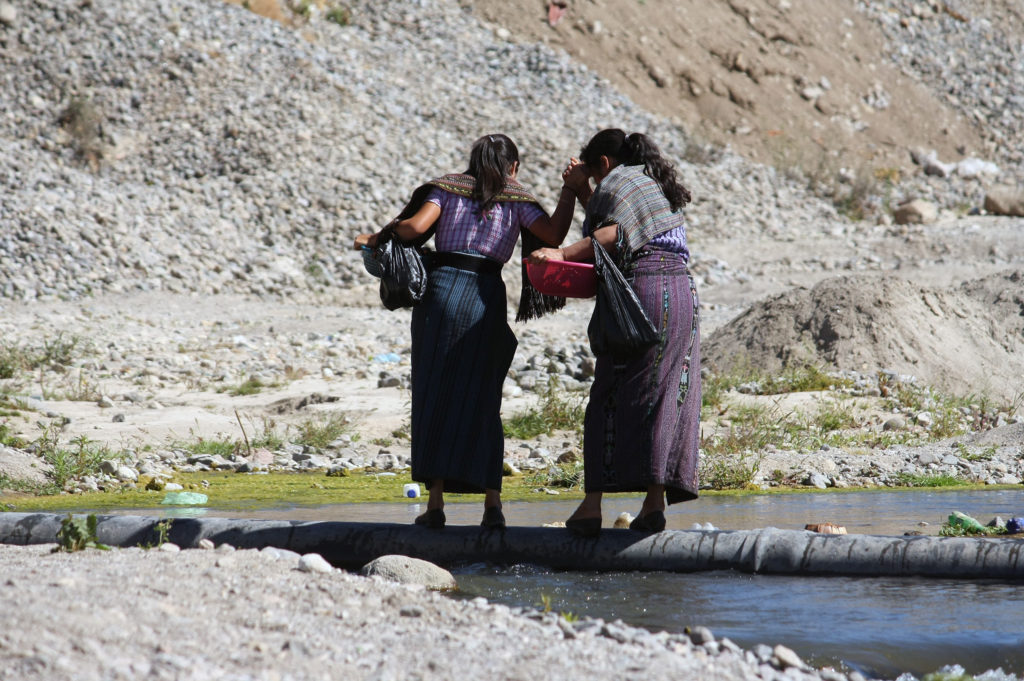
Amid rising violence and deepening poverty in Guatemala, the abrupt end of U.S. aid has left thousands of vulnerable children. In high-risk regions like Huehuetenango, where more than 8,000 cases of violence against women have recently been recorded, the IRC reports that children are growing more exposed to displacement, poverty and trafficking (IRC, 2025).
In Haiti, children are growing up amid extreme violence, widespread displacement, and the collapse of essential services. Armed gangs now control most of Port-au-Prince, driving families from their homes and cutting children off from education, healthcare, and protection. An estimated half a million children live under gang influence, with many coerced into joining armed groups or subjected to sexual and physical violence (Al Jazeera, 2025).
Humanium’s continuous and passionate advocacy for children’s rights
This year has been especially difficult for millions of children around the world. Many are suffering because of war, environmental disasters, criminal exploitation, and the failure of institutions meant to protect them. Strong national and international action is urgently needed to defend children’s rights.
At Humanium, we continue to raise awareness and call for equal rights for every child, no matter their age, gender, race, or nationality. Our work aims to build a world where children grow up with safety, education, and hope, not poverty and fear. If you share our vision and wish to support our mission, please consider sponsoring a child, making a donation, or volunteering in the upcoming year.
Wishing you a year filled with small joys and big dreams coming true. From our Humanium family to yours – Happy New Year!
Written by Lidija Misic
Bibliography:
Al Jazeera (2025). Gang recruitment of children in Haiti rises by 70 percent: UN. Retrieved from Al Jazeera at https://www.aljazeera.com/news/2024/11/25/gang-recruitment-of-haitian-children-soars-by-70-percent-un, accessed on November 26, 2025.
Amnesty International (2024). Jordan. Retrieved from Amnesty International at https://www.amnesty.org/en/location/middle-east-and-north-africa/middle-east/jordan/report-jordan/, accessed on November 26, 2025.
Amnesty International (2025), Gaza: Evidence points to Israel’s continued use of starvation to inflict genocide against Palestinians. Retrieved from Amnesty International at https://www.amnesty.org/en/latest/news/2025/07/gaza-evidence-points-to-israels-continued-use-of-starvation-to-inflict-genocide-against-palestinians/, accessed on November 26, 2025.
Archer, G. (2025), Death charges in Gambia over female genital mutilation. Retrieved from Maghrebi at https://maghrebi.org/2025/08/15/death-charges-in-gambia-over-female-genital-mutilation/, accessed on November 30, 2025.
Bangkok Post (2025), UNICEF: Air pollution killing 100 Asian children daily. Retrieved from Bangkok Post at https://www.bangkokpost.com/world/2955446/unicef-air-pollution-killing-100-asian-children-daily, accessed on November 26, 2025.
Boholst I. (2025), South Cotabato Strengthens Action Against Rising Teenage Pregnancy Cases. Retrieved from the Provincial Government of South Cotabato at https://southcotabato.gov.ph/south-cotabato-strengthens-action-against-rising-teenage-pregnancy-cases/, accessed on November 30, 2025.
Ekman T. (2025), Alarming rise in youth crime in Sweden. Retrieved from International Youth Service of the Federal Republic of Germany (IJAB) at https://ijab.de/en/topics/internationalisation-of-youth-services/current-articles-on-internationalisation-of-youth-services/alarming-rise-in-youth-crime-in-sweden, accessed on November 26, 2025.
Ghelani R. (2025), In Sudan, war is being waged on women and children. Retrieved from Al Jazeera at https://www.aljazeera.com/opinions/2025/11/6/in-sudan-war-is-being-waged-on-women-and-children, accessed on November 25, 2025.
Government of Western Australia (2025), WA Stolen Generations Redress Scheme open for applications. Retrieved from the Government of Western Australia at https://www.wa.gov.au/government/media-statements/Cook%20Labor%20Government/WA-Stolen-Generations-Redress-Scheme-open-for-applications-20251110, accessed on November 30, 2025.
Holland, H., & Heinrich, M. (2025). South Sudan clashes block aid to 60000 malnourished children. Retrieved from Reuters at https://www.reuters.com/world/africa/south-sudan-clashes-block-aid-60000-malnourished-children-2025-05-08/, accessed on November 26, 2025.
Human Rights Watch, Report (2025). “All I Know Is I Want Them Home” – Disproportionate Removal of Aboriginal Children from Families in Western Australia. Retrieved from Human Rights Watch at https://www.hrw.org/sites/default/files/media_2025/03/australia0325%20web_0.pdf, accessed on November 30, 2025.
Human Rights Watch (2025), Guatemala: Failed Response to Sexual Violence Against Girls. Retrieved from Human Rights Watch at https://www.hrw.org/news/2025/02/18/guatemala-failed-response-sexual-violence-against-girls, accessed on November 30, 2025.
Internet Watch Foundation. (2025), Charity raises alarm over surge in level of child sexual abuse imagery hosted in EU. Retrieved from Internet Watch Foundation at https://www.iwf.org.uk/news-media/news/charity-raises-alarm-over-surge-in-level-of-child-sexual-abuse-imagery-hosted-in-eu/, accessed on November 26, 2025.
IRC (2025), Amid U.S. aid cuts the IRC delivers critical protection services in Guatemala. Retrieved from International Rescue Committee at https://www.rescue.org/eu/article/amid-us-aid-cuts-irc-delivers-critical-protection-services-guatemala, accessed on November 30, 2025.
Landry G. (2024), ASEAN must do more to protect children from online sexual abuse. Retrieved from the Jakarta Post at https://asianews.network/asean-must-do-more-to-protect-children-from-online-sexual-abuse/, accessed on November 26, 2025.
OHCHR (2025), UN experts urge States to act as Israeli violations threaten fragile Gaza ceasefire. Retrieved from OHCHR at https://www.ohchr.org/en/press-releases/2025/11/un-experts-urge-states-act-israeli-violations-threaten-fragile-gaza, accessed on November 30, 2025.
ONU Info. (2025), En un mois, plus 25 000 Sud‑Soudanais ont fui pour se réfugier au Soudan en guerre. Retrieved from ONU Info at https://news.un.org/fr/story/2025/05/1155746, accessed on November 26, 2025.
Perpitch N. (2025), Redress scheme opens for 3,000 Stolen Generations survivors in WA. Retrieved from https://www.abc.net.au/news/2025-11-10/wa-stolen-generations-redress-scheme-begins/105992142, accessed on November 30, 2025.
RFA Burmese. (2024). Thailand closes 6 schools for Myanmar migrant children in Surat Thani. Retrieved from BenarNews at https://www.benarnews.org/english/news/thai/schools-for-myanmar-children-close-in-surat-thani-09132024162609.html, accessed on November 26, 2025.
RNZ (2025), New Zealand has highest child suicide rate, a survey of wealthy countries shows. Retrieved from Radio New Zealand at https://www.rnz.co.nz/news/national/561037/new-zealand-has-highest-child-suicide-rate-a-survey-of-wealthy-countries-shows, accessed on November 30, 2025.
Save the Children. (2024). Bangkok’s children exposed to toxic air seven out of ten days in 2023 – Save the Children. Retrieved from Save the Children at https://www.savethechildren.net/news/bangkoks-children-exposed-toxic-air-seven-out-ten-days-2023-save-children, accessed on November 26, 2025.
Save the children (2025), South Sudan: Over Half of Children Set to Go Hungry as Conflict and Floods Collide in One of the World’s Worst Hunger Crises. Retrieved from Save the Children at https://www.savethechildren.net/news/south-sudan-over-half-children-set-go-hungry-conflict-and-floods-collide-one-worlds-worst, accessed on November 30, 2025.
Swissaid. (n.d.). Youth in Niger draw water – and hope. Retrieved from Swissaid at https://www.swissaid.ch/en/projects/youth-in-niger-draw-water-and-hope/, accessed on November 26, 2025.
Townsend Mark (2024), Beaten and tortured: the north African children paying a bloody price for Europe’s insatiable appetite for cocaine. Retrieved from The Guardian at https://www.theguardian.com/global-development/ng-interactive/2024/jun/11/north-african-children-beaten-tortured-europe-cocaine-gangs, accessed on November 26, 2025.
UN (2025), Ukraine’s children enter fourth school year under invasion as 4.6 million face education barriers. Retrieved from United Nations at https://news.un.org/en/story/2025/11/1166459, accessed on November 30, 2025.
UNHCR (2025), Jordan. Retrieved from UNHCR at https://www.unhcr.org/where-we-work/countries/jordan?dataset, accessed on November 30, 2025.
UNICEF (2025). Breaking the silence: Somalia’s legislative journey to end female genital mutilation. The rise of legal and social reform to end FGM in Somalia. Retrieved from UNICEF at https://www.unicef.org/somalia/blog/breaking-silence-somalias-legislative-journey-end-female-genital-mutilation, accessed on November 30, 2025.
UNICEF. (2025). The silent killer: Over 100 daily deaths of children under five linked to air pollution in East Asia and the Pacific. Retrieved from UNICEF at https://www.unicef.org/thailand/press-releases/silent-killer-over-100-daily-deaths-children-under-five-linked-air-pollution-east, accessed on November 26, 2025.
United Nations (2025), Gaza: Two children killed every day during fragile ceasefire, says UNICEF. Retrieved from United Nation at https://news.un.org/en/story/2025/11/1166420, accessed on November 25, 2025.
WaterAid. (n.d.). Niger. Retrieved from WaterAid at https://www.wateraid.org/where-we-work/niger, accessed on November 26, 2025.