

Realizing children’s rights in Bulgaria
Bulgaria ratified the Convention on the Rights of the Child (CRC) in 1991 and has since taken significant steps to align its child protection framework with international standards. However, challenges remain that continue to hinder the full realisation of children’s rights, notably in relation to violence against children, discrimination against Roma children and family separation.
Population: 6.8 million
Population aged 0-14: 6.6%
Life expectancy: 71.3 years
Under-5 mortality rate: 6.1 ‰
Bulgaria at a glance
The Republic of Bulgaria (Republika Bŭlgariya) occupies the eastern portion of the Balkan Peninsula in southeastern Europe. Nearly rectangular in outline, the country is bounded by Romania to the north, with most of the border marked by the lower Danube River. The Black Sea lies to the east, Turkey and Greece to the south, North Macedonia to the southwest, and Serbia to the west (Britannica, 2025).
Bulgaria is known for its diverse scenery and its rugged mountains and relaxing Black Sea resorts attract several visitors. Like other nations of the Balkan Peninsula, Bulgaria reflects a blend of Eastern and Western cultures, evident in its cuisine, architecture, and religious heritage.
Emerging from centuries of Ottoman rule, Bulgaria gained independence in the late 19th century, joined the losing side of several conflagrations in the first half of the 20th century, and, despite gravitating toward the Axis powers in World War II, found itself within close orbit of the Soviet Union by mid-century. This alliance had profound effects on the Bulgarian state and psyche, altering everything from land use and labour practices to religion and the arts (Britannica, 2025).
Following the collapse of communist governments in Eastern Europe in the late 1980s and early 1990s, Bulgaria transitioned from Soviet influence toward Western integration. The country became a member of the North Atlantic Treaty Organization (NATO) in 2004 and of the European Union (EU) in 2007 (Britannica, 2025).
According to the data about self-determination by ethnicity collected through the 2021 census, 84.6 percent of the persons who answered the question about ethnicity identify themselves as belonging to the Bulgarian ethnic group, 8.4 percent to the Turkish ethnic group, 4.4 percent to the Roma ethnic group and 1.3 percent to other ethnic groups. Amongst the respondents, 1.3 percent of respondents preferred not to answer, or they could not self-determine (NSI, 2021).
Status of children’s rights [1]
Bulgaria has ratified several legal instruments for the protection and promotion of children’s rights, namely, the International Covenant on Economic, Social and Cultural Rights (CESCR) in 1970, the Convention on the Elimination of All Forms of Discrimination against Women (CEDAW) in 1982 and the International Convention on the Elimination of All Forms of Racial Discrimination (CERD) in 1966 (OHCHR, n.d.).
On 11 April 1991, the Bulgarian Parliament ratified the Convention on the Rights of the Child (CRC) without any reservations on the texts. Bulgaria has also ratified the Optional Protocol to the Convention on the Rights of the Child on the Involvement of Children in Armed Conflict (OPAC) in 2002 and the Optional Protocol to the Convention on the Rights of the Child on the Sale of Children, Child Prostitution and Child Pornography (OPSC) in 2001 (OHCHR, n.d.). However, Bulgaria did not ratify the Optional Protocol on a Communications Procedure (OPIC) (OPIC, CRC, n.d.).
While Bulgaria has been submitting periodic reports to the UN Committee on the Rights of the Child, there have been ongoing concerns about the full implementation of children’s rights in the country. Following the last State’s periodic reports (fifth and sixth), in 2024, the Committee on the Rights of the Child published its consideration regarding the current state of the implementation of the CRC (OHCHR, 2024).
The Committee noted the reduced infant mortality rates, the deinstitutionalisation policy and measures to address child poverty in Bulgaria. However, the Committee raised concern about the high dropout and absenteeism rates, poor quality of education and disparities in educational attainment and outcomes for children in disadvantaged situations. Moreover, the Committee also noted the lack of progress in reforming the child justice system, which ensures that children under the minimum age of criminal responsibility are not subject to punitive measures and phasing out correctional boarding schools (OHCHR, 2024).
Addressing the needs of children in Bulgaria
Right to health
Bulgaria has a universal health system based on compulsory social health insurance (SHI), administered by the National Health Insurance Fund. Voluntary health insurance (VHI) plays a small role. However, despite the legal system being designed for universal health coverage, is regulated between 11-12 percent of the population remains uninsured (Dimova, 2024).
Bulgarian healthcare legislation has traditionally ensured the provision of health services for maternal and child health. The Healthcare Act sets out the general provisions on the rights of children as patients and child healthcare. It regulates the most valuable aspect of the Bulgarian child healthcare system: the right of all children to receive full medical care, free of charge, until eighteen years of age and the right to unlimited access to health services provided by both a general practitioner and a paediatrician (ISSA, n.d.).
Bulgaria continues to rank last in the European Union in indicators such as the number of stillbirths, child and neonatal mortality, and child hospitalisations (Krassen, 2025). The infant mortality rate (6.1 per 1,000 live births in 2016) is twice higher than the European Union average which in 2023 was equivalent to 3.3 deaths per 1 000 live births.
According to UNICEF, 9.5 percent of live births are from adolescent girls and young women aged below 20 and 13 percent of all births annually are to women without health insurance and limited access to health care. Many children do not receive nurturing care during the first years of life due to poverty, lack of responsive caregiving and insufficient opportunities for early learning from birth (UNICEF Bulgaria, n.d.).
Right to education
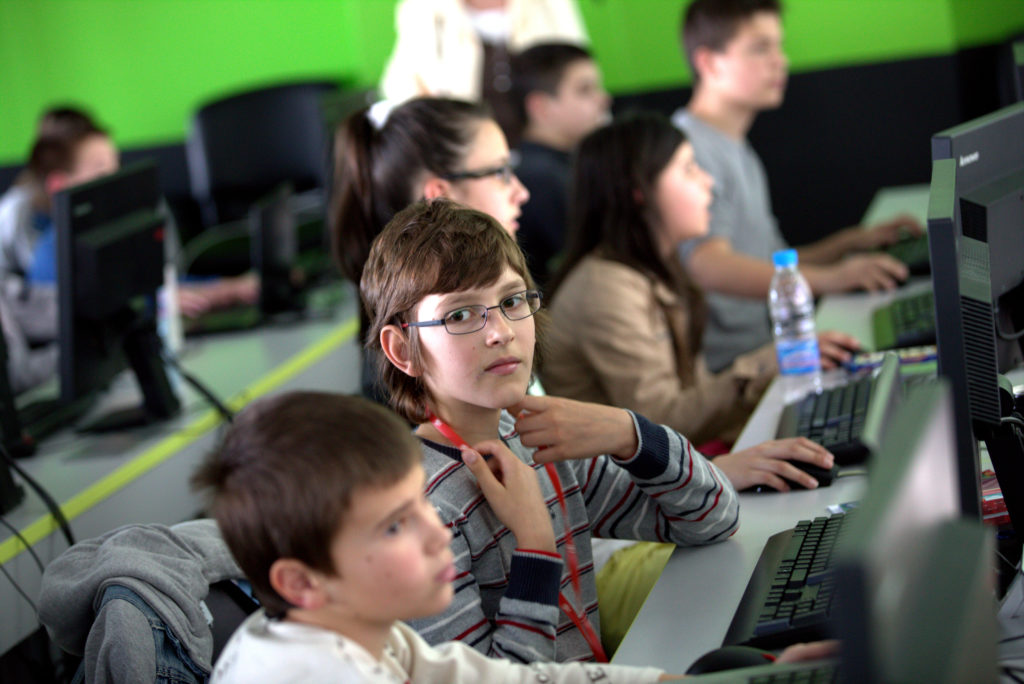
School education is compulsory in Bulgaria from the age of 6/7 to the age of 16. Since 2010, Bulgarian children must also attend two years of pre-school education at a kindergarten before starting school. Parents must pay a monthly fee for kindergartens, which may be a barrier to access for some families (UNICEF Bulgaria, 2020). The Bulgarian education system is divided into general education (grades 1 to 7), which includes primary education (grades 1 to 4) and lower-secondary education (grades 5 to 7), and upper-secondary education (grades 8 to 12). Upper secondary education can be general (undertaken in a general or specialised secondary school) or vocational (undertaken in a vocational school) (UNICEF Bulgaria, 2020).
According to some data provided by UNICEF, fewer than 80 percent of children aged 3 to 4 attend kindergartens, and about 1,000 school-age children do not enrol in school every year (UNICEF Bulgaria, n.d.). Furthermore, an additional 10,000 children drop out of primary education every year, and 1 in 10 children do not attend compulsory education between the ages of 7 and 15 (SOS Children’s Villages, n.d.).
When it comes to Roma people, the percentages increase, reaching 45 percent of Roma children who do not attend preschool and 15 percent who do not attend school. Finally, it is estimated that about 14,000 children with disabilities are out of school and kindergarten (UNICEF Bulgaria, n.d.).
One of the main barriers to accessing education is poverty and parents being unable to pay the hidden costs of education (SOS Children’s Villages, n.d.). Schools in low-income municipalities of Bulgaria struggle to maintain a good quality of education. Even though the Bulgarian government mandates the provision of cost-free pre-primary education, many areas still lack the resources to provide this education free of charge.
Furthermore, Bulgarian municipalities with limited finances are unable to guarantee sufficient heating in all rooms during the winter. Without the guarantee of high-quality education in an environment conducive to learning, it is difficult for children to escape generational poverty (Rogers, 2022).
Moreover, the education of parents and family members is also an important factor in child poverty in Bulgaria as higher education can help individuals secure skilled, higher-paying employment opportunities (Rogers, 2022). In Bulgaria, 80 percent of adults whose parents went to university also went to university. But only 5 percent of adults whose parents didn’t finish high school reached that same level. This stark contrast highlights how unequal opportunities can pass from generation to generation (OECD, 2024).
However, in recent years, Bulgaria has taken steps to strengthen the right to education. One major change has been the extension of compulsory education, which now starts at age 4 and continues until age 16. This reform aims to improve school participation, especially among young children. Despite this step, challenges remain, such as ensuring equal funding across regions and as well as supporting teachers. For example, teachers in Bulgaria’s lower secondary schools are contracted to teach only 444 hours a year, far below the OECD average of 706 hours. (OECD, 2024).
Right to freedom
There are already some structures that mainstream child participation, such as the Council for Children. It was established as an advisory body to the chairman of the State Agency for Child Protection. The Council is made of children between the age of 14-18 from all 28 administrative regions in Bulgaria, also including children from vulnerable groups and children granted international protection (Eurochild, 2024).
Children in the Council took part in the drafting of the National Strategy for the Child 2024-2030. In fact, between October and December 2023, the State Agency for Child Protection, in cooperation with the Ministry of Labour and Social Policy, conducted the initiative “The Voice of Children and their Families” related to the development of the draft of the National Strategy for the Child 2024-2030 (Eurochild, 2024).
A series of discussions were held with different target groups of children (Roma children, children placed in institutions after committing an antisocial act, children from residential services, children placed in foster families, children with special needs, preschool children, children with outstanding gifts, etc). The initiative took place in several cities in Bulgaria, and it aimed to outline the main challenges to the development of children and the possibilities to overcome them. The children’s opinions and suggestions captured during the discussions within the Initiative were reflected in the draft of the National Strategy for the Child 2024-2030 (Eurochild, 2024).
Right to protection
The child protection system in Bulgaria remains relatively underdeveloped, having only been established around two decades ago. It was built on a model inspired by various Western European systems, particularly the British one, but lacks a clear, locally grounded identity. While countries like the UK are now rethinking their child protection practices, Bulgaria continues to struggle with basic structural issues. These include responding adequately to child violence and neglect, as well as delivering effective social work interventions to vulnerable families (Toneva, 2024).
The lingering legacy of institutional care complicates matters further. For over 50 years, Bulgaria operated a vast network of state-run institutions, where placing children was the standard response to almost any family difficulty, especially those linked to poverty (Toneva, 2024). To give a measure of this phenomenon, the Action Plan of Bulgaria for the period between 2010-2015 includes the closure of 137 institutions by February 2025 and ban on residential care for 0–3-year-olds beyond 2025 (UNICEF, 2014).
Today, although most of these institutions have been closed, the mindset they left behind remains. There is still a widespread belief – among both professionals and parents – that the state can offer better care than families experiencing hardship. This attitude influences decisions around child placement and shapes the interpretation of family problems.
Parents living in poverty often internalise blame and perceive family separation as inevitable or even deserved. As a result, they hesitate to ask for help, fearing that their words may be used against them. This silence leads to the invisibility of poverty-related challenges within the child protection system, making it difficult to distinguish between real neglect and structural disadvantage (Toneva, 2024).
Research shows that poverty is the most common factor in decisions to remove children from their families in Bulgaria. While child protection reports often refer to “social neglect,” “low parental capacity,” or “irresponsible behaviour,” they rarely acknowledge the role of poverty explicitly. Yet, in most cases, separation occurs when poverty is combined with other stressors, such as disability, addiction, or domestic violence.
These factors alone do not usually lead to separation, but when paired with poverty, they often do. By failing to name poverty as a key issue, the system avoids addressing the deeper causes of family vulnerability, thereby reinforcing the social marginalisation of the families it is meant to protect (Toneva, 2024).
Risk factor –> Country-specific challenges
Violence against children
Sexual violence
Around 16 percent, or almost 1 in 6 children and young people, reported having ever experienced sexual violence as a child. Girls (2 in 10) were significantly more likely than boys (1 in 10) to have been victims of sexual violence. Girls were twice as likely as boys to report being sexually harassed online, three times more likely to report experiences of (offline) sexual harassment and sexual assault, and almost five times as likely to report being forced into sex. In line with global trends, the most common perpetrators of sexual violence were found to be individuals known to the victim (UNICEF Bulgaria, 2020).
As with other types of violence, children with disabilities are at particular risk of sexual violence. They were twice as likely to report being harassed online and as much as eight times more likely to report having been sexually assaulted or raped than non-disabled children (UNICEF Bulgaria, 2020).
Though parents and caregivers appeared to be aware of their children’s experience of physical and emotional violence against children, very few reported that their children had experienced sexual violence, indicating a lower awareness of this type of violence. A possible reason for this can be linked to the deep-rooted stigma associated with this form of VAC (UNICEF Bulgaria, 2020).
“Victim-blaming” in cases of sexual assault appears to be prevalent in Bulgaria, with just over half of respondents (51.6 percent) saying that a girl who is a victim of rape is partially to blame for what happened to her, including if she drinks, take drugs, behaves provocatively, has multiple sexual partners or “goes out late at night”. Almost 1 in 7 adults (13.5 percent) agreed that a boy is partially to blame for being raped if he is gay or having relationships with other men (UNICEF Bulgaria, 2020).
Physical violence
Almost 1 in 3 children has reported experiencing physical violence, with boys (37.2 percent) more affected than girls (25.6 percent). The home was the most common setting, and parents, especially fathers, were the main perpetrators.
Around 40 percent of parents admitted to using physical discipline in 2019, and 1 in 20 used severe physical punishment. Children from poorer or less educated families, or whose parents had been abused, were more likely to be victims (UNICEF Bulgaria, 2020).
At school and in the community, peers were the main perpetrators, while teachers were rarely involved. Boys, ethnic minority children, and those with disabilities or from poorer backgrounds faced higher risks. Living with at least one parent was found to be protective. According to the data collected by UNICEF Bulgaria in 2020, 28.9 percent over a total sample of 1411 adults who completed the survey, agreed that smacking can be for a child’s own good, though few accepted violence from teachers (UNICEF Bulgaria, 2020).
Emotional violence
Emotional violence was the most common form of VAC, affecting 45.9 percent of children, equally among boys and girls. It occurred more often at school or in the community than at home. Over 1 in 10 children experienced online bullying, especially on social media. Peers were the main perpetrators, but adults were also involved.
Four in five parents admitted to shouting at, threatening, or humiliating their children in 2019. Emotional violence was viewed as more unacceptable than physical violence: 92.9 percent agreed that verbal humiliation is psychological violence, and nearly as many recognised harm caused by threats and insults (UNICEF Bulgaria, 2020).
Neglect
Neglect has affected 1 in 10 children. Reports included caregivers forgetting to feed them (3.5 percent), take them to school (6.8 percent), or to the doctor (5.9 percent). Around 15 percent of caregivers admitted to such neglect. Parents who had experienced violence were more likely to neglect their own children, showing intergenerational effects.
Most adults (92 percent) agreed that emotional inattention and failure to ensure safety are forms of neglect. Children with disabilities, Roma children, those not living with a biological parent, and those from the poorest households were at highest risk—and those in the lowest wealth quintile were three times more likely to report neglect (UNICEF Bulgaria, 2020).
Bullying and cyberbullying
Government statistics show that there were 8,000 cases of bullying and violence in schools during the 2016 – 2017 academic year. Of these, 4,500 were cases of physical and verbal aggression. In 2017, over 80 percent of Bulgarian schools reported at least one case of violence. In the 2018 Health Behaviour of School-aged Children (HBSC) study, carried out with 11-, 13- and 15-year-olds in 45 countries in Europe and Canada, the prevalence of bullying in Bulgaria was higher than the HBSC average across all age groups and measures. In comparison with nearby countries, Bulgaria and Romania had similar rates of bullying, while Albania, North Macedonia, Greece and Serbia all had lower rates (UNICEF Bulgaria, 2020).
Levels of cyberbullying in Bulgaria exceeded the average, and unusually, boys were more likely to report having been cyberbullied than girls across all age groups. In other countries, this pattern tended to be reversed. The 2016 Kids Online study found that 29 percent of children had been treated in an abusive or nasty way during the past year, with 30 percent of these children being bullied on a regular basis. Around one in ten children had been treated badly online (UNICEF Bulgaria, 2020).
Discrimination
Roma people in Bulgaria face considerable socioeconomic disadvantages. A 2015/16 study of the Roma population found that 86 percent of Roma families were below the national poverty line compared to 22 percent of the population as a whole.
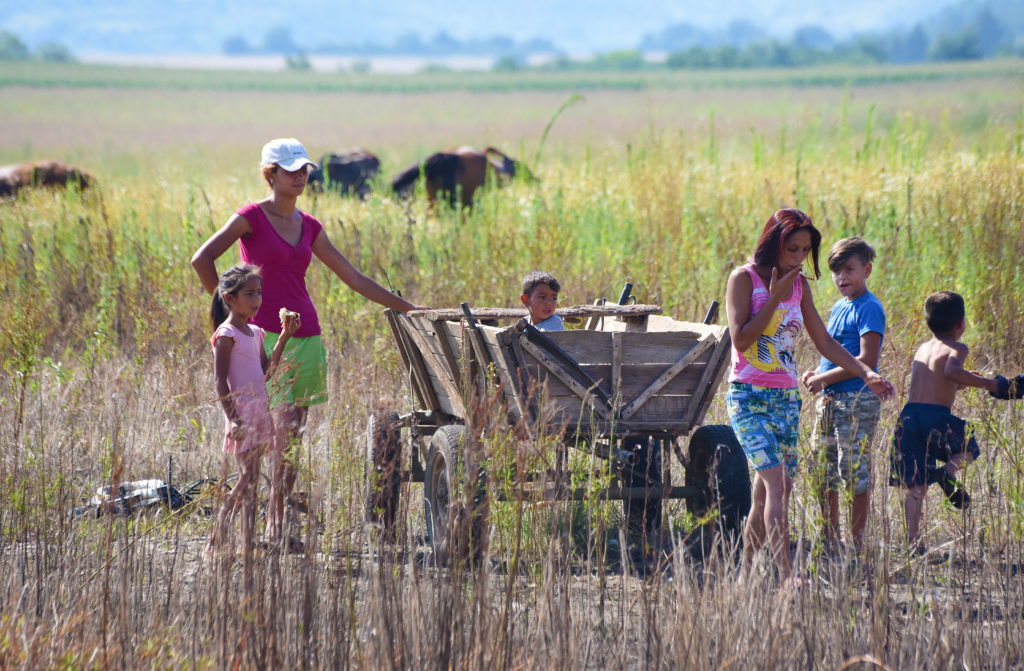
Roma families were also more likely to live in poor quality housing without access to water and other amenities. While participation in compulsory education is high amongst the Roma population, early school leaving is common and only 40 percent of Roma adolescents were in upper secondary education compared to 83 percent of the general population. Nearly two-thirds of Roma aged 16 to 24 were not in education, employment nor training (NEET) (UNICEF Bulgaria, 2020).
In addition, Roma children tend to attend “Roma schools” in majority Roma neighbourhoods which have fewer facilities and have a lower standard of education than majority Bulgarian schools. The Ministry of Education and Science does not collect data based on ethnicity which presents a challenge for understanding the education disparities experienced by Roma communities.
In addition to these socioeconomic disadvantages, Roma people in Bulgaria also face social exclusion and discrimination. In the 2015/16 survey, 22 percent had experienced racial discrimination in the past five years while 14 percent had experienced this in the past year. In 2019, 68 percent of Bulgarians had an unfavourable view of Roma people (UNICEF Bulgaria, 2020).
While the Roma community does struggle with discrimination, other ethnic minorities also face it and the Committee on the Elimination of Racial Discrimination has expressed concerns about the increase in hate speech and hate crimes directed towards Turks, Roma, Muslims, Jews, people of African descent, migrants and refugees (UNICEF Bulgaria, 2020). In particular, the Committee underlined that racist discourse, and appeals are evident during election campaigns and that political parties and candidates frequently use slurs against minority groups and individual (CERD, 2017).
Isolation and rootlessness
In Bulgaria, around 2,000 children are separated from their families each year. More than 1,000 children continue to live in institutions, whereas over 11,000 children live separated from their families (UNICEF Bulgaria, n.d.).
In addition to institutionalisation and formal separation, Bulgaria faces a veritable challenge with “children left behind”- those whose parents live or work abroad. The phenomenon is widespread throughout the country and affects all communities regardless of social and economic status or ethnic origin. The economic benefit of this phenomenon seems to outweigh issue of the left-behind children, while hundreds of children (including Roma) are severely affected by it (CoE, 2021).
According to some estimates, between 20% and 25% of children in Bulgaria had one or both parents living and working abroad, with the percentage among Roma children being over 37%. However, there is no further data available, and the current assumption is that every fourth or fifth child in Bulgaria has been left behind by parents who are living or working abroad (CoE, 2021).
The Bulgarian legal framework does not classify the children left behind to be children at risk, they are not considered abandoned children, despite the fact that a wide range of their needs usually remain unmet. The field research shows that the absence of parents has a significant impact on the normal and healthy growth of children (CoE, 2021).
Although many parents arrange substitute care and maintain regular online contact with their children, their physical absence from the child’s daily life can result in harmful consequences, such as school dropout and drug use. There are children who have physical manifestations of the mental distress due to the absence of the parents, for instance in the form of fever for short periods right after the departure of their parents. Moreover, they may fall into social isolation, aggression, and conflicts with peers (CoE, 2021).
Another negative effect for some children is the deepening of poverty due to unregulated guardianship, which prevents those adults caring for them from receiving social and child benefits. According to the data collected by the Council of Europe, there is a lack of communication and interaction among the relevant public entities and no systematised studies to provide data on left-behind children (CoE, 2021).
Moreover, there is no clear and straightforward procedure for parents to arrange the guardianship of their children by choosing a person (for example, a close relative). Civil servants are not prepared to meet the needs of the left-behind children, their parents or the people entrusted with childcare (CoE, 2021).
Juvenile justice
The Penal Code stipulates that children under the age of 14 are minors and are not subject to criminal responsibility (Article 31, par. 1 of the Penal Code). With respect to minors who have committed socially dangerous acts (offences), only educational measures may be applied. Children from 14 to 18 years of age (“adolescents” or “juveniles”) who commit crimes (as defined by the Penal Code) or “antisocial acts” are assumed to be criminally responsible only conditional on the outcomes from the evaluation of personal circumstances of the child to understand his/her capacity to understand the act and its consequences (UNICEF, 2019).
Children above the minimum age of criminal responsibility are categorized into two groups: from 14 to 16 and from 16 to 18 years of age. If they are alleged, accused, or found guilty of breaking the law, they are subject to conduct in accordance with provisions of the Penal Code and the Penal Procedure Code; they are summoned in front of the Prosecutor, and respectively the court. There are no specialised courts in Bulgaria for children in conflict with the law (UNICEF, 2019).
Each year, approximately 5,000 children in Bulgaria are investigated for committing various crimes, and around 200 are placed in closed institutions where they are deprived of liberty. Additionally, around 3,500 children become victims of crimes annually and participate in criminal proceedings, which often remain poorly adapted to their rights and specific needs. There is no reliable data on the number of children involved in civil and administrative proceedings, such as parental rights disputes or cases of domestic violence (UNICEF Bulgaria, n.d.).
Their criminal liability is mitigated compared to the adults’ criminal liability, as the degree of mitigation is lower in the 16–18 age category (UNICEF, 2019). In 2019, 931 children aged 14 to 17 were convicted of a crime in Bulgaria, comprising 4.1 percent of the total population of offenders. Given that the population aged 14 to 17 is 3.7 percent of the total population of Bulgaria, children appear to be slightly overrepresented among offenders (UNICEF Bulgaria, 2020).
Written by Arianna Braga
Internally proofread by Aditi Partha
Last updated on 1 May 2025
References:
Britannica (2025). Country page of Bulgaria. Retrieved from Britannica at https://www.britannica.com/place/Bulgaria, accessed on 24 April 2025.
CERD (2017). Concluding observations on the combined twentieth to twenty-second periodic reports of Bulgaria. Retrieved from OHCHR at tbinternet.ohchr.org/_layouts/15/treatybodyexternal/Download.aspx?symbolno=CERD%2FC%2FBGR%2FCO%2F20-22&Lang=en, accessed on 12 May 2025.
CoE (2021). Children left behind: between labour migration, institutional standards, and extended family. Retrieved from the Council of Europe at https://coe-romact.org/content/bg-report-children-left-behind-between-labour-migration-institutional-standards-and-extended, accessed on 30 April 2025.
Dimova, A. et al. (2024). Bulgaria: health system summary 2024. Retrieved from the European Observatory on Health Systems and Policies at https://eurohealthobservatory.who.int/publications/i/bulgaria-health-system-summary-2024, accessed on 29 April 2025.
Eurochild (2024). Insights and perspectives on children’s rights in Bulgaria. Retrieved from Eurochild at https://eurochild.org/uploads/2024/04/Insights-and-perspectives-on-childrens-rights-in-Bulgaria.pdf, accessed on 29 April 2025 (Eurochild, 2024).
ISSA (n.d.). Early Childhood Development in Bulgaria. Retrieved from ISSA at https://www.issa.nl/sites/default/files/u327/Executive%20Summary%20ECD%20in%20Bulgaria%20-%20English%20version%20edited.pdf, accessed on 29 April 2025.
Krassen, N. (2025). Bulgaria to provide free medication for children under seven. Retrieved from Euractiv at https://www.euractiv.com/section/health-consumers/news/bulgaria-to-provide-free-medication-for-children-under-seven/, accessed on 29 April 2025.
NSI (2021). Ethno-cultural characteristics of the population as of September 7, 2021. Retrieved from the National Statistical Institute (NSI) at https://www.nsi.bg/sites/default/files/files/pressreleases/Census2021-ethnos_en.pdf, accessed on 29 April 2025.
OECD (2024). Education at a Glance 2024 – Bulgaria. Retrieved from OECD at https://www.oecd.org/content/dam/oecd/en/publications/reports/2024/09/education-at-a-glance-2024-country-notes_532eb29d/bulgaria_7f6b8a0e/fe49d9ed-en.pdf, accessed on 29 April 2025.
OHCHR (2024). UN Child Rights Committee publishes findings on Bulgaria, Congo, Lithuania, Russian Federation, Senegal and South Africa. Retrieved from OHCHR at https://www.ohchr.org/en/press-releases/2024/02/un-child-rights-committee-publishes-findings-bulgaria-congo-lithuania, accessed on 29 April 2025.
OHCHR (n.d.). Ratification status. Retrieved from UN Treaty Body Database at https://tbinternet.ohchr.org/_layouts/15/TreatyBodyExternal/Treaty.aspx?CountryID=26&Lang=en, accessed on 29 April 2025.
OPIC, CRC (n.d.). Ratification status. Retrieved from Child Rights Connect at https://opic.childrightsconnect.org/ratification-status/underlying-ratification-data/, accessed on 29 April 2025.
Rogers, K. (2022). Addressing Child Poverty in Bulgaria. Retrieved from Borgen Magazine at https://www.borgenmagazine.com/child-poverty-in-bulgaria/, accessed on 29 April 2025.
SOS Children’s Villages (n.d.). Country page on Bulgaria. Retrieved at SOS Children’s Villages at https://www.sos-childrensvillages.org/where-we-help/europe/bulgaria, accessed on 29 April 2025.
Toneva, E. (2024). The Invisibilization of Poverty: Child Protection in Bulgaria. Retrieved from ATD Fourth World at https://www.atd-fourthworld.org/the-invisibilization-of-poverty-child-protection-in-bulgaria/, accessed on 29 April 2025.
UNICEF (2014). Deinstitutionalisation of children in Bulgaria – How far and where to? Retrieved from UNICEF at https://www.unicef.org/bulgaria/sites/unicef.org.bulgaria/files/2019-11/Deinstitutionalization%20of%20Children%20in%20Bulgaria-ENG.pdf, accessed on 12 May 2025
UNICEF (2019). Analysis of the child protection system in Bulgaria. Retrieved from UNICEF Bulgaria at https://www.unicef.org/bulgaria/en/media/9361/file/BGR-analysys-of-the-child-protection-system-in-bulgaria-en-2020.pdf, accessed on 30 April 2025.
UNICEF Bulgaria (2020). Study on Violence against Children in Bulgaria. Retrieved from UNICEF Bulgaria at https://www.unicef.org/bulgaria/en/documents/study-violence-against-children-bulgaria, accessed on 30 April 2025.
UNICEF Bulgaria (n.d.). The situation of children in Bulgaria. Retrieved from UNICEF at https://www.unicef.org/bulgaria/en/situation-children-bulgaria, accessed on 29 April 2025.
WHO (n.d.). Bulgaria Country Profile. Retrieved from WHO at https://data.who.int/countries/100, accessed on 24 April 2025.
[1] This article by no means purports to give a full or representative account of children’s rights in Bulgaria; indeed, one of many challenges is the scant updated information on the Bulgarian children, much of which is unreliable, not representative, outdated or simply non-existent.