

Realizing Children’s Rights in Hungary


In Hungary, a legal framework for children’s rights exists, but it is often not fully reflected in practice. Romani children are frequently discriminated against, and poverty contributes to high numbers of them being placed in state care. Limited access to quality early childhood education and support services, along with bias against Roma, LGBTIQ+, and refugee children, restricts the fulfilment of children’s rights. Policies intended to protect children are often criticised for not addressing root causes and for restricting children’s freedoms.
Population: 9.4 million
Population aged 0–14: 14.5%
Life expectancy: 79.5 years
Under-5 mortality rate: 4‰
Hungary at a glance
Hungary, a landlocked country in Central Europe, shares borders with Austria, Slovakia, Ukraine, Romania, Serbia, Croatia, and Slovenia. It is a unitary parliamentary republic with Budapest as its capital. Administratively, Hungary is divided into 19 counties plus the capital city, with further subdivisions to facilitate local governance. Its legal system follows civil law traditions.
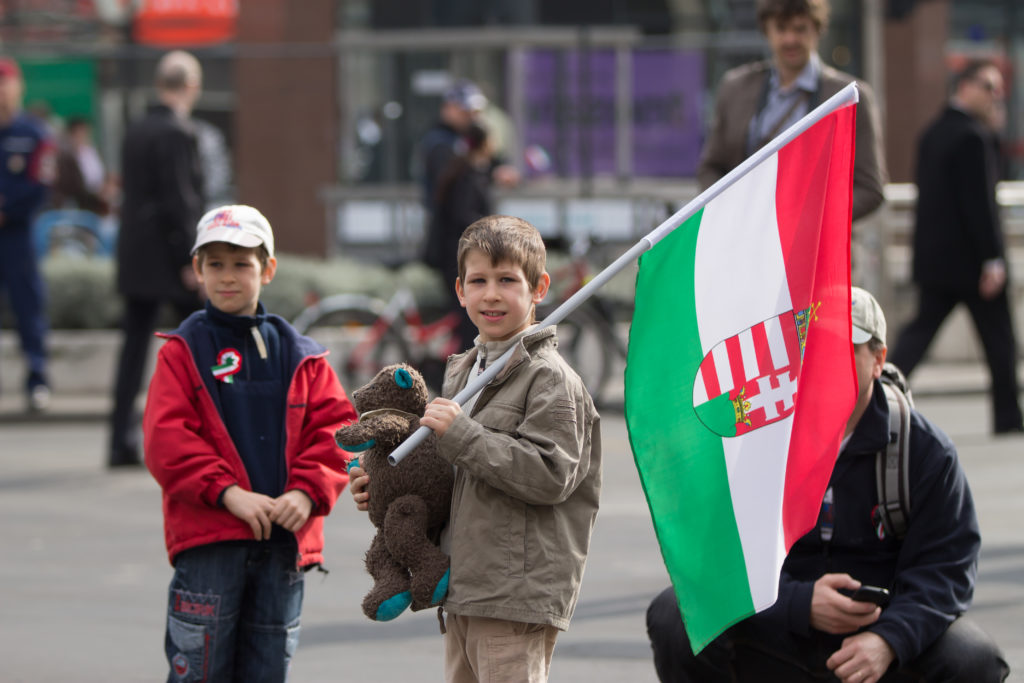
Since joining the European Union in 2004, Hungary has actively participated in continental affairs while maintaining membership in other major international organisations, including the United Nations, the Council of Europe, the Organization for Security and Cooperation in Europe, and the North Atlantic Treaty Organization. EU integration has shaped Hungary’s legal frameworks, economic policies, and approach to social rights, particularly in areas concerning children, education, and welfare.
Status of children’s rights [1]
Hungary ratified the United Nations Convention on the Rights of the Child (UNCRC) in 1991 and is a party to its optional protocols on the involvement of children in armed conflict (2003) and on the sale of children, child prostitution, and child pornography (2003). The implementation of the UNCRC forms the foundation of child protection laws and policy in Hungary. Hungary also ratified the Convention on the Rights of Persons with Disabilities in 2008, which includes specific protections for children with disabilities.
The country’s national framework for children’s rights is primarily governed by the Child Protection Act and supplementary government decrees. Despite legal protections, civil society organisations and international bodies have raised concerns about the adequacy of Hungary’s implementation of children’s rights. These include weaknesses in protecting children from abuse, neglect, and exploitation, and difficulties in ensuring the right to education, particularly for Roma children; and ongoing issues related to poverty, unequal access to social services, and the exclusion of marginalised groups.
Civil society groups and international organisations such as the United Nations and the Council of Europe have raised concerns that recent legal and policy changes restrict advocacy organisations’ role in public debate. They also note that the government’s emphasis on traditional family structures risks leaving out the most vulnerable children. In addition, these bodies highlight a few opportunities for children to participate in decisions that affect them and call for a child protection system that is more inclusive and adequately resourced.
Addressing the needs of children
Right to education
Education in Hungary is compulsory from the age of three, when children must begin kindergarten, until the end of secondary school or the age of sixteen, whichever comes first. Most children are enrolled in public institutions, though the number of church-run kindergartens has been steadily growing (Eurydice, 2025a; Eurydice, 2025b).
Despite this broad framework, access to early childhood education is uneven. National and EU funding has helped expand nursery and kindergarten places, but provision remains patchy, especially in less developed and rural regions. Families from minority backgrounds, children with special needs, and those on low incomes or with foreign status often encounter additional obstacles, whether due to scarce availability or affordability (Eurydice, 2025a).
Broader inequalities also persist throughout the school system. The authorities have closed schools run by the Methodist Evangelical Church, which mainly served disadvantaged children, despite court rulings against the closures (Human Rights Watch, 2025). Roma children are still frequently segregated into separate classes or schools, often based on academic performance or special educational needs. At the same time, the rise of church-run schools has drawn many non-Roma children away from state institutions (Faludy, 2025).
Conditions in public schools are also deteriorating. Around 40% report shortages of qualified teachers, and poor pay contributes to high turnover. Underfunded schools sometimes rely on unqualified staff to oversee classes, reducing the quality of education. Support for children with special educational needs is insufficient, as existing guidelines are no longer binding.
Meanwhile, church schools benefit from stronger funding and the ability to select high-performing students, leaving socially and economically marginalised children concentrated in struggling public schools. Even universities that resist government-aligned reforms face funding discrimination (Faludy, 2025).
The government has introduced strategies to address inequalities. The National Youth Strategy (2009–2024) and the National Social Inclusion Strategy 2030 target child poverty, social exclusion, and access to education for Roma and other vulnerable groups. Additional support is provided for children with disabilities, learning difficulties, exceptional talents, or long-term medical needs through specialised institutions and inclusive schools (European Commission, 2025a).
The 2022 Programme for International Student Assessment (PISA) results reveal that students from less advantaged backgrounds continue to lag behind their peers. Programmes such as teacher training, school community service, and the “Smart Classroom” initiative seek to promote inclusion and close the digital divide, providing students with the skills and resources they need for future employment.
Attendance in kindergarten and secondary education has improved, but Roma and disadvantaged children still deal with early school leaving, segregation, and limited mobility. Other programmes, such as the expansion of kindergarten places, the Tanoda Programme, and Roma vocational colleges, are steps in the right direction, but there are still entrenched inequalities (European Commission, 2025b).
Right to protection
In recent years, Hungary has moved many children from institutional care to foster families. However, there is still a shortage of foster parents for children with special needs (Eurochild, 2024; Hungarian Central Statistical Office, n.d.).
In addition, LGBTIQ+ youth continue to be socially and legally disadvantaged, which affects their well-being and access to opportunities. While the Act CXXV of 2003 on Equal Treatment and the Promotion of Equal Opportunities recognises sexual orientation and identity as protected characteristics, there is no specific strategy or action plan to reduce prejudice against LGBTIQ+ young people. As a result, they are more vulnerable to discrimination and social exclusion, which limits their ability to fully participate in society and enjoy the same rights as their heterosexual peers, including in areas such as family life and adoption (European Commission, 2025b).
Right to health
The COVID-19 pandemic has strongly affected the health, well-being, and social development of Hungarian adolescents. Between 2018 and 2022, reports of multiple health complaints increased noticeably among 11–15-year-olds, with 13-year-olds being particularly affected. Girls experienced a sharper rise than boys, with the percentage of girls reporting multiple complaints growing from 37.1% to 62.2%, compared to an increase from 28.7% to 39.4% among boys. Adolescents also reported lower life satisfaction caused by the pandemic and by measures such as school closures and social isolation (World Health Organization, 2023).
Right to freedom
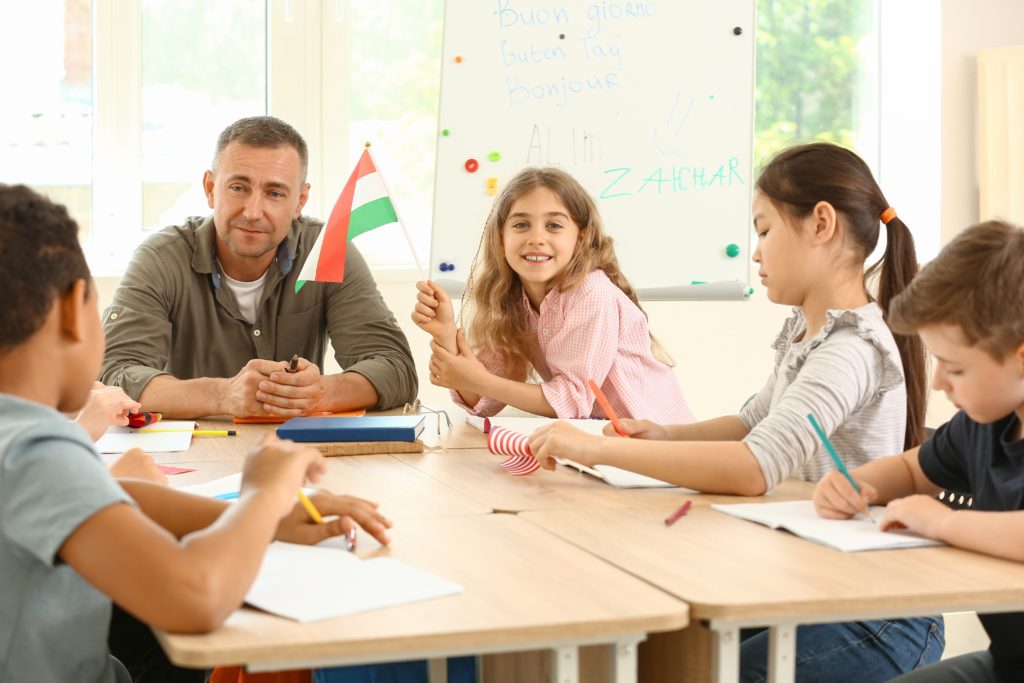
Hungarian children have the right to freedom of expression, association, and self-identity under both national law and international conventions. However, recent legislative changes, including amendments to the Child Protection Act and Public Education Act, have led to restrictions on discussing diverse gender identities and sexual orientations in schools and public media, effectively curtailing children’s freedom of expression and access to inclusive education. These changes have been widely criticised by children’s rights organisations and international bodies for contravening Hungary’s commitments to children’s rights (De Groot, 2025).
Roma children face extra challenges. They often experience discrimination and are put in separate schools. Reports and court cases show that many Romani children are taken from their families and placed in care homes more often than other children. Segregated schooling and institutional discrimination continue to impede Roma children’s right to freedom and equal participation in society. Roma children and those living in state care sometimes experience limitations to their freedom because of discrimination, segregation, or institutional rules that restrict their self-expression and autonomy (European Roma Rights Centre, 2025a).
Risk factors → Country-specific challenges
Child abuse
A major children’s rights issue in Hungary is the failure to protect children from sexual abuse in state-run institutions. A recent scandal revealed that children in these facilities were abused over many years, while authorities failed to prevent or adequately address the violations.
The director of one such institution was sentenced to prison for abusing at least ten children, and his deputy, who tried to silence victims and cover up the crimes, was later pardoned by President Katalin Novák. The pardon sparked widespread outrage and ultimately led to the resignation of both the president and the justice minister, exposing serious shortcomings in Hungary’s child protection system (AP News, 2024; Askew, 2024).
Critics argue that government policies have contributed to an unsafe environment for children. In particular, the conflation of homosexuality with paedophilia and the restriction of rights for sexual minorities have been denounced for fuelling stigma and allowing abuse to go unchecked, undermining children’s safety and wellbeing (AP News, 2024).
Child labour
Employment among young people in Hungary has remained fairly steady in recent years, but opportunities often depend on factors such as education, age, and social background. For Roma youth, entering the workforce is particularly difficult. Many encounter barriers linked to lower levels of schooling and living in disadvantaged regions. As a result, the proportion of Roma aged 15–24 not in education, employment, or training was about 42% in 2022, compared to just 8% of the general population (European Commission, 2025b).
Child poverty
Poverty and poor living conditions are still major factors in family separations and the placement of children in care. Families facing socio-economic challenges – such as low income, single parenthood, or inadequate housing – are often judged more harshly by child protection authorities, with removal from the home too frequently seen as the first solution rather than a last resort.
Marginalised communities are particularly affected, as structural disadvantages and limited access to support services make it harder for families to meet the standards expected by authorities. This approach can reinforce harmful stereotypes, portraying parents in poverty as neglectful or irresponsible, and perpetuate cycles of disadvantage (Girardini, 2025).
In 2024, over 1 million Hungarian children received some form of family allowance, reflecting ongoing social need. Also, even with a small uptick in GDP (0.5% in 2024), household purchasing power gains remain uneven, and many families – especially the most vulnerable – still have difficulties accessing welfare services (Hungarian Central Statistical Office, n.d.).
Economic uncertainty, high inflation, and insufficient access to healthcare, education, and childcare create barriers for families considering having children. Government family policies, such as loans, housing subsidies, and tax exemptions, are often selective, tied to employment, or available only in certain regions, leaving many people feeling excluded. As a result, fewer people are choosing to have children, contributing to a declining population (Rutai, 2024). This trend poses indirect risks to children’s rights to an adequate standard of living, access to quality healthcare, education, and growth opportunities.
Discrimination
The European Court of Human Rights has repeatedly ruled against Hungary for removing Romani children from their families without valid reasons, often citing poverty or ethnic stereotypes rather than actual neglect or abuse. In June 2025, the Court found that authorities had unlawfully separated a Romani mother from her newborn son. Romani children are thus far more likely to end up in institutional care because of economic hardship and discrimination. Although Romani children make up only around 13% of Hungary’s child population, they account for 58% of those in state care (European Roma Rights Centre, 2025a).
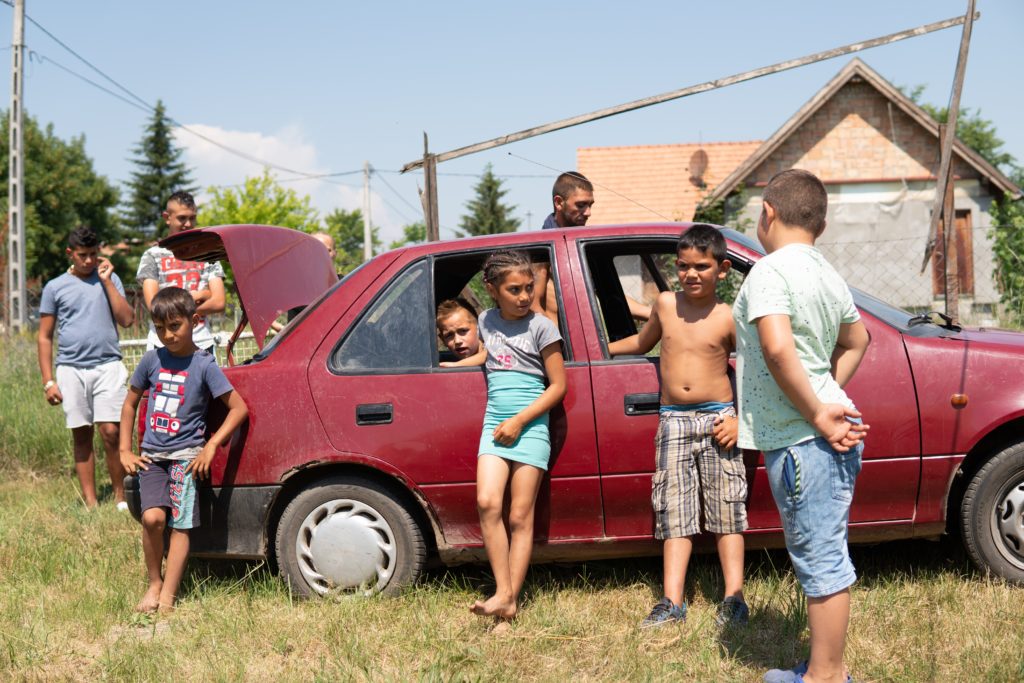
These inequalities show up in daily life as well. In the Bűdi district of Tiszavasvári, Romani children often have to walk up to seven kilometres to get to school, sometimes in harsh weather, due to a lack of transport. This creates a heavy burden and makes equal access to education difficult to achieve (European Roma Rights Centre, 2025b). School segregation further limits their opportunities, demonstrating that Hungary has yet to address these disparities effectively (Human Rights Watch, 2025).
Discrimination also affects Hungary’s LGBTIQ+ youth. In March 2025, Parliament passed a law enabling bans on Pride marches and other LGBTQ+ events. Police subsequently prohibited Pride events under this law, and courts upheld these decisions, effectively resulting in a de facto ban. The measure builds on a 2021 law that restricts public portrayals of homosexuality, gender transition, or gender diversity, and is justified by the government under the pretext of protecting children.
Critics argue that it unfairly targets and stigmatises LGBTIQ+ people, and it has sparked widespread protests. In practice, this law denies LGBTIQ+ children visibility and creates a hostile environment where their identities are silenced. Instead of safeguarding young people, it sends the message that children who are LGBTIQ+ or part of rainbow families are less legitimate, violating basic principles of equality and non-discrimination (De Groot, 2025; Spike, 2025).
The law also limits access to books, films, and cultural materials that include LGBTIQ+ themes, and restricts sex education to government-approved instructors. Since the law was introduced, LGBTIQ+-themed books have been removed or must be sold in plain wrapping, leaving children with fewer ways to get reliable information about sexual orientation and gender identity. Critics warn that these restrictions put young people at risk (Gomez, 2025). The law has been criticised for wrongly linking homosexuality with paedophilia, further stigmatising LGBTIQ+ youth (O’Sullivan, 2024).
LGBTIQ+ youth
LGBTIQ+ children and those raised in diverse families are part of minority groups entitled under international law to protection of their rights and identities. By banning Pride marches and other events that reflect diversity in gender identity and sexual orientation, Hungary effectively erases their visibility and limits their participation in society. These restrictions increase social isolation and reduce opportunities for children to see themselves reflected positively in society. Rather than protecting their well-being, Hungary’s legislation fosters exclusion and marginalisation, depriving LGBTIQ+ children of recognition and undermining their right to identity and belonging (De Groot, 2025).
Refugee and migrant children
Many refugee children – particularly Transcarpathian Roma from Ukraine – were left without shelter after a government decree ended support for those coming from areas not considered ‘war-torn’.
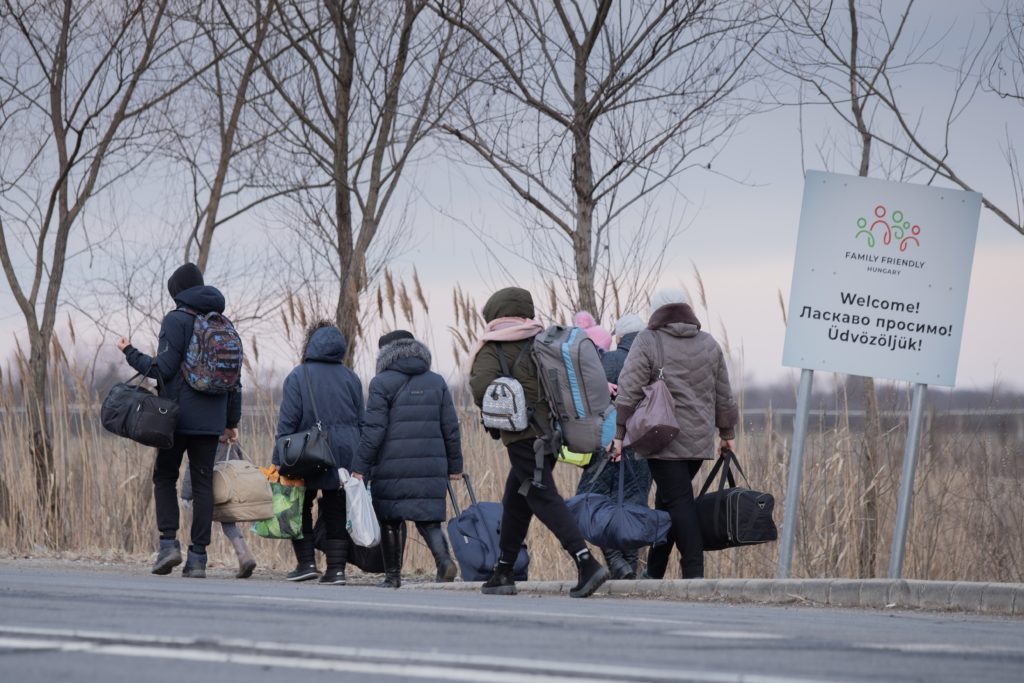
This decision left thousands homeless, directly affecting children’s safety, health, and well-being. At Hungary’s border with Serbia, asylum-seeking children have been subjected to unlawful pushbacks and detention under harsh conditions. Between January and August 2024, the number of forced returns decreased following changes in Serbian law, but previous practices included violent pushbacks and detention in transit zones, where children were exposed to inadequate food, shelter, and protection.
Courts have repeatedly found Hungary in violation of international law for such practices. The European Court of Human Rights ruled in 2017 and 2019 that the country had unlawfully detained and starved asylum seekers, including a 5-year-old child (Human Rights Watch, 2025). These cases show how restrictive asylum policies and border practices are threatening refugee and migrant children’s right to safety, protection, and a stable environment.
Girls’ rights
Hungary’s government under Viktor Orbán promotes pronatalist policies and traditional family values, which directly affect girls. At the same time, women’s rising participation in higher education could impact the country’s birth rate. As more women attend university, they may be less likely to marry and have children (BBC, 2022). These messages reinforce societal expectations that girls should prioritise family and childbearing over education or professional development.
Reproductive rights for girls are also constrained. Although abortion is legally permitted up to 12 weeks, the process includes mandatory counselling sessions that critics describe as degrading and designed to promote a pro-life agenda. Access to contraception and family planning is similarly limited, restricting available reproductive health services. These policies are part of a wider government push to encourage childbirth among native Hungarians, reinforcing traditional gender roles within the education and healthcare systems and influencing the environment in which girls grow up and make decisions about their lives (Population Matters, 2025).
Children with disabilities
Since community-based support is lacking, many children with disabilities are placed in institutions, and parents often feel pressured to send their children there due to the absence of adequate state assistance. Access to quality, inclusive education is frequently denied, while the guardianship system restricts children’s ability to make decisions and take part in society.
The UN Committee on the Rights of Persons with Disabilities has repeatedly urged Hungary to end these discriminatory practices, abolish guardianship, and invest in services that enable children to live in the community with equality and independence. Yet, progress has been slow: the government continues to fund segregated institutions rather than ensuring that children with disabilities can live with dignity and receive the support they need (Validity Foundation, n.d.).
Children in foster care
In 2024, nearly 70,000 children in Hungary were registered as at risk, of whom 31,000 were taken into child protection – the highest figure in the last decade (Hungarian Central Statistical Office, n.d.). While there is a clear shift from institutional care toward foster parent placement, increasingly involving religious organisations, the number of children waiting for adoption remains high: over 2,000 children were awaiting families in 2024, while only 1,291 were placed with adoptive parents that year (Hungarian Central Statistical Office, n.d.).
Additionally, there has been a trend towards placing children with foster parents rather than in institutions. In 2021, for instance, 14,866 children lived with foster parents, while 6,175 were in institutional care. The system also struggles with shortages of trained staff, and mental health support is insufficient, leaving many children without the help they need (Eurochild, 2024).
Written by Or Salama
Last updated on 23 September 2025
References:
AP News. (2024, April 26). Orbán challenger leads protest calling for child protection after sexual abuse scandal in Hungary. Retrieved from AP News at https://apnews.com/article/orban-challenger-stages-protest-hungary-f9fbdeff70db1060d87c0ce87c8e7ba2, accessed on August 17, 2025.
Askew, J. (2024, February 10). Hungary’s president resigns over child sexual abuse scandal. Retrieved from Euronews at https://www.euronews.com/2024/02/10/hungarys-president-resigns-over-child-sexual-abuse-scandal, accessed on August 17, 2025.
BBC. (2022, August 26). Hungarians warning education becoming ‘too feminine’- report. Retrieved from BBC at https://www.bbc.com/news/world-europe-62686894, accessed on September 21, 2025.
De Groot, D. (2025, April 3). Hungary’s ban on Pride. Retrieved from Epthinktank at https://epthinktank.eu/2025/04/03/hungarys-ban-on-pride/, accessed on August 17, 2025.
Eurochild. (2024). The Hungarian Child Guarantee National Action Plan: concerns raised about its feasibility. Retrieved from Eurochild at https://eurochild.org/uploads/2024/01/The-Hungarian-Child-Guarantee-National-Action-Plan.pdf, accessed on August 17, 2025.
European Commission. (2025a, April 6). Social inclusion through education and training. Youth Wiki: Hungary. Retrieved from the European Commission at https://national-policies.eacea.ec.europa.eu/youthwiki/chapters/hungary/66-social-inclusion-through-education-and-training, accessed on August 17, 2025.
European Commission. (2025b, April 6). General context. Youth Wiki: Hungary. Retrieved from the European Commission at https://national-policies.eacea.ec.europa.eu/youthwiki/chapters/hungary/41-general-context, accessed on August 17, 2025.
European Roma Rights Centre. (2025a, June 12). European Court condemns Hungary for removal of Romani child from family. Retrieved from European Roma Rights Centre at https://www.errc.org/press-releases/european-court-condemns-hungary-for-removal-of-romani-child-from-family, accessed on August 17, 2025.
European Roma Rights Centre. (2025b, May 19). Ombudsperson confirms rights violations of Romani children in Tiszavasvári, Hungary. Retrieved from European Roma Rights Centre at https://www.errc.org/press-releases/ombudsperson-confirms-rights-violations-of-romani-children-in-tiszavasvari-hungary, accessed on August 17, 2025.
Eurydice. (2025a. April 10). Access: Hungary. Retrieved from Eurydice at https://eurydice.eacea.ec.europa.eu/eurypedia/hungary/access, accessed on August 17, 2025.
Eurydice. (2025b, March 20). Overview: Hungary. Retrieved from Eurydice at https://eurydice.eacea.ec.europa.eu/eurypedia/hungary/overview, accessed on August 17, 2025.
Faludy, A. (2025, March 21). UN expert on right to education criticises ‘desperate’ conditions in Hungary’s schools. Retrieved from Balkan Insight at https://balkaninsight.com/2025/03/21/un-expert-on-right-to-education-criticises-desperate-conditions-in-hungarys-schools/, accessed on August 17, 2025.
Girardini, S. (2025, August 13). B.T. and B.K.Cs v. Hungary: Child removal and stereotyped Romani motherhood, but no discrimination. Retrieved from Strasbourg Observers at https://strasbourgobservers.com/2025/08/13/b-t-and-b-k-cs-v-hungary-child-removal-and-stereotyped-romani-motherhood-but-no-discrimination/, accessed on August 17, 2025.
Gomez, J. (2025, February 26). Child protection or censorship? The legal battle between the Court of Justice of the EU and Hungary. Retrieved from Euronews at https://www.euronews.com/my-europe/2025/02/26/child-protection-or-censorship-the-legal-battle-between-the-court-of-justice-of-the-eu-and, accessed on August 17, 2025.
Human Rights Watch. (2025). World Report 2025: Hungary. Retrieved from Human Rights Watch at https://www.hrw.org/world-report/2025/country-chapters/hungary, accessed on August 17, 2025.
Hungarian Central Statistical Office. (n.d.). Social care protection. Retrieved from Hungarian Central Statistical Office at https://www.ksh.hu/social-care-protection, accessed on August 17, 2025.
O’Sullivan, D. (2024, November 18). Controversial Hungarian law criticised as anti-LGBT to appear before EU Court of Justice. Retrieved from Euronews at https://www.euronews.com/2024/11/18/controversial-hungarian-law-criticised-as-anti-lgbt-to-appear-before-eu-court-of-justice, accessed on August 17, 2025.
Population Matters. (2025, January 17). Viktor Orbán’s Hungary: The erosion of reproductive rights. Retrieved from Population Matters at https://populationmatters.org/news/2025/01/viktor-orbans-hungary-the-erosion-of-reproductive-rights/, accessed on August 17, 2025.
Rutai, L. (2024, October 8). Why So Many Hungarians Are Staying Childfree. Retrieved from Radio Free Europe/Radio Liberty at https://www.rferl.org/a/children-hungary-child-free-movement/33146567.html, accessed on August 17, 2025.
Spike, J. (2025, March 18). Hungary passes anti-LBGTQ+ law banning Pride events. Retrieved from PBS News at https://www.pbs.org/newshour/world/hungary-passes-anti-lgbtq-law-banning-pride-events, accessed on August 17, 2025.
Validity Foundation. (n.d.). Hungary remains responsible for “grave and systematic violations” of disability rights. Retrieved from Validity Foundation at https://validity.ngo/hungary-remains-responsible-for-grave-and-systematic-violations-of-disability-rights/, accessed on August 17, 2025.
World Health Organization. (2023, June 27). Pandemic adversely affected the relationships and health of Hungarian adolescents, new data show. Retrieved from WHO at https://www.who.int/europe/news/item/27-06-2023-pandemic-adversely-affected-the-relationships-and-health-of-hungarian-adolescents–new-data-show, accessed on August 17, 2025.
[1] This article by no means purports to give a full or representative account of children’s rights in Hungary; indeed one of many challenges is the scant updated information on children in Hungary, much of which is unreliable, not representative, outdated or simply non-existent.