
Realizing children’s rights in the Czech Republic

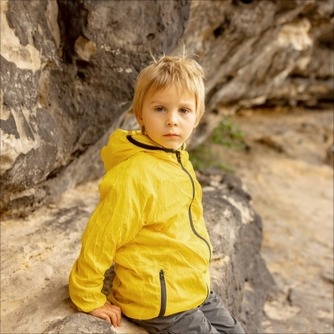
Since gaining its independence in 1993, the Czech Republic has strengthened the protection of children’s rights through legislative reforms and national strategies. However, significant obstacles still stand in its way, particularly for marginalised and vulnerable children. Many children across the country still struggle due to poverty, discrimination, abuse, violence, inadequate access to healthcare, and insufficient protection.
Population: 11 million
Pop. ages 0-14: 15.9%
Life expectancy: 77.2 years
Under-5 mortality rate: 2.6‰
Czech Republic at a glance
The Czech Republic, also known as Czechia, is a landlocked country in Central Europe, bordered by Germany to the west, Slovakia to the east, Austria to the south, and Poland to the northeast. With a robust economy and a well-trained labour force, it has a strong industrial base, especially in the automotive and tech sectors.
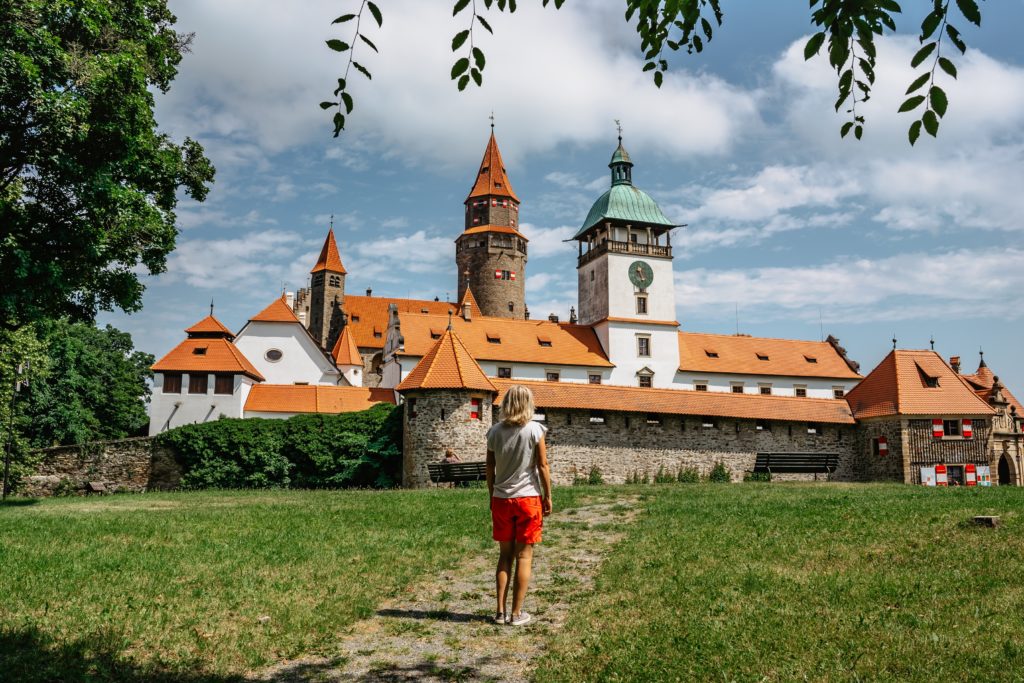
The country became independent in 1993, following the dissolution of Czechoslovakia. It is a parliamentary democracy committed to human rights, the rule of law, and the protection of individual freedoms. This democratic framework provides the legal and institutional basis for upholding children’s rights and ensuring government accountability. It also guarantees that children and their families have access to justice and are included in the decision-making processes affecting them.
The official language is Czech, and the nation is a member of the European Union (EU) and the North Atlantic Treaty Organization (NATO). Prague is the capital and largest city, known for its architectural and cultural heritage. Traditionally, Czechia has consisted of three regions: Bohemia, Moravia, and Czech Silesia.
Status of children’s rights in the Czech Republic [1]
Children’s rights in the Czech Republic are protected by a strong framework of national laws and international treaties, such as the Convention on the Rights of the Child (CRC), which the country ratified in 1991. It also ratified all three of the CRC’s Optional Protocols addressing child involvement in armed conflict and the sale and sexual exploitation of children between 2002 and 2014.
Furthermore, the country is a party to other key UN human rights treaties, including the International Covenant on Civil and Political Rights and the International Covenant on Economic, Social and Cultural Rights, both ratified in 1993, as well as the Convention on the Rights of Persons with Disabilities, ratified in 2009. These instruments reinforce protections with regard to non-discrimination, educational opportunities, access to healthcare, and freedom from violence and exploitation.
Regionally, Czechia is bound by the European Convention on Human Rights (ratified in 1992), the European Social Charter (ratified in 1999), and the Council of Europe Convention on Action against Trafficking in Human Beings (ratified in 2010), all of which guarantee children’s rights to protection, social inclusion, and access to justice.
Furthermore, the Czech government adopted the National Strategy for the Protection of Children’s Rights 2021–2029 to strengthen children’s rights. This framework promotes coordinated action across ministries and local authorities to ensure that children grow up feeling safe, protected, and included. This strategy focuses on supporting at-risk children – including those living in care, with disabilities, or facing poverty and discrimination, especially Roma children – while encouraging child participation, preventing unnecessary family separation and institutionalisation, and improving monitoring through data collection (Office of the United Nations High Commissioner for Human Rights [OHCHR], 2021).
Czechia also ratified the Hague Convention on the Protection of Children (formally the Hague Convention on the Civil Aspects of International Child Abduction) in 1993, which promotes international cooperation in cases involving parental responsibility and child abduction. Together, these instruments form a broad framework requiring the Czech government to safeguard the rights and welfare of all children.
The Czech Republic has recently further strengthened child protection by planning to establish its first Children’s Ombudsman, set to launch in July 2025 (Brno Daily, 2025a; Radio Prague International, 2025a). This independent office will safeguard children’s rights, support vulnerable groups, shape legislation, and intervene in legal cases (Brno Daily, 2025b). The Ombudsman’s goal is to ensure that children’s rights are protected and that their voices are heard. Although the Ombudsman’s creation is a sign of progress, the issue of its funding remains uncertain.
In parallel, the Ministry of Labour and Social Affairs has established a Children’s Participation Group, involving young people aged 15–21 in the process of shaping public policy. Participants have highlighted the necessity for meaningful engagement and proposed that children be involved in selecting the Ombudsman (Eurochild, 2025).
Addressing the needs of children in the Czech Republic
Right to education
Every child in the Czech Republic has the right to education without discrimination, as guaranteed by the Czech Constitution and the Education Act (Eurydice, 2024a). Public education is generally free of charge, and children typically begin primary school at age 6 (Eurydice, 2024b). Compulsory education lasts nine years, comprising five years of primary school and four years of lower secondary school (Eurydice, 2025a).
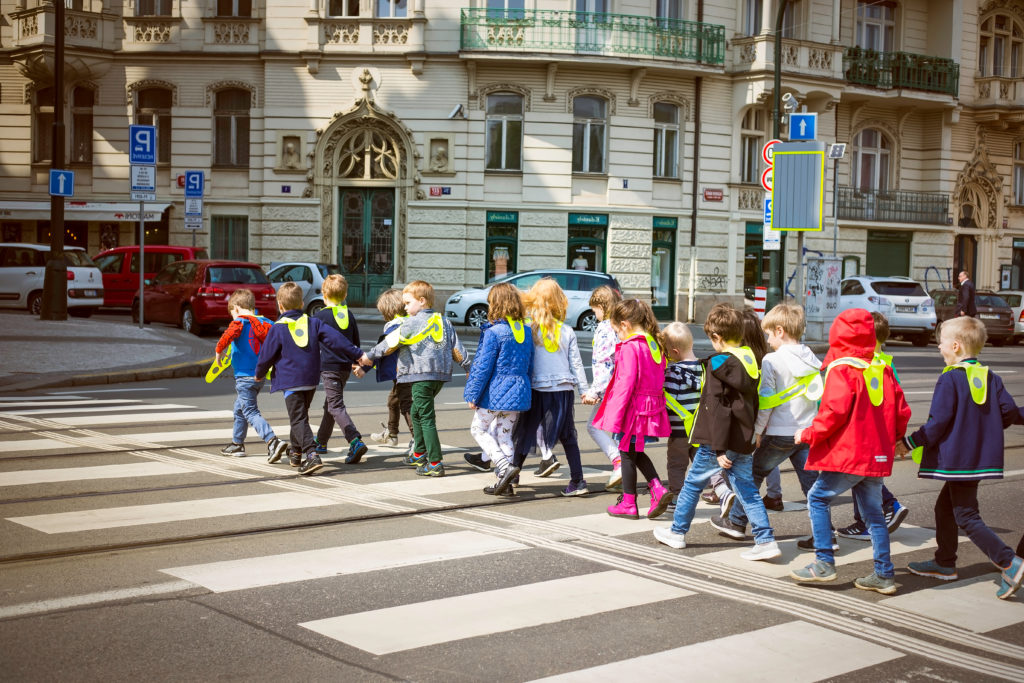
Afterwards, the students may enter upper secondary education, which typically lasts four years and includes general academic, vocational, or technical programmes (Eurydice, 2025b). The government is working to expand access to early childhood education – particularly in disadvantaged regions – and to include children with disabilities and those from minority backgrounds in mainstream schools (European Association of Service Providers for Persons with Disabilities [EASPD], 2024).
Despite ongoing efforts to reduce segregation, Roma children remain disproportionately enrolled in special schools (Bertelsmann Stiftung, 2024). The Child Guarantee National Action Plan promotes inclusive education, learning support, and improved access to school psychologists and social workers to address students’ diverse needs (Eurochild, 2023; EASPD, 2024).
Since the conflict in Ukraine began, many Ukrainian children have joined Czech schools. This sudden change has brought difficulties, as many students struggle to learn Czech and fully participate in regular classes. While schools strive to support their students’ social integration, families often wish for a stronger emphasis on academics.
Teachers also find it hard to set clear expectations, and some Ukrainian students tend to socialise mostly within their Ukrainian peer groups. Additionally, many students face uncertainty about whether they will stay in Czechia or return to Ukraine, which affects their educational plans (Directorate-General for Migration and Home Affairs, 2025).
Additionally, access to early childhood education and care (ECEC) in Czechia is limited, particularly for children under three and those from disadvantaged backgrounds (Trading Economics, 2025a). Even though the number of childcare places has doubled since 2018, fewer than 7% of children under three are enrolled, and around 40,000 children aged 3–4 do not attend kindergarten (UNICEF, 2025a).
In response, in June 2025, Czechia unveiled a national framework to monitor and improve the quality and accessibility of ECEC, focusing on access, staff, curriculum, evaluation, and inclusivity. While maternity and parental leave provisions offer some support, low parental allowances and a complex welfare system restrict many families from accessing the benefits that are essential for early education (EAPN Czechia, 2023).
Right to health
Children’s right to health is upheld through universal access to healthcare, with special attention to vulnerable groups such as children in poverty, those with disabilities, and those from socially excluded communities. Government initiatives support early detection of health problems, improved access to mental health services, and health education to reduce disparities and promote well-being. Reforms are also underway to shift away from institutionalised mental healthcare for children and to improve psychiatric services in under-resourced areas (EASPD, 2024).
While healthcare and vaccination coverage are high, a recent UNICEF (2024) report reveals that healthcare access and health status vary significantly by region in the Czech Republic. Marginalised groups – including Roma children, children living with disabilities, and children living in poverty – face barriers in accessing basic and preventive care.
To address these disparities, the Czech government adopted the National Action Plan under the European Child Guarantee (2022–2030). The plan aims to reduce regional inequalities by expanding psychiatric services, improving access to care in underserved areas, and promoting early health checks and health education. It also seeks to ensure inclusive early education, good nutrition, quality schooling, accessible healthcare, and adequate housing – particularly for children with disabilities, Roma children, and those in alternative care (Eurochild, 2023).
The action plan includes detailed measures, assigns duties to responsible institutions, and sets timelines for implementation. It also promotes cooperation between ministries, civil society participation, and the implementation of monitoring mechanisms (Ministry of Labour and Social Affairs, 2022). However, progress remains inconsistent due to limited institutional support, inadequate funding, and a lack of clear implementation strategies (EASPD, 2024).
Right to protection

In the Czech Republic, children are entitled to be protected from physical and mental violence, neglect, abuse, and exploitation. This right is enshrined in the Charter of Fundamental Rights and Freedoms and reinforced by the CRC, which carries the force of law in the country. Although parents are legally responsible for their children, society has an obligation to step in when a child’s life or health is endangered.
In Czechia, the law prohibits all forms of commercial sexual exploitation of children, such as child pornography and trafficking. The minimum age of consent is 15 years. Sexual activity with children under this age can result in up to 12 years in prison, or more in extremely severe cases (U.S. Department of State, 2024a).
The Czech legal framework also prohibits discrimination based on gender, colour, race, religion, language, and social origin. All children are entitled to equal rights, regardless of their parents’ marital status or background. These protections are guaranteed by constitutional provisions and supported by social and legal measures.
Despite the adoption of the National Strategy for the Protection of Children’s Rights 2021–2029, the practical implementation of child protection policies is fragmented and inconsistent across the country. Challenges such as limited financial and human resources, regional disparities, and insufficient training of professionals continue to undermine progress (UNICEF, 2024).
Right to participation
Child participation is increasingly being recognised as a priority in Czech youth policy. The National Implementation Plan of the Child Guarantee, approved in November 2022, tends to create an environment that supports children’s involvement in decision-making. Although the plan has not yet been widely promoted, it reflects a national commitment to meaningful child participation. Czechia is also part of a project by the Council of Europe, aiming to strengthen children’s involvement in national policymaking, in cooperation with the Ministry of Labour and Social Affairs.
The Czech government is in the final stages of adopting its new National Youth Strategy, Youth Concept 2025–2030. This inter-ministerial framework addresses all key areas of youth policy, aiming to support young people in education, employment, health, and civic participation. The strategy promotes inclusive and meaningful youth engagement by strengthening access to quality education, life skills, as well as opportunities in the labour market and public life.
In 2023, the National Forum of Parliaments of Children and Youth was established to replace the former National Parliament of Children and Youth. It serves as an open platform for youth councils and parliaments to collaborate and advocate for young people’s interests at the national level. The forum is coordinated by the Czech Council of Children and Youth and is part of the EU Youth Dialogue.
Moreover, citizenship education is under review. The Ministry of Education has been testing the role of student parliaments in schools as a way to foster democratic engagement. A national curriculum reform is underway, but concerns have been raised about reduced hours for citizenship education in favour of digital subjects (European Commission, 2025a).
Risk factors → Country-specific challenges
Violence
The 2023 Mapping Child Protection Systems in the EU report confirmed that various forms of violence against children – physical, psychological, and emotional – remain significant concerns in the Czech Republic (Stöckelová et al., 2023). Approximately 22% of children in the country have experienced or witnessed domestic violence; however, no guaranteed or sensitive support system is in place to protect and assist them (Expats.cz, 2023)
Many affected children either receive no aid or are placed in institutional or psychiatric care due to the lack of family-based alternatives and limited specialised support. Violence in close relationships continues to be highly tolerated, resulting in low detection and reporting rates among children (Expats.cz, 2023).
One major legislative gap is the absence of a formal ban on corporal punishment. The Czech Republic is among the last European countries that have yet to implement such a ban. Over a third of Czech parents reportedly use physical punishment despite research demonstrating that such punishment negatively impacts children’s development. A proposed amendment to the Civil Code aims to explicitly prohibit corporal punishment – including physical, psychological, and humiliating acts – although it would not criminalise parents unless actual harm occurs (Expats.cz, 2023).
In addition to child victimisation, the country has witnessed a sharp increase in violent crimes committed by minors. Police data indicate a 25% rise in violent crimes involving children under 18 over the past two years. In 2024, minors committed 1,080 violent crimes, including 10 murders – indicating a rise from 947 crimes and 9 murders in 2023 (Brno Daily, 2025c). Among adolescents aged 15–17, the number of violent acts increased from 458 in 2021 to 707 in 2024. For children aged 14 and under, the figure rose from 237 to 427 in the same period (Radio Prague International, 2025b).
Exploitation
Child sexual abuse continues to be a significant issue in the Czech Republic. One in three girls and one in seven boys experience sexual abuse; however, most cases go unreported and are not investigated due to societal denial, fear of reprisal, and the lack of child-friendly reporting mechanisms (OHCHR, 2021).
There is no comprehensive official data on the number of child victims of trafficking in the Czech Republic, making it difficult to assess the true scale of the issue. International organisations, including GRETA (Council of Europe) and ECPAT, have urged Czech authorities to strengthen prevention efforts, improve victim identification, and enhance protection for vulnerable children (Council of Europe, 2024a,b).
While the government has introduced legislative reforms and created specialised law enforcement units, targeted measures are limited, particularly for high-risk groups such as Roma children and refugees. Due to the lack of reliable data and the hidden nature of these crimes, many cases go undetected or unreported (Council of Europe, 2024b).
While the government failed to establish specialised centres for child trafficking victims, it operates a separate National Referral Mechanism and provides individualised support plans through social workers, including welfare benefits such as shelter and counselling. However, the government has not officially identified any child victims, and identification procedures, crisis support, and long-term services continue to be inadequate (U.S. Department of State, 2024b).
Poverty
As of December 2024, 13.9% of the children in the Czech Republic were vulnerable to poverty, with Roma children and those from single-parent households being particularly affected (Trading Economics, 2025b). While Czechia consistently reports one of the lowest child poverty rates in the EU, significant disparities persist. In 2024, 15.4% of children were at risk of social exclusion or poverty, compared to the EU average of 24.2% (Euronews, 2025; Eurostat, 2025). In other words, more than one in seven children in Czechia still experience material deprivation or exclusion.
Poverty restricts access to essential services such as education, healthcare, and housing, trapping families in cycles of hardship. Housing affordability is a growing concern, with some families and children facing the risk of homelessness or severe financial strain. The lack of a comprehensive, affordable housing strategy and rising living costs exacerbate these vulnerabilities (Bertelsmann Stiftung, 2024).
Not all children are equally at risk of poverty. Children from socially disadvantaged backgrounds, large families, and Roma communities are particularly vulnerable. Roma children, in particular, continue to face educational segregation and limited access to quality schooling, which drives repeated cycles of exclusion (Ryšavý & Albert, 2023).
Access to social benefits remains insufficient: only about 25% of eligible families receive child benefits, and merely 20% receive housing allowances. After covering basic needs, many families are left with very limited resources. The toll on children’s mental health has become more pronounced, with recent surveys indicating that nearly half of Czech families experienced emotional or psychosocial difficulties in the past year (EAPN, 2023).
Discrimination
Discrimination is still a major issue for children in the Czech Republic, especially Roma children, who endure educational segregation and are over-represented in institutional care (Awen Amenca z.s., 2025). Roma families risk eviction and have limited access to housing benefits, undermining children’s rights to stable housing and family life (Albert, 2025). The government’s failure to collect ethnic data further aggravates these inequalities (European Roma Rights Centre, 2024).
Segregation begins early, with many Roma children placed in separate or special classes offering lower standards of education and fewer opportunities (Albert, 2024). Children with disabilities encounter obstacles to education, healthcare, and inclusion, often receiving insufficient support (EASPD, 2024).
Discrimination also affects housing, employment, and law enforcement. Urgent action is required to promote desegregation and inclusive education, especially for Roma children, children with disabilities, and children of Ukrainian Roma refugees (Council of Europe, 2023).
Children with disabilities
The situation of children with disabilities in the Czech Republic is quite problematic despite the existing policies. About 117,000 children have disabilities, mainly severe learning difficulties (EASPD, 2024). While the National Action Plan supports early intervention and enhanced services, its vague steps hinder any real progress.
Furthermore, social stigma and limited awareness contribute to the isolation of these children in schools and society. Many remain in care settings, such as children’s shelters and residential homes, rather than being placed with families (Radio Prague International, 2024).
The National Plan for the Promotion of Equal Opportunities for Persons with Disabilities (2021–2025) aims to promote dignity, independence, and full societal integration by removing barriers to education, employment, healthcare, justice, family life, culture, and public participation. It ensures non-discrimination and equal access to services and infrastructure.
Displaced children
Migrant children are required to navigate their own set of challenges in the Czech Republic, including language barriers, social exclusion, and limited access to essential services such as education and healthcare (Directorate-General for Migration and Home Affairs, 2025; UNICEF, 2025b). Unaccompanied minors or those without legal status are particularly vulnerable to exploitation and discrimination. The National Action Plan acknowledges the needs of Ukrainian refugee children and other migrant groups and emphasises the importance of early assistance and community support in Czechia.
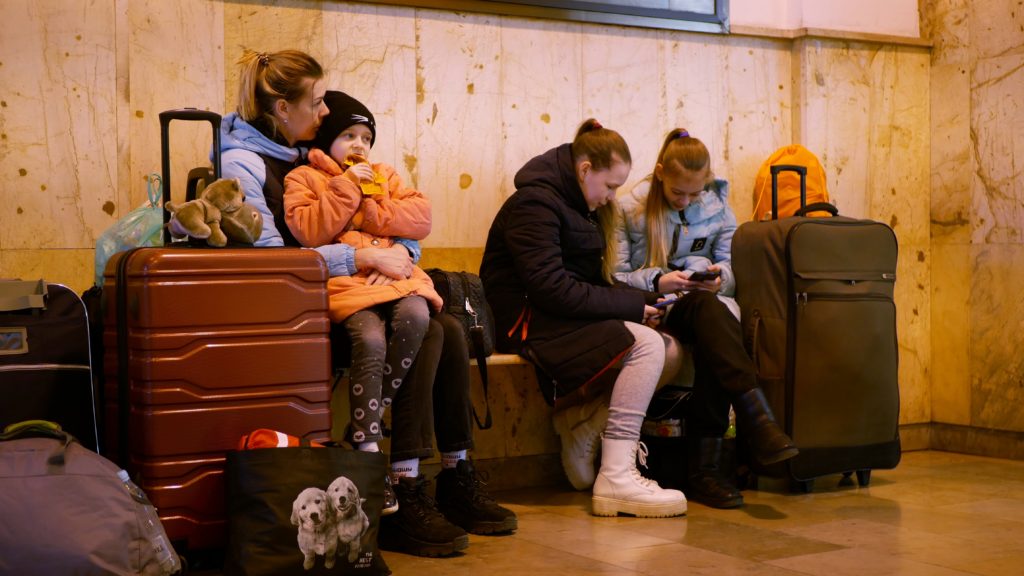
Despite these initiatives, many migrant children still struggle to access the services they need. Legal protections frequently fall short, and broader discussions on immigration policy often overlook the rights of these children. Therefore, both the government and civil society must remain strongly committed to ensuring that these children are fully included and protected in Czech society (Awen Amenca z.s, 2025).
Mental health
Czechia is striving to improve the mental health of children and young people. A significant part of the effort involves transforming psychiatric care to include teams of healthcare, social, and education professionals who can provide help in clinics and local communities. Special mental health centres for children and adolescents have been established in cities such as Prague, Beroun, and Ostrava. However, the availability of mental health services and inpatient beds for young people requiring intensive care is still insufficient.
Several initiatives have been launched to raise awareness and reduce stigma. The website dusevnizdravi.edu.cz provides resources for schools to support students’ mental well-being, while apps such as Nepanikař offer free psychological assistance. Young people actively participate in roundtables and youth panels addressing issues such as family problems and mental health. In response to the COVID-19 pandemic and the arrival of children from Ukraine, new support groups and educational materials have also been introduced (European Commission, 2025b).
Despite these efforts, mental health issues and childhood obesity continue to rise in Czechia. This rise is often linked to anxiety, depression, and social exclusion. Limited access to care – especially in marginalised and rural areas – along with long waiting times and a lack of specialists, leaves many vulnerable children without timely support (Eisenchteter, 2024).
Written by Or Salama
Last updated on 27 June 2025
References:
Albert, G. (2024, October 3). European Commission warns Czechia: End the discrimination of Romani children in the schools. Retrieved from Romea.cz at https://romea.cz/en/world/european-commission-warns-czechia-end-the-discrimination-of-romani-children-in-the-schools/, accessed on May 4, 2025.
Albert, G. (2025, January 24). European Committee of Social Rights criticizes the Czech Republic over systemic discrimination against Roma in housing. Retrieved from Romea.cz at https://romea.cz/en/world/european-committee-of-social-rights-criticizes-the-czech-republic-over-systemic-discrimination-against-roma-in-housing, accessed on June 25, 2025.
Awen Amenca z.s. (2025, April). Fundamental rights violations in EU funds, Czechia. Retrieved from Validity Foundation & European Network for Independent Living at https://validity.ngo/wp-content/uploads/2025/05/FURI-Czech-Report_EN.pdf, accessed on April 20, 2025.
Bertelsmann Stiftung. (2024). Czechia. Retrieved from SGI Network at https://www.sgi-network.org/2024/Czechia/Social_Sustainability, accessed on April 17, 2025.
Brno Daily. (2025a, January 22). Czech Republic to appoint first Children’s Ombudsman by July. Retrieved from Brno Daily at https://brnodaily.com/2025/01/22/news/czech-republic-to-appoint-first-childrens-ombudsman-by-july/, accessed on April 19, 2025.
Brno Daily. (2025b, January 3). Infant homes for children under three years cease operation in the Czech Republic. Retrieved from Brno Daily at https://brnodaily.com/2025/01/03/news/infant-homes-for-children-under-three-years-cease-operation-in-the-czech-republic/, accessed on April 21, 2025.
Brno Daily. (2025c, February 21). Number of child violent offenders on the rise in Czech Republic, say police. Retrieved from Brno Daily at https://brnodaily.com/2025/02/21/news/number-of-child-violent-offenders-on-the-rise-in-czech-republic-say-police/, accessed on June 24, 2025.
Council of Europe. (2023, September 26). Czech Republic: systemic change needed to address long-standing human rights issues for Roma and persons with disabilities. Retrieved from the Council of Europe at https://www.coe.int/en/web/commissioner/-/czech-republic-systemic-change-needed-to-address-long-standing-human-rights-issues-for-roma-and-persons-with-disabilities, accessed on April 21, 2025.
Council of Europe. (2024a, October). Czechia urged to step up efforts to prevent human trafficking for labour exploitation. Retrieved from Council of Europe at https://www.coe.int/en/web/portal/-/czechia-urged-to-step-up-efforts-to-prevent-human-trafficking-for-labour-exploitation, accessed on April 21, 2025.
Council of Europe. (2024b, October). GRETA publishes its second report on Czechia. Retrieved from Council of Europe at https://www.coe.int/en/web/anti-human-trafficking/-/greta-publishes-its-second-report-on-czechia, accessed on April 21, 2025.
Directorate-General for Migration and Home Affairs. (2025, February 19). Czechia: Adaptation of students from Ukraine. Retrieved from the European Commission at https://home-affairs.ec.europa.eu/news/czechia-adaptation-students-ukraine-2025-02-19_en, accessed on June 26, 2025.
EAPN Czechia. (2023). Poverty Watch 2023 – Czechia. Retrieved from European Anti-Poverty Network at https://www.eapn.eu/wp-content/uploads/2023/11/eapn-EAPN-CZ-English-version-2023-PW-5871.pdf, accessed on June 13, 2025.
Eisenchteter, J. (2024, May 21). Obesity in Czechia: Tipping the scales of the debate. Retrieved from Balkan Insight at https://balkaninsight.com/2024/05/21/obesity-in-czechia-tipping-the-scales-of-the-debate/, accessed on June 22, 2025.
Eurochild. (2023, January 16). Czechia’s Child Guarantee National Action Plan: An overview. Retrieved from Eurochild at https://eurochild.org/resource/czechias-child-guarantee-national-action-plan-an-overview/, accessed on April 28, 2025.
Eurochild. (2025, February 4). Eurochild welcomes progress in children’s rights in Czechia. Retrieved from Eurochild at https://eurochild.org/news/eurochild-welcomes-progress-in-childrens-rights-in-czechia/, accessed on April 29, 2025.
Euronews. (2025, June 10). Where are children more vulnerable to poverty in the EU? Retrieved from Euronews at https://www.euronews.com/my-europe/2025/06/10/where-are-children-more-vulnerable-to-poverty-in-the-eu, accessed on June 24, 2025.
European Association of Service Providers for Persons with Disabilities (EASPD). (2024). Support to children with disabilities within the National Action Plan for the implementation of the EU Child Guarantee: Country Fact Sheet – Czech Republic. Retrieved from EASPD at https://easpd.eu/fileadmin/user_upload/Publications/CZ_Factsheet_Final.pdf, accessed on April 27, 2025.
European Commission. (2025a, March 31). 5.10 Current debates and reforms. Retrieved from Youth Wiki: Czechia at https://national-policies.eacea.ec.europa.eu/youthwiki/chapters/czechia/510-current-debates-and-reforms, accessed on June 21, 2025.
European Commission. (2025b, March 31). 7.5 Mental health – Czechia. Retrieved from YouthWiki at https://national-policies.eacea.ec.europa.eu/youthwiki/chapters/czechia/75-mental-health, accessed on June 24, 2025.
European Roma Rights Centre. (2024, May 29). Czech Republic’s failure to collect data on Romani children in state care ruled a violation of European Social Charter. Retrieved from ERRC at https://www.errc.org/press-releases/czech-republics-failure-to-collect-data-on-romani-children-in-state-care-ruled-a-violation-of-european-social-charter, accessed on June 25, 2025.
Eurostat. (2025, May 28). 24% of EU children at poverty risk or social exclusion. Retrieved from Eurostat at https://ec.europa.eu/eurostat/web/products-eurostat-news/w/ddn-20250528-1, accessed on June 24, 2025.
Eurydice. (2024a, December 4). Czechia: Overview. Retrieved from European Commission at https://eurydice.eacea.ec.europa.eu/eurypedia/czechia/overview, accessed on June 24, 2025.
Eurydice. (2024b). Funding in education: Czechia. Retrieved from European Commission at https://eurydice.eacea.ec.europa.eu/eurypedia/czechia/funding-education, accessed on June 24, 2025.
Eurydice. (2025a). Organisation of the education system and of its structure: Czechia. Retrieved from European Commission at https://eurydice.eacea.ec.europa.eu/eurypedia/czechia/organisation-education-system-and-its-structure, accessed on June 24, 2025.
Eurydice. (2025b). Organisation of upper secondary education: Czechia. Retrieved from European Commission at https://eurydice.eacea.ec.europa.eu/eurypedia/czechia/organisation-upper-secondary-education, accessed on June 24, 2025.
Expats.cz. (2023, November 1). Weak legislation leaves children in Czechia vulnerable to physical abuse. Retrieved from Expats.cz at https://www.expats.cz/czech-news/article/fifth-of-children-are-victims-witnesses-to-domestic-violence, accessed on June 26, 2025.
Ministry of Labour and Social Affairs. (2022, November 16). The Action Plan for Implementing the Child Guarantee for the 2022–2030 Period. Retrieved from the Ministry of Labour and Social Affairs at https://www.mpsv.cz/cms/documents/eee909e1-deb2-9766-5980-6f06069a9376/Ak%C4%8Dn%C3%AD%20pl%C3%A1n_en.pdf, accessed on April 15, 2025.
Office of the United Nations High Commissioner for Human Rights (OHCHR). (2021, September 7). Experts of the Committee on the Rights of the Child discuss obstacles to legal reform with the Czech Republic. Retrieved from OHCHR at https://www.ohchr.org/en/press-releases/2021/09/experts-committee-rights-child-discuss-obstacles-legal-reform-czech-republic, accessed on June 25, 2025.
Radio Prague International. (2024, November 26). Infant care centres to close in January, but are the alternatives ready? Retrieved from Czech Radio at https://english.radio.cz/infant-care-centres-close-january-are-alternatives-ready-8835712, accessed on May 5, 2025.
Radio Prague International. (2025a, February 28). Czechia will get its first Children’s Ombudsman. Retrieved from Czech Radio at https://english.radio.cz/czechia-will-get-its-first-childrens-ombudsman-8844204, accessed on May 5, 2025.
Radio Prague International. (2025b, February 21). Alarming increase in violent attacks by minors in Czechia – what could be to blame? Retrieved from Radio Prague International at https://english.radio.cz/alarming-increase-violent-attacks-minors-czechia-what-could-be-blame-8843507, accessed on June 24, 2025.
Ryšavý, Z., & Albert, G. (2023, June 1). Romani children still segregated in the Czech schools and more frequently assigned to “special needs” classes than ever before. Retrieved from Romea.cz at https://romea.cz/en/czech-republic/romani-children-still-segregated-in-the-czech-schools-and-more-frequently-assigned-to-special-needs-classes-than-ever-before, accessed on June 24, 2025.
Stöckelová, T., Sokačová, L., & Szénássy, E. (2023). Mapping child protection systems in the EU (27): Czechia. Retrieved from the European Union Agency for Fundamental Rights at https://fra.europa.eu/sites/default/files/fra_uploads/cz_-_report_-_mapping_child_protection_systems_-_2023.pdf, accessed on May 5, 2025.
Trading Economics. (2025a). Czech Republic – Formal child care: Less than 3 years – no formal childcare. Retrieved from Eurostat data at https://tradingeconomics.com/czech-republic/formal-child-care-less-than-3-years-no-formal-childcare-eurostat-data.html, accessed on May 5, 2025.
Trading Economics. (2025b, May). Czech Republic – At risk of poverty rate: Less than 18 years. Retrieved from Eurostat data at https://tradingeconomics.com/czech-republic/at-risk-of-poverty-rate-less-than-18-years-eurostat-data.html, accessed on May 5, 2025.
UNICEF. (2024, October). Enhancing primary health care services for children and adolescents in the Czech Republic. Retrieved from UNICEF at https://www.unicef.org/eca/media/39506/file/CostingStudy_ENG.pdf.pdf, accessed on May 5, 2025.
UNICEF. (2025a, June 4). Czechia introduces new framework to monitor the quality and accessibility of early childhood education and care. Retrieved from UNICEF at https://www.unicef.org/eca/press-releases/czechia-introduces-new-framework-monitor-quality-and-accessibility-early-childhood, accessed on June 24, 2025.
UNICEF. (2025b, January 24). Czechia’s separate primary school enrollment process for refugees puts children at risk of exclusion. Retrieved from UNICEF at https://www.unicef.org/eca/press-releases/czechias-separate-primary-school-enrollment-process-refugees-puts-children-risk, accessed on May 5, 2025.
U.S. Department of State. (2024a). 2023 Country Reports on Human Rights Practices: Czech Republic. Retrieved from the United States Government at https://www.state.gov/reports/2023-country-reports-on-human-rights-practices/czech-republic/, accessed on June 24, 2025.
U.S. Department of State. (2024b). Trafficking in Persons Report: Czech Republic. Retrieved from the United States Government at https://www.state.gov/reports/2024-trafficking-in-persons-report/czech-republic/, accessed on May 4, 2025.
[1] This article by no means purports to give a full or representative account of children’s rights in the Czech Republic; indeed, one of many challenges is the scant updated information on children in the Czech Republic, much of which is unreliable, not representative, outdated, or simply non-existent.